How to use a menstrual cup after giving birth




Article content
More and more women are using menstrual cups. I don’t think it’s a passing trend; it’s here to stay. The main advantages are hygiene, comfort, the money it saves and the fact that it’s a sustainable, environmentally friendly option.

Many patients ask me whether they can use one after giving birth or after a cesarean, so I’ve written this article to answer all your questions about using a menstrual cup after giving birth.
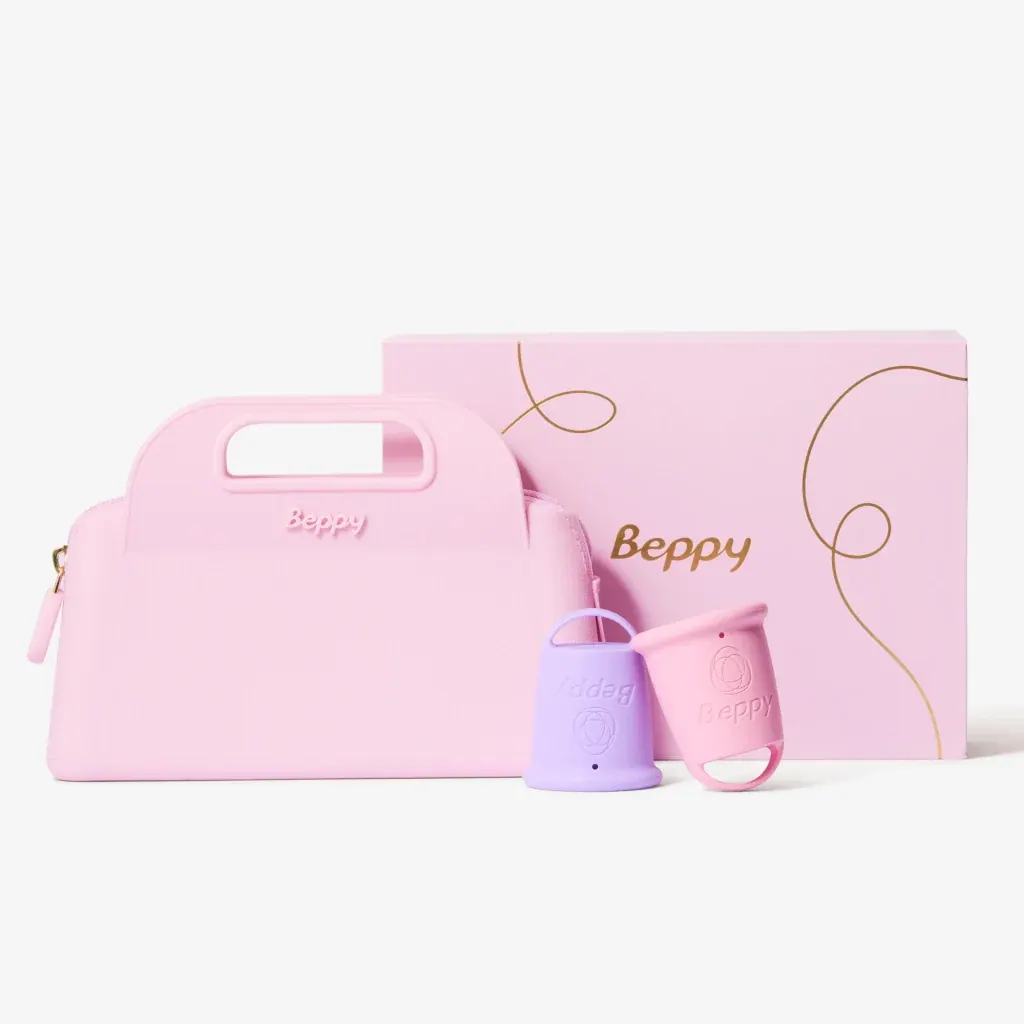
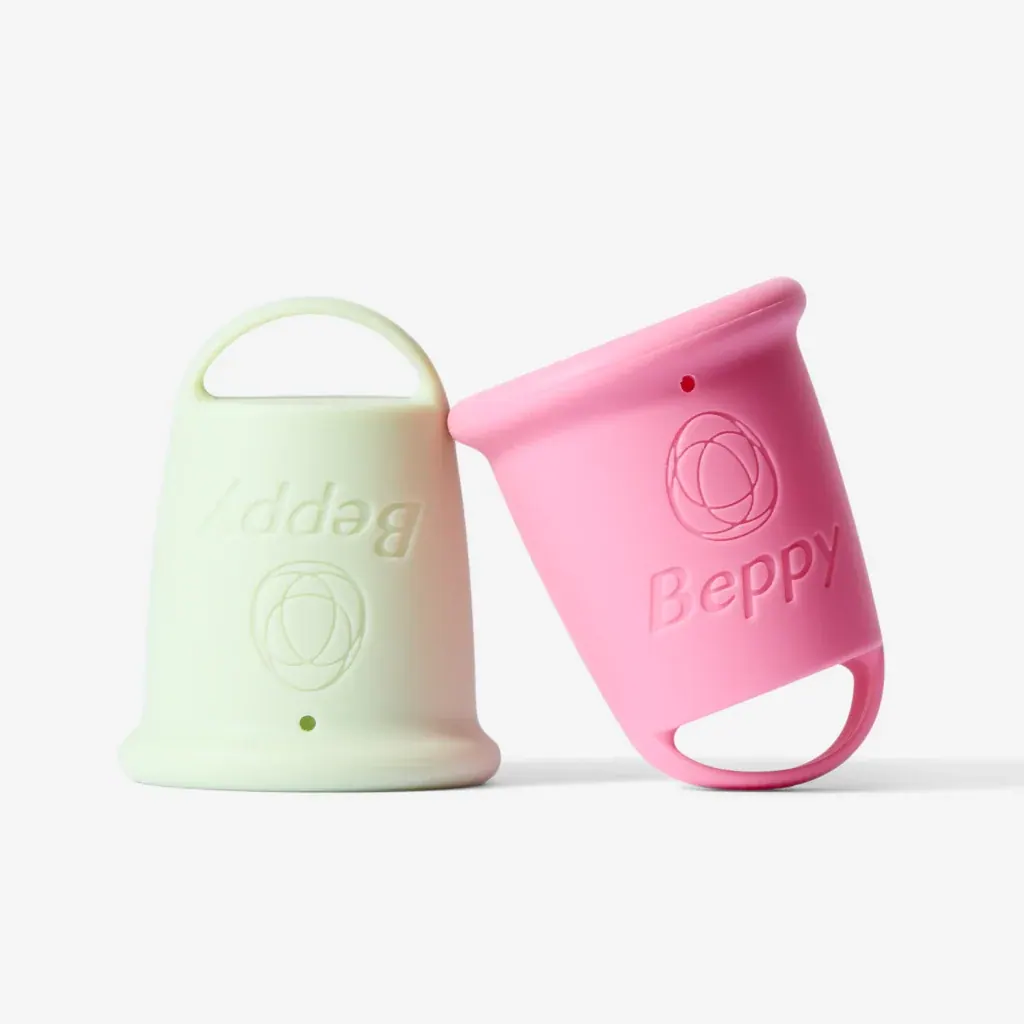
And in case you’re interested, this is the one I use and recommend most to my patients: Beppy Cup.
What’s the connection between the menstrual cup and the pelvic floor?
We know that the menstrual cup is inserted into the vaginal canal, where it collects and holds blood for several hours. Women with moderate or light periods can wear the cup for up to 12 hours in a row. Women who usually have very heavy periods empty their cups once or at most twice a day. This makes this wonderful invention very convenient to use and lets you live normally during your period.
Success doesn’t depend only on inserting the cup correctly, but also on the condition of the vaginal canal and the pelvic floor. In other words, the content (the cup) must fit its container (the vagina). If this rule isn’t met, we’ll most likely have leaks and stain our underwear.
A weakened pelvic floor makes the vaginal canal laxer (more open). The vaginal walls are weaker and don’t ‘hold’ the menstrual cup. The suction needed to keep the cup from moving and slipping down is practically impossible. After a vaginal birth, a weakened pelvic floor and stretched vaginal walls are common. Before you start using a menstrual cup, you need to strengthen your pelvic floor muscles so you can use it successfully.
Many women feel pain when they go back to using a menstrual cup after a vaginal birth. If we had an episiotomy or a perineal tear during birth and the scar is painful, inserting and wearing the cup can be uncomfortable. All perineal scars (even if they don’t cause problems) should be assessed and treated before using a menstrual cup.
Some patients say that after pregnancy and birth they can’t insert the cup all the way into the vaginal canal. It’s common to hear comments like ‘I feel a stop or a wall that keeps me from putting the cup in properly’. When the pelvic floor muscles weaken during pregnancy and genital prolapse appears postpartum, it’s hard to place the menstrual cup high in the vagina. After wearing it for a short while, we feel it slipping down and immediately want to take it out. And if we pull too hard when taking it out, we can make the prolapse worse.
Sometimes it’s simply impossible to insert the cup into the vaginal canal. Some women feel that the vaginal canal is narrower and feel pain when trying to insert the cup. This often happens after cesareans, since a narrowing of the vaginal canal or increased perineal tension is related to abdominal scars. Scars (external and internal) that are stiff, restricted, sunken or inflamed cause vaginal pain. Before going back to the menstrual cup, let’s check our scar and abdomen.
How should I insert the menstrual cup correctly so as not to harm my pelvic floor?
The first few times you use a menstrual cup after giving birth may feel a little uncomfortable. The most important thing is first to have your pelvic floor assessed by a specialist physiotherapist and, if needed, get the right treatment. She’ll also advise you on which menstrual cup size is best after giving birth. The perineum, vaginal canal and pelvic floor need to be in perfect condition so that putting in the cup doesn’t hurt. Here’s how to use it correctly:
1. Sterilize your menstrual cup before using it. Bring water to a boil in a saucepan and put the cup in for about 4–5 minutes.
2. Wash your hands with soap and water, and then wash your perineum with water only.
3. Find a comfortable position to insert the cup. We recommend squatting, as it helps relax the pelvic floor and makes it easier to insert the cup.
4. Fold the cup into a flower shape. Place your index finger on the rim of the cup and press it inward and downward.
5. Then bring the edges together, reducing the diameter of the cup. It will now look like a tampon.
6. Insert the cup into your vagina. Place it high enough that the tip of the cup is level with the inner labia. In other words, the whole cup should be completely inside the vaginal canal.
7. Stand up and move so the cup opens. Walk around a little and do a couple of squats until you hear a ‘click’. That’s when your cup has sealed against the vaginal walls.
You can wear it all day, and you can even go to your Pilates or hypopressive class with it. The cup is made of medical-grade silicone, completely flexible and comfortable to wear.
How do you remove a menstrual cup without harming the pelvic floor?
In reality, taking the menstrual cup out is a bit trickier than putting it in. Remember that after giving birth the vaginal canal and pelvic floor may be more sensitive and feel different. So take your time.
Get into a comfortable position and relax your pelvic floor muscles. Ideally, sit on the toilet, so you can empty the cup straight into it without the risk of staining your clothes or the floor. Insert your thumb and index finger until you find the cup. Gently squeeze the cup to release the suction. Then, little by little, take the cup out with ‘zigzag’ movements until it’s completely removed. It’s important to remove it with slow, diagonal movements, pulling from top to bottom, so as not to harm the pelvic floor.
If you have any questions about the health of your pelvic floor, don’t hesitate to book an appointment with me. I’ll be happy to help!


Recover after giving birth in Valencia
We see how you’re doing and support you at your own pace with postpartum physiotherapy, whether you had a vaginal birth or a cesarean. Can’t come to Valencia? We also see patients in an online consultation.