




Physiotherapy for vulval varicose veins in pregnancy in Valencia
Vulval varicose veins are more frightening than people let on. We explain what is happening and give you exercise and guidelines adapted to your pregnancy so you feel more comfortable.
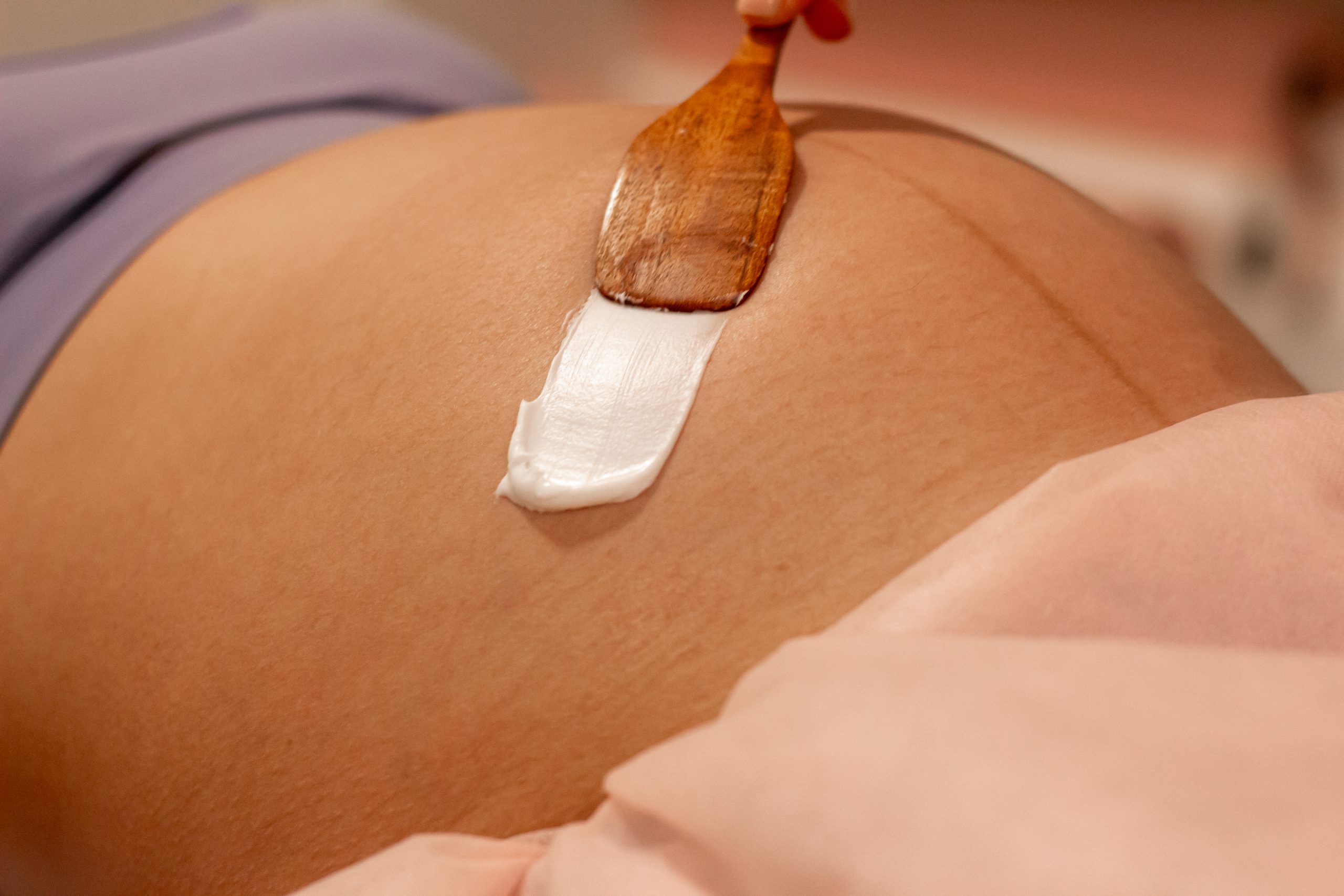



Article content
Vulval varicose veins in pregnancy
Noticing a swollen vulva or a dilated vein during pregnancy is alarming, and often nobody has told you about it. Take a breath: it’s something we know well and there are things you can do to feel better.
Heavy legs, pressure in the calves or varicose veins are common complaints during pregnancy. Varicose veins don’t only appear on the legs; they can also appear in the genital area. In pregnancy it’s common for one of the labia majora to change shape and for vulval varicose veins to appear, and perhaps because of a lack of information they tend to be more frightening than those on the legs.
How to tell if you have vulval varicose veins
Most appear during pregnancy and are uncommon outside it. They usually look similar in all women:
- Purple or violet lumps on the vulva.
- Dilated, visible veins on the labia majora, often on just one side.
- Swelling of the vulva and redness of the perineum.
- Pain on touch and hypersensitivity of the vulva.
- A burning or hot feeling in the perineum.
- Discomfort when sitting for a long time or during sex.
If you notice anything like this, mention it to your midwife or gynecologist so they can assess it.

Why they appear
The main cause is venous insufficiency in the pelvic area, together with the pressure the baby puts on the venous plexuses of the pelvis. During pregnancy the volume of blood circulating in the vessels increases and progesterone makes it flow more slowly. All of this encourages varicose veins in the lower body, whether hemorrhoids, vulval varicose veins or varicose veins in the legs.
They are more likely if you are prone to varicose veins or have a family history, and in later pregnancies they may appear earlier and be more pronounced.
What happens after the birth
In many women vulval varicose veins start to shrink in the first few days after giving birth and disappear over the following months without specific treatment. In some cases they persist; if so, talk to your gynecologist.

“Pelvic floor contractions can help boost circulation in the vulval area”

How we treat vulval varicose veins
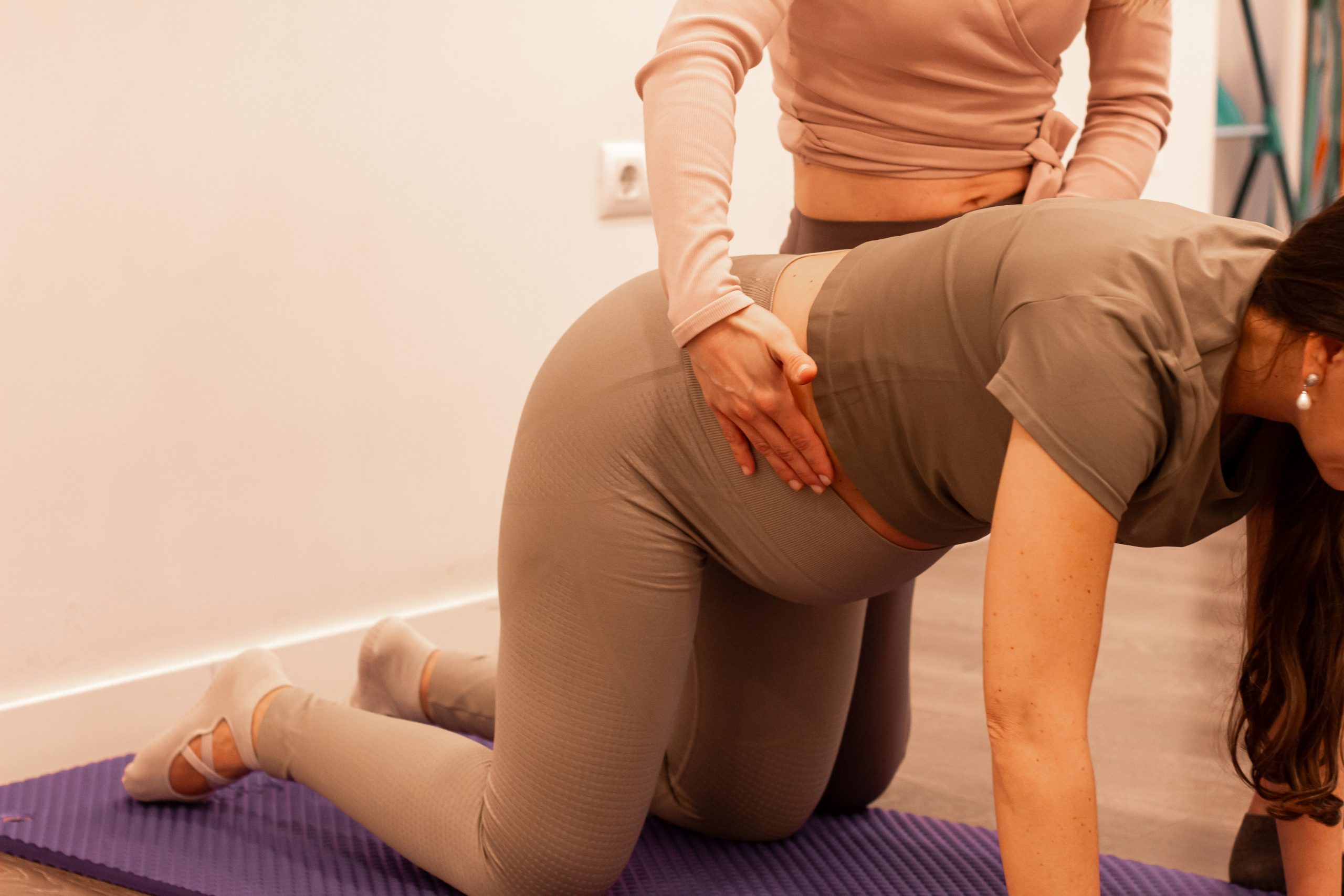
We review your symptoms, your week of pregnancy and the condition of your pelvic floor to adapt the exercises and guidelines to where you are.
Lying on your back, you raise your hips and do slow pelvic floor contractions as you breathe out, holding each one for a few seconds. Then you lower your spine one vertebra at a time.
With your arms resting on the Pilates ball and your hips above your knees, you do sets of quick contractions as you breathe out and rest between sets.
Lying on your back, you bring your knees to your chest, keeping them apart to make room for your bump, and do slow, sustained pelvic floor contractions.
We teach you to rest on your left side and with your legs raised, and we review your sitting posture and other everyday habits that affect circulation.
Article content
Habits that help your circulation
If you have poor circulation or are prone to varicose veins, it’s a good idea to look after your diet, posture and physical activity from the start of your pregnancy. These are the guidelines we usually recommend:
- Cut down on processed and sugary foods, white flour and too much coffee.
- Drink water throughout the day and eat vegetables daily, especially leafy greens.
- Exercise regularly, adapted to your pregnancy.
- Practice your pelvic floor exercises.
- Don’t sit for long periods on hard surfaces; a Pilates ball can be used as a seat.
- Avoid very tight underwear.
- Try to go to the bathroom every day so constipation doesn’t build up.
To ease the discomfort
Applying cold to the perineal area, resting on your left side and lying with your legs raised for 20 to 30 minutes a day are simple measures that many women find helpful. Ask your midwife or gynecologist whether compression garments are advisable in your case.
When to see your doctor
If you have intense pain in the area of the varicose veins, redness, swelling around the vein or fever, see your gynecologist or go to the ER without waiting for your next session. Physiotherapy supports your pregnancy care; it doesn’t replace it.


What do we work on in physiotherapy for vulval varicose veins?
Vulval varicose veins in pregnancy are caused by changes in pelvic circulation, and pelvic floor physiotherapy can help you cope better with the discomfort while your pregnancy lasts.
Practicing Kegel exercises in positions with the pelvis slightly raised lets the perineum work without loading the area, and muscle contractions can help boost circulation in the vessels of the vulva. We combine this with resting positions, postural care and lifestyle guidelines.
Everything is adapted to your week of pregnancy and how you feel, and coordinated with your midwife and gynecologist. You take the guidelines home in writing so you can follow them between sessions.
Pelvic floor exercises in positions that take the load off the pelvis.
Lifestyle and posture guidelines for your daily life.
Resting positions to ease the feeling of heaviness and pressure.
A plan adapted to each trimester and your symptoms.



Your journey at the clinic starts like this
STEP 1.
Initial assessment
All patients start with an initial one-to-one session.
- We analyze your case in depth.
- We carry out the necessary examination.
- We explain what is happening and why.
- We design a personalized treatment plan.
- All with no further commitment.
STEP 2.
STEP 3.
Follow-up and progress
Your process doesn’t end after one session. It evolves with you.
- We regularly reassess your progress.
- We adjust the plan when necessary.
- You can combine one-to-one and group sessions depending on your progress.


Frequently asked questions
If you’re asking yourself these questions, you’re not the only one. Here we answer them clearly.
In many women they shrink from the first few days after the birth and disappear over the following months without specific treatment. In some cases they persist, and then it’s best to have them assessed by your gynecologist.
How you give birth is decided by your obstetric team according to your case. Tell them you have vulval varicose veins so they can take it into account in your care.
Generally yes, adapted to your pregnancy and unless your medical team tells you otherwise. Pelvic floor exercises in positions with the pelvis raised are part of the guidelines we work on in clinic.
If you notice intense pain in the area, redness, swelling around the vein or fever, see your gynecologist or go to the ER. These are signs a doctor needs to assess.
We start with a physiotherapy assessment and teach you pelvic floor exercises, resting positions and lifestyle guidelines adapted to your week of pregnancy, so you can also follow them at home.