
How episiotomy affects the pelvic floor, and in which births it is recommended



Article content
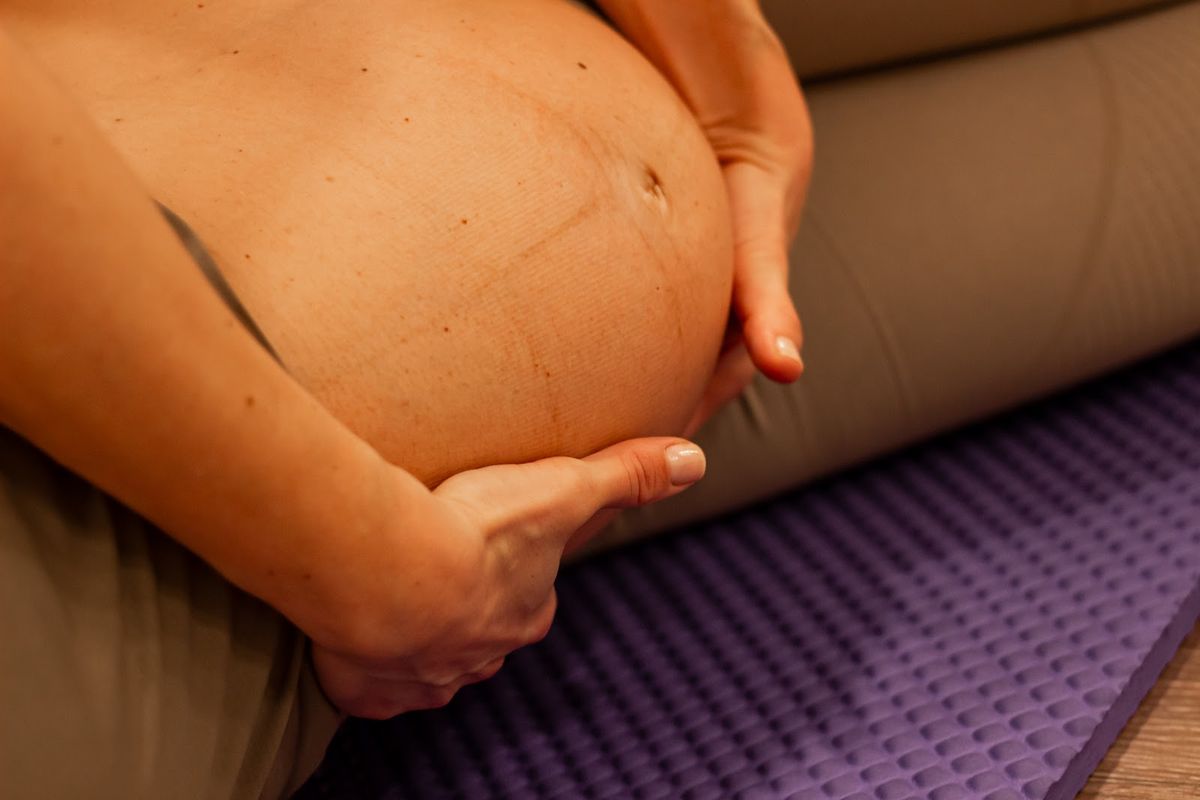
Vaginal birth is the most common way women bring their children into the world, and statistically it is a natural, physiological process that usually goes ahead without major complications. Women receive medical follow-up during pregnancy that allows serious risks, if any, to be anticipated and prevented. In any case, we need to be prepared for things that can happen during labor, to which the medical team will react and guide us. In this article we look at the most common situations that could lead to an episiotomy (a vaginal cut): uterine bleeding, an increased fetal heart rate, the cord around the baby’s neck, or the baby’s head not engaging properly.
If any of these situations arises during a vaginal birth, there’s a good chance the obstetrician will have to perform an episiotomy to help the pushing stage. This cut is made to shorten the last active stage of labor, and it’s different from “routine” episiotomy, which should indeed be avoided. After the stitches, the patient needs to care for the wound so it heals as quickly as possible and then rehabilitate her pelvic floor.
What is an episiotomy and when is it done?
Modern obstetrics is moving toward protecting the mother’s perineum. It has been shown that routine episiotomies, performed for many years and still part of the birth protocols of many hospitals in Spain, are not advisable on the “excuse” of prevention, and there is no scientific evidence that the cut protects the pelvic floor during the pushing stage.
However, the medical team may recommend an episiotomy during labor, and it may be advisable, in cases of:
- Shoulder dystocia (when the baby’s shoulder is stuck behind the mother’s pubic bone).
- Abnormal fetal heart rate.
- Forceps delivery.
- A prolonged pushing stage of more than 2 hours.
- Risk of a fourth-degree tear.
There are two types of episiotomy: median and mediolateral. A cut along the midline (vertically) is easy to repair but risks extending toward the anus. A mediolateral cut prevents anal injuries, but its repair is usually slower and more painful because branches of the pudendal nerve are nearby.
How does an episiotomy affect the pelvic floor?
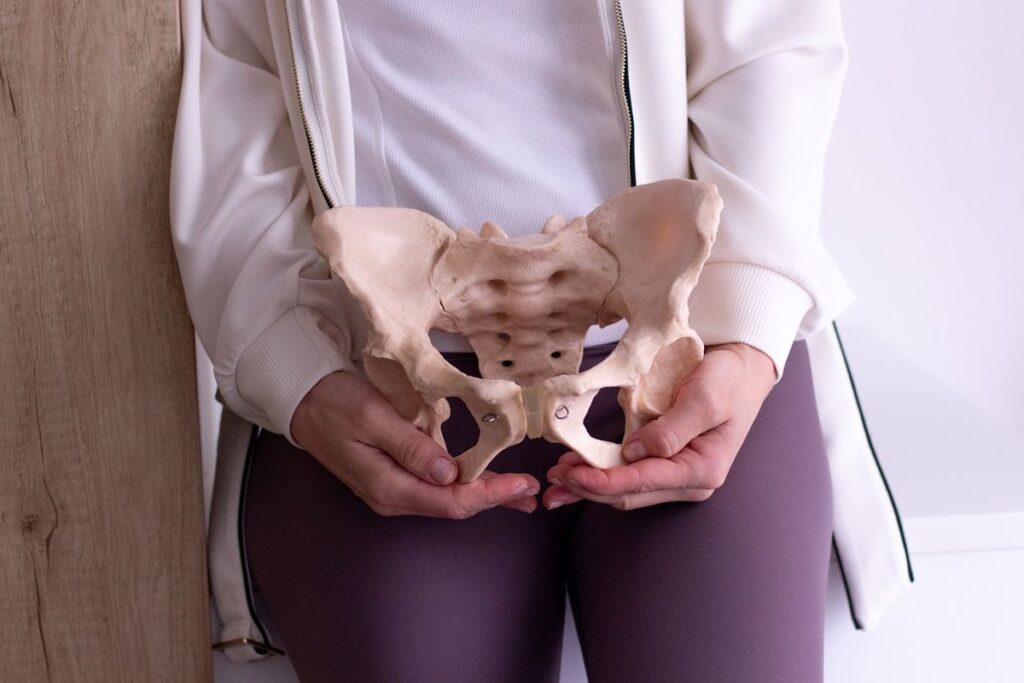
The cut made during labor damages the pelvic floor muscles in 80% of cases. Stitching the episiotomy, and the scar that then forms, change the tension of the pelvic floor. In most patients, reduced muscle tone is seen in the affected area and, in more severe cases, a temporary loss of muscle activity.
Scars in themselves mean the muscle needs re-education and strengthening so it can work properly. The most common effects on the pelvic floor after an episiotomy are:
- Reduced muscle strength in the perineum.
- Pain during sex (dyspareunia).
- Muscle asymmetry in the perineum.
- Adhesions and keloids in the scar.
- A higher rate of prolapse after median episiotomies.
How to treat vaginal pain after an episiotomy

The perineum, vaginal canal and pelvic floor have a lot of nerves, so they are very sensitive. Any wound or scar can cause very intense pain. Vaginal pain affects most women who have had an episiotomy during birth.
In postpartum recovery, the goal is to make the perineal scar more flexible and keep the vagina well lubricated. After births involving a cut, it’s essential to assess the pelvic floor before starting any exercise.
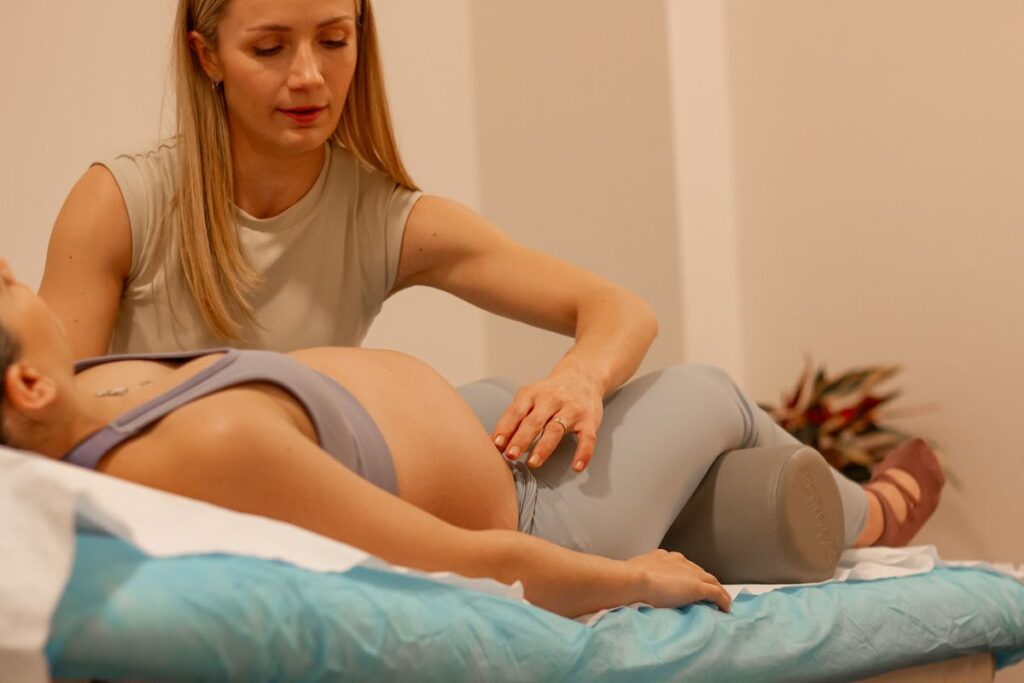
The right time for a session with a pelvic floor specialist physiotherapist is after 4 weeks. The patient receives specific guidelines and exercises to regain muscle tone and care for the scar.
To prevent or treat vaginal pain after an episiotomy, we recommend:
- A month after giving birth, stretch the episiotomy scar by hand 3 times a week.
- Moisturize the perineum daily, especially the scar area, with natural lubricants (for example, 100% natural rosehip oil or hyaluronic acid).
- Eat a balanced diet and drink 2 liters of water a day to prevent constipation.
- Wait to have sex until perineal massage no longer hurts.
- Do Kegel exercises every day to strengthen your pelvic floor.
Which exercises can I do after an episiotomy?

After the pelvic floor assessment, you can start postpartum recovery exercises. If you’ve had a cut, you’ll need to do Kegel exercises with vaginal biofeedback. The vaginal probe picks up the electrical activity of the perineal muscles and the patient can see her contractions on screen. This re-educates and strengthens the muscles very effectively. In some cases, electrical stimulation is needed in the same treatment to activate the muscles and improve their contraction.
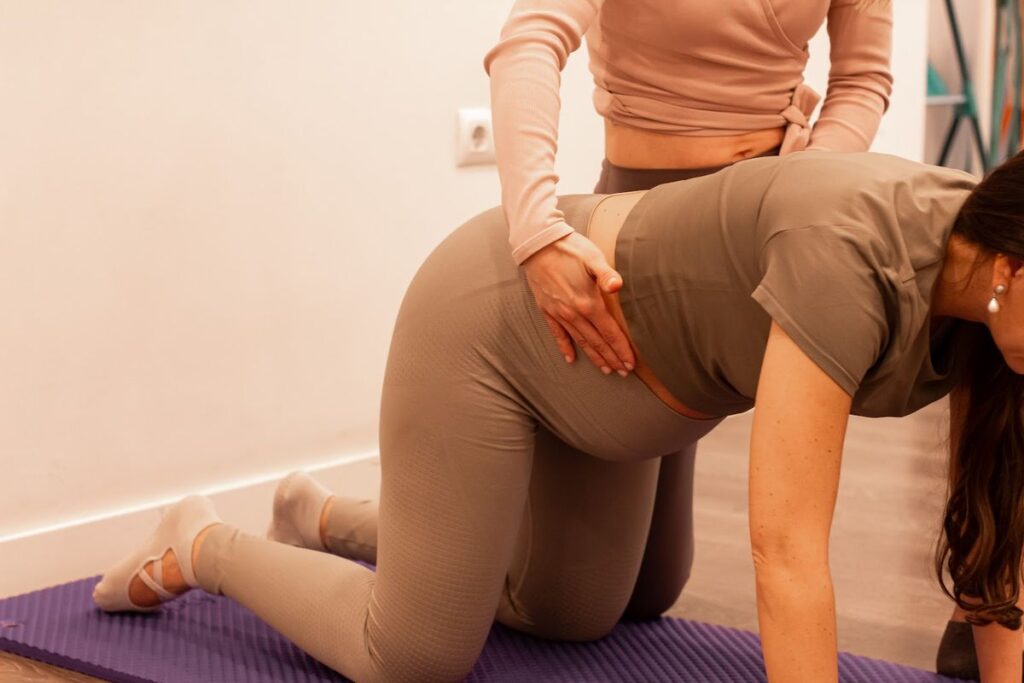
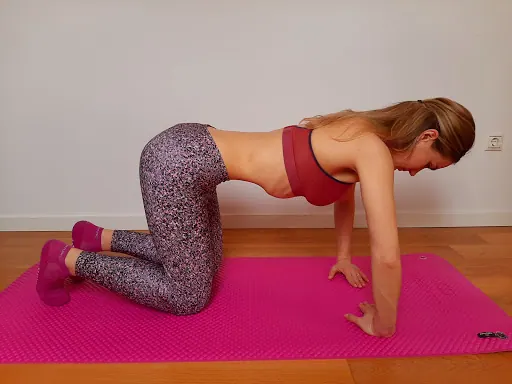
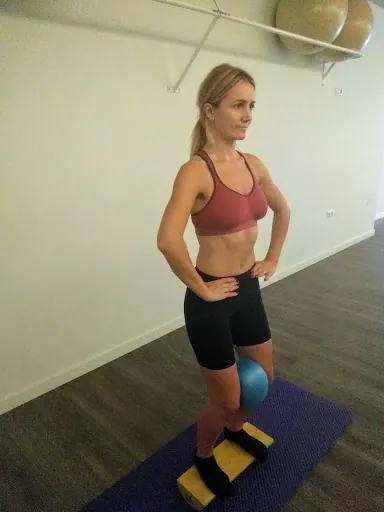
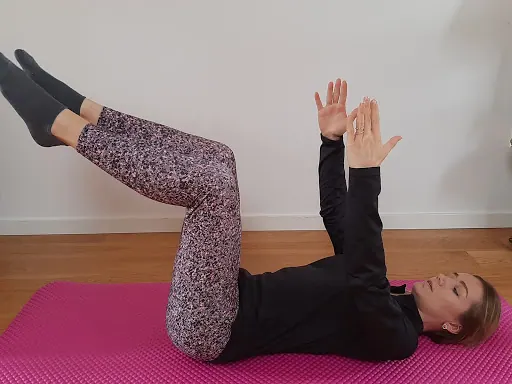
Exercises focused on postural correction, toning the deep abdominal muscles and working on unstable surfaces are also started. Here are some examples:
- Kegel exercises in inverted positions (on all fours, lying face down)
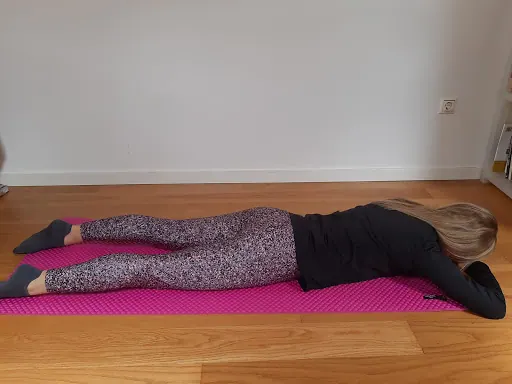
- Kegel exercises in movement (for example, while doing squats).
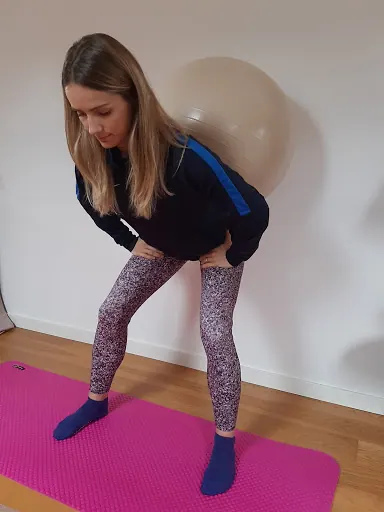
- Hypopressive abdominal training.
- Exercises on the proprioception board.
- Low-impact functional exercises.
If you’ve had an episiotomy, get in touch with us and we’ll advise you on the most suitable recovery.


Recover after your episiotomy in Valencia
We explain every step and go at your pace with physiotherapy after an episiotomy or tear. Can’t come to Valencia? We also see patients in an online consultation.