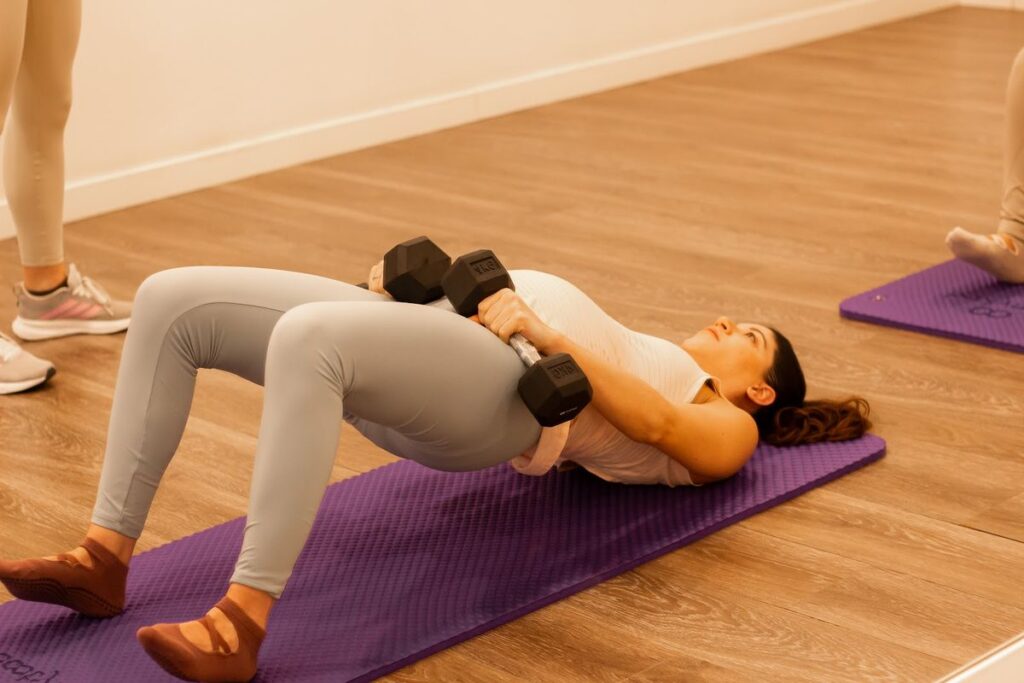

All about uterine prolapse: what it is, symptoms, causes and treatments



Article content
Millions of women around the world are affected by a urogynecological dysfunction that, paradoxically, is still little known today: uterine prolapse.
New cases of uterine prolapse are diagnosed every day in gynecology clinics, at least five women a day. But many still don’t know what it is, why it happens and how to treat it.
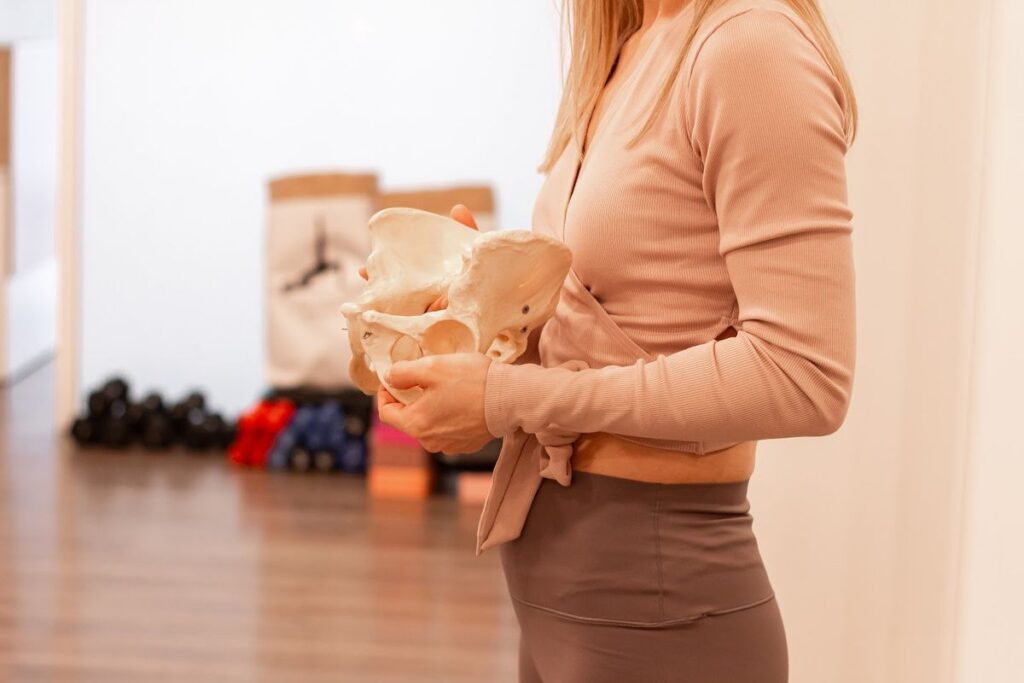
In this article we want to give visibility to a “silent” condition so that, together, we can get better at preventing it, and also to talk about that “hammock,” our pelvic floor, which supports all the pelvic muscles.
What is a uterine prolapse?
A prolapsed or “dropped” uterus is a downward displacement of the uterus. The organ gradually descends from the pelvic cavity into the vaginal canal. First the cervix appears, and then the body of the uterus. In more advanced stages, it descends outside the vagina.
Vaginal vault prolapse is also quite common. The vault is the area at the very top of the vagina. It can descend, causing the vagina to turn inside out.
Other pelvic organs can also descend and cause a prolapse: cystocele (bladder), rectocele (rectum) and enterocele (loops of bowel).
What are the symptoms of uterine prolapse?
- A feeling of heaviness in the pelvis.
- A feeling of a bulge or weight in the vagina.
- Pain during sex.
- Lower back pain.
What causes uterine prolapse?
Uterine prolapse usually has more than one cause. To determine the origin of the dysfunction, we need to take the patient’s personal and medical history. We pay close attention to her lifestyle, diet, and the sports she does or has done in the past… It isn’t always a direct result of pregnancy.
Her obstetric history should also be reviewed, such as the number of vaginal births, cesareans and miscarriages… as vaginal birth is usually one of the most important factors in causing uterine prolapse.
The most common causes of uterine prolapse
The most common causes are:
- Weakness of the pelvic floor muscles, fascia and ligaments: the uterus is supported by the connective tissues and muscles of the pelvis. When these structures weaken, the uterus drops into the vaginal canal. The main causes of this weakening are long or complicated vaginal births, large babies and instrumental deliveries.
- Menopause: falling estrogen levels cause relaxation, loss of muscle tone and weakening of the pelvic muscles.
- Pelvic tumors
- Obesity
- Chronic constipation: linked to frequent straining, which causes the uterus to drop and weakens the ligaments that support it.
- High-impact sports: especially postpartum, when the pelvic floor hasn’t yet recovered and the mother takes up running, Zumba, step, Body Pump, traditional crunches… All of this causes the pelvic organs to drop and leads to urinary or fecal incontinence.
Grades of uterine prolapse
There are several grades of prolapse, and the type of treatment depends on your grade:
- Grade I: slight descent inside the vagina.
- Grade II: the descent reaches the vaginal opening.
- Grade III: the prolapse passes through the vaginal opening to the outside.
- Grade IV: the organ comes out completely.
Grades I and II are usually treated with pelvic floor physiotherapy, changes in diet and posture, weight loss, changes to sports routines… all of which help recovery.
In fact, one of the most common questions from my patients with uterine prolapse is whether physiotherapy “alone” can overcome the condition. Well, as I explain here, it depends on the grade.
Grades III and IV require surgical reconstruction, and physiotherapy alone is unlikely to solve them.
Exercises to treat grade I and II uterine prolapse
Urogynecological rehabilitation plays a very important role in preventing and treating first- and second-degree prolapse.
At the first appointment I always assess the pelvic floor muscles (vaginal examination), the grade of the prolapse and its mobility. If the patient is obese, a special diet is planned; if she smokes, she’s advised to quit, as nicotine can increase the risk of pelvic weakening.
In rehabilitation, the most common and effective techniques I use to treat uterine prolapse are:
Hypopressive abdominal exercises
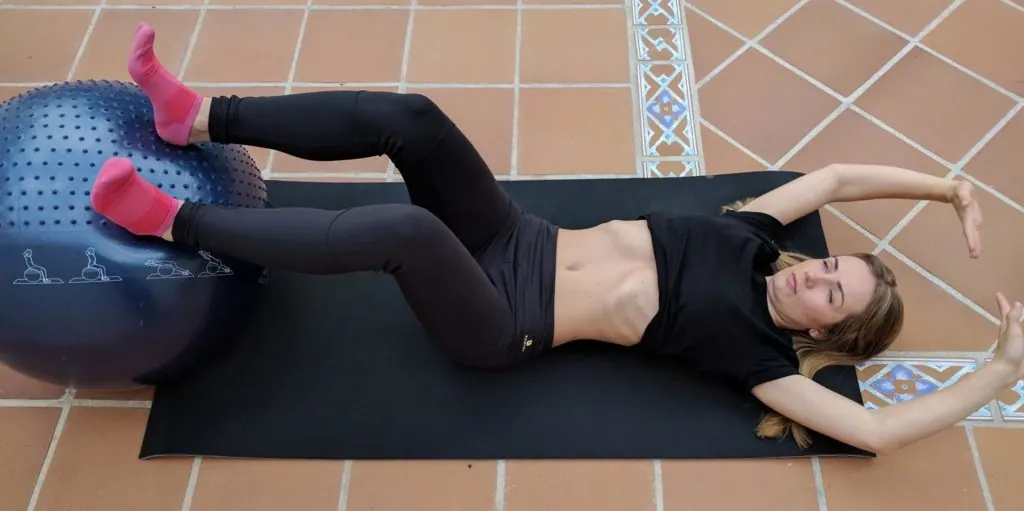 Photo I: hypopressive abdominal exercise on the fitball.
Kegel exercises for pregnant women
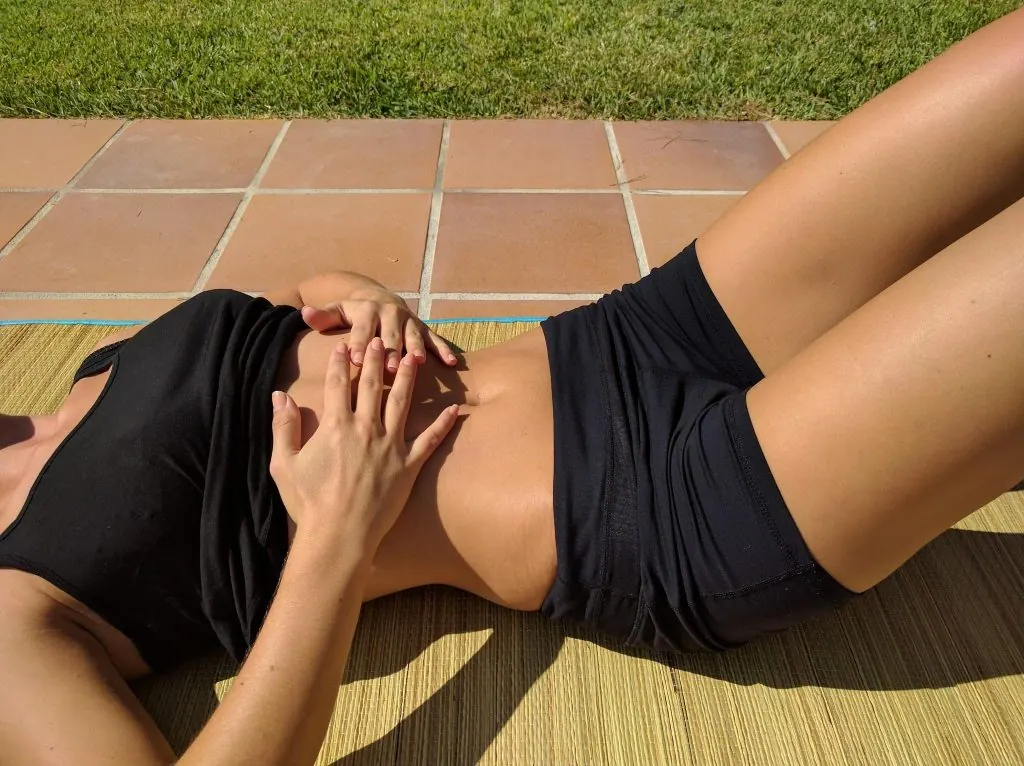 Photo II: Kegel exercise.
Pelvic floor exercises with special probes
Learning healthy postural habits
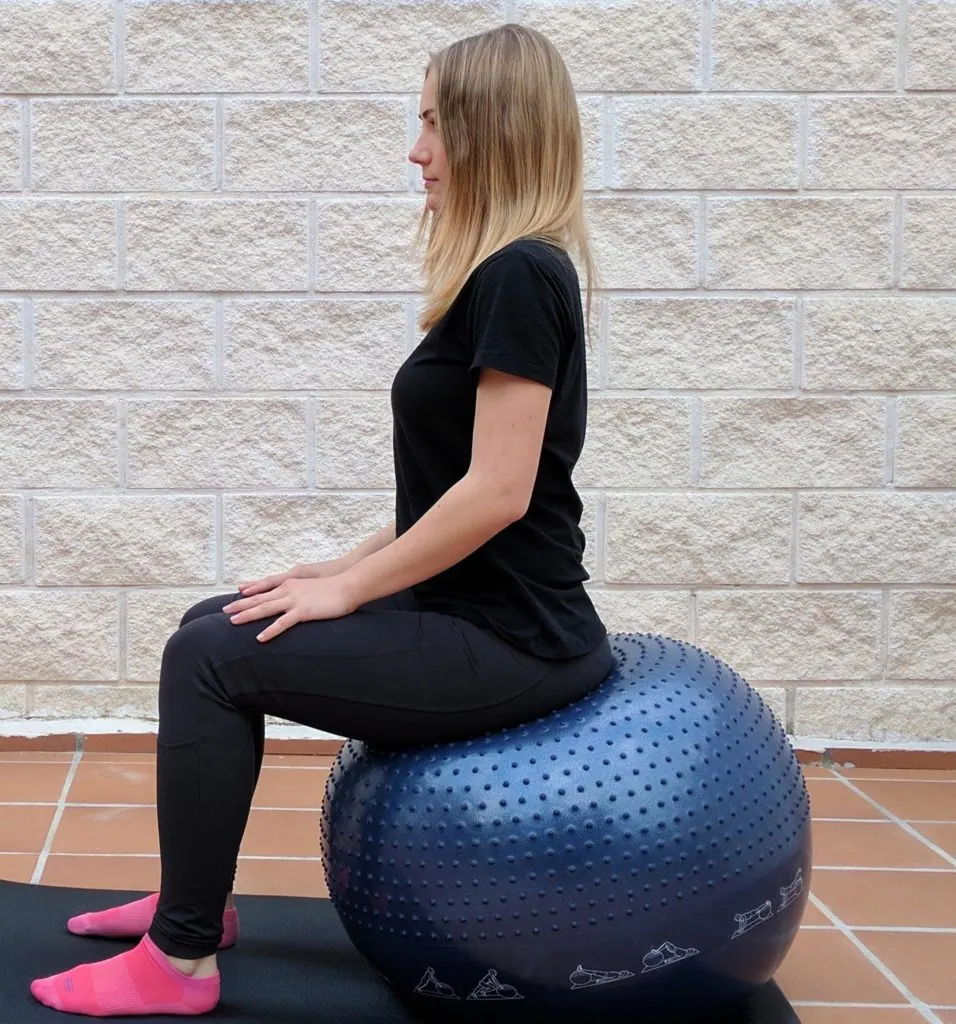 Photo III: learning the neutral position of the pelvis and spine.
Exercises to strengthen the stabilizing muscles of the lower spine and pelvis
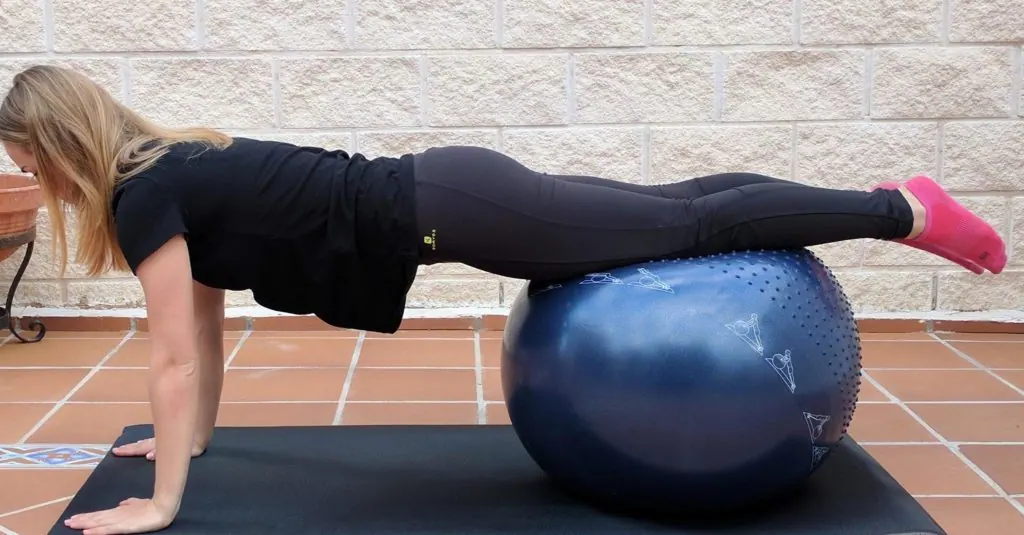 Photo IV: fitball exercise to tone the transverse abdominis and the trunk-stabilizing muscles.
Can uterine prolapse be prevented?
To prevent prolapse, the most important thing is to practice Kegel exercises regularly and exercise the deep abdominal muscles throughout a woman’s life. For the best results, add Kegel trainers.
In addition, a healthy diet rich in vitamins and fiber and drinking plenty of water help prevent constipation and weight gain, two very important factors in causing prolapse.

It’s also important to know which exercises, movements and routines can increase the risk of uterine prolapse. The most common include:
- Doing traditional sit-ups frequently
- Running
- Carrying heavy loads (jobs such as caring for older people, nursing, childcare or cleaning…)
- Smoking
- Poor posture while working (sitting with a rounded back and the pelvis tucked under)
Finally, special attention should be paid to the pelvic floor during pregnancy and postpartum: it’s advisable to attend birth preparation classes and to have your pelvic floor and its recovery assessed by a specialist physiotherapist after giving birth.


Do you have a prolapse? We can help in Valencia
We explain what it means in your case and what you can keep doing, with physiotherapy for genital prolapse. Can’t come to Valencia? We also see patients in an online consultation.