




Returning to sport after birth in Valencia
You want to get back to training but don’t know when or how. We assess your pelvic floor and abdomen and help you return in stages, without rushing and safely.
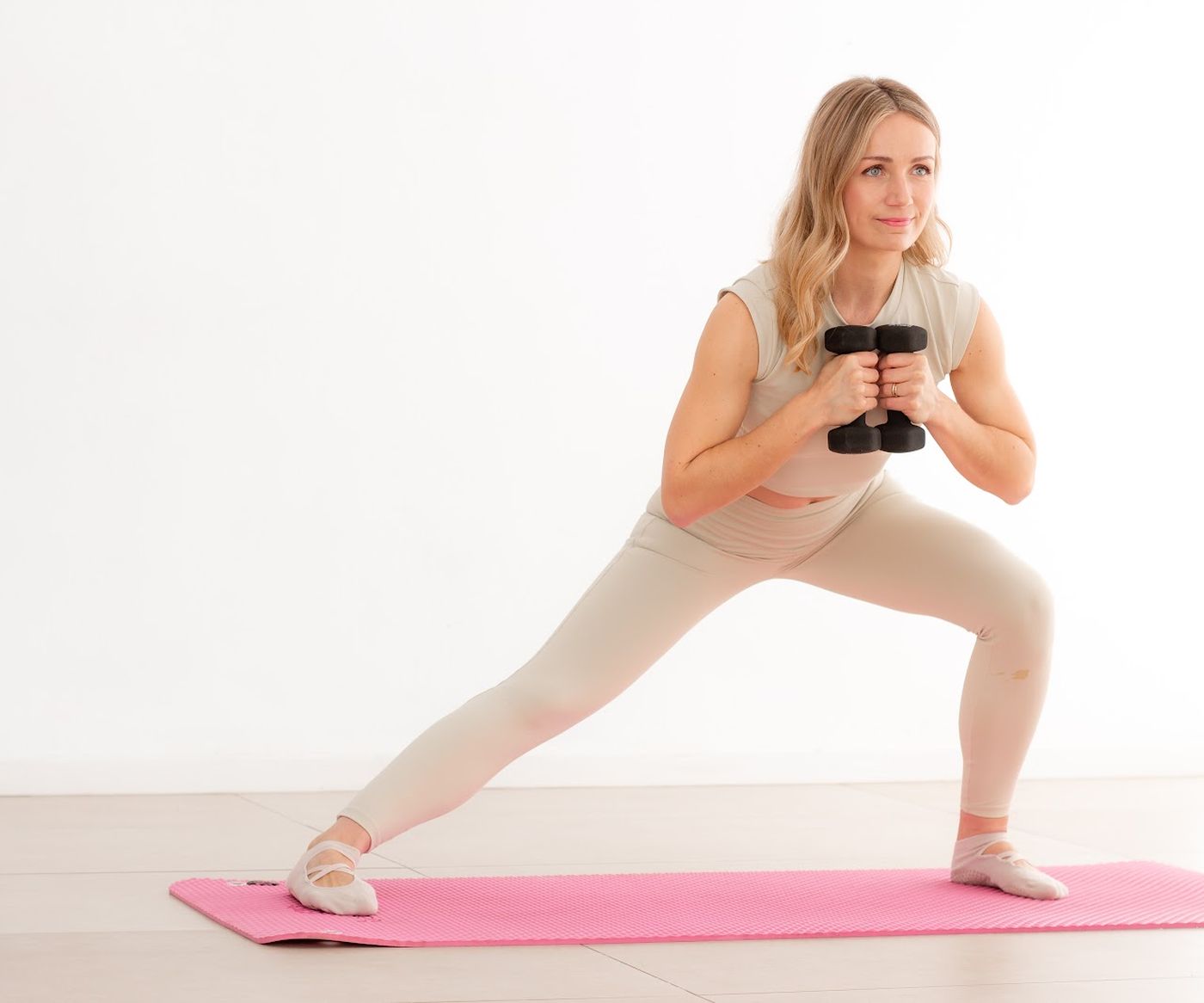



Article content
Your body needs time
Tissues need at least 12 months to recover after birth, whether vaginal or by cesarean. Feeling good does not always mean your pelvic floor is ready for impact.
Before going back to sport it is a good idea to have an assessment. It will tell you how your pelvic floor, abdomen and scars are, and whether there is leakage, heaviness or diastasis to take into account.
A return in stages
- First few weeks. Walks, breathing and gentle pelvic floor activation, unless contraindicated.
- After the assessment. Pelvic floor and deep abdominal exercises, and mobility.
- Next. Exercises such as the elliptical or squats without external weight.
- From the sixth month. Low-impact cardio and more intense toning, with care.
- Later on. A gradual return to impact, once your body responds well.

“Feeling good does not always mean your pelvic floor is ready for impact”

How we help you get back
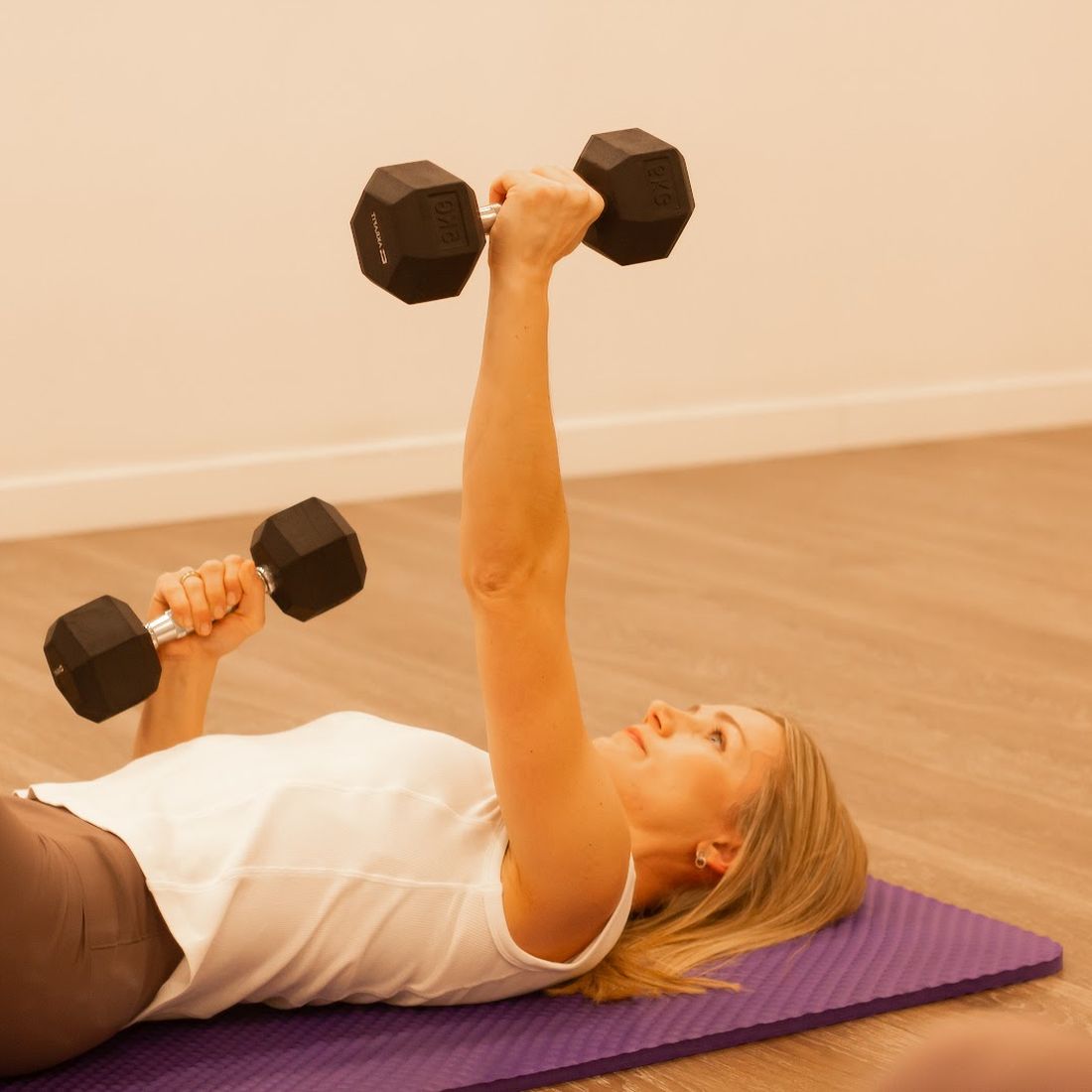
We examine your pelvic floor, abdomen, scars and posture.
We work on Kegel exercises, the transverse abdominis and hypopressives.
If present, we take them into account and work on them before increasing the load.
We gradually introduce resistance and cardio, adapted to your starting point.
We adjust the progression for running, jumping or going back to your classes.
Article content
Signs to slow down
If you notice urine leakage, heaviness in the vagina, pain or your abdomen doming when you exert yourself, lower the intensity and get it checked. Any postpartum injury can come back if you push too hard too soon.


What do we work on to return to sport after birth?
The goal is not to get your figure back quickly but to move safely again. We adapt the plan to your birth, breastfeeding, rest and goals.
Assessment of your pelvic floor and abdomen.
Gradual return to impact.
Strength and control in stages.
Prevention of leakage, prolapse and pain.



Your journey at the clinic starts like this
STEP 1.
Initial assessment
All patients start with an initial one-to-one session.
- We analyze your case in depth.
- We carry out the necessary examination.
- We explain what is happening and why.
- We design a personalized treatment plan.
- All with no further commitment.
STEP 2.
STEP 3.
Follow-up and progress
Your process doesn’t end after one session. It evolves with you.
- We regularly reassess your progress.
- We adjust the plan when necessary.
- You can combine one-to-one and group sessions depending on your progress.


Frequently asked questions
If you’re asking yourself these questions, you’re not the only one. Here we answer them clearly.
It depends on your assessment, but it’s best not to rush. Impact is introduced last, once the pelvic floor responds well.
You also need a gradual return. It is also a good idea to have your scar checked.
Not at all. Physiotherapy improves your quality of life even if time has passed.
It’s best to avoid traditional crunches at first and start with the transverse abdominis and hypopressives.
We have postpartum Pilates classes. We’ll tell you which one suits you at your assessment.
It depends on each patient: your starting point, whether there is a deeper injury or condition, and how committed you are to the exercises at home. After the first session we decide on the right treatment. If you need individual follow-up, most people notice an improvement with a first pack of 5 sessions. From there, if you follow the guidelines at home, you may only need to come back for occasional check-ups. If there is a deeper injury, you may need to go beyond that first pack.