




Physiotherapy for hemorrhoids and anal fissures in Valencia
Hemorrhoids and fissures are painful and rarely talked about. We work on what is usually behind them, such as constipation and straining, together with your doctor.
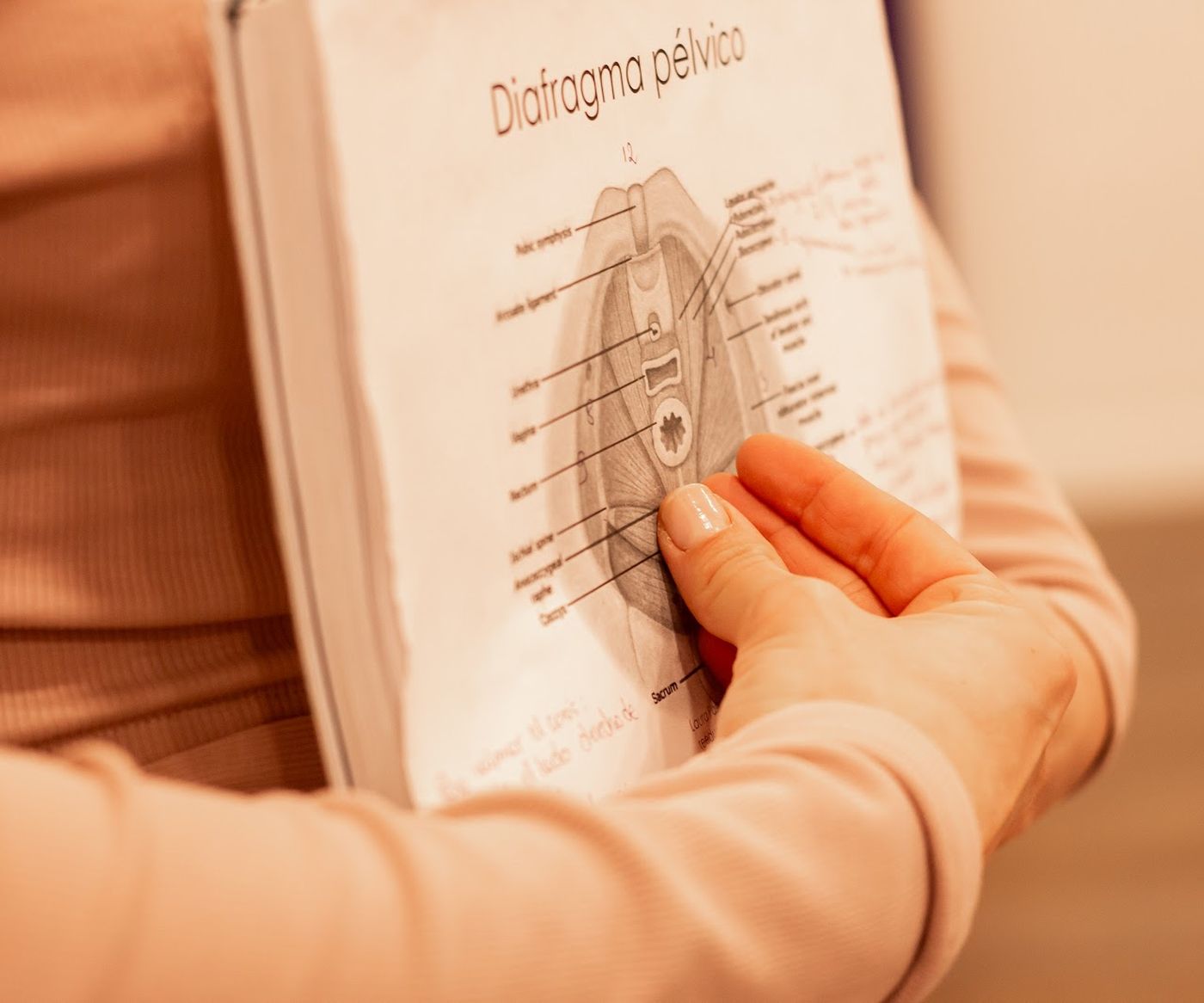



Article content
What hemorrhoids are
They are inflamed, swollen small veins in the anal area. They can be external or internal, and cause discomfort or bleeding, especially when sitting for long periods or exercising. They are common in pregnancy, with a weakened pelvic floor or with chronic constipation.
What anal fissures are
A fissure is a cut or tear in the lining of the anus. It is caused by constipation, hard stools, a vaginal birth or repeated straining. Symptoms include pain, itching, burning, bleeding after a bowel movement or a visible lump.
In most cases they heal with topical treatment. When they don’t close, they may need surgery, and that is a medical decision.

“Constipation is the main cause of anal pain, hemorrhoids and fissures”

How we work on these problems
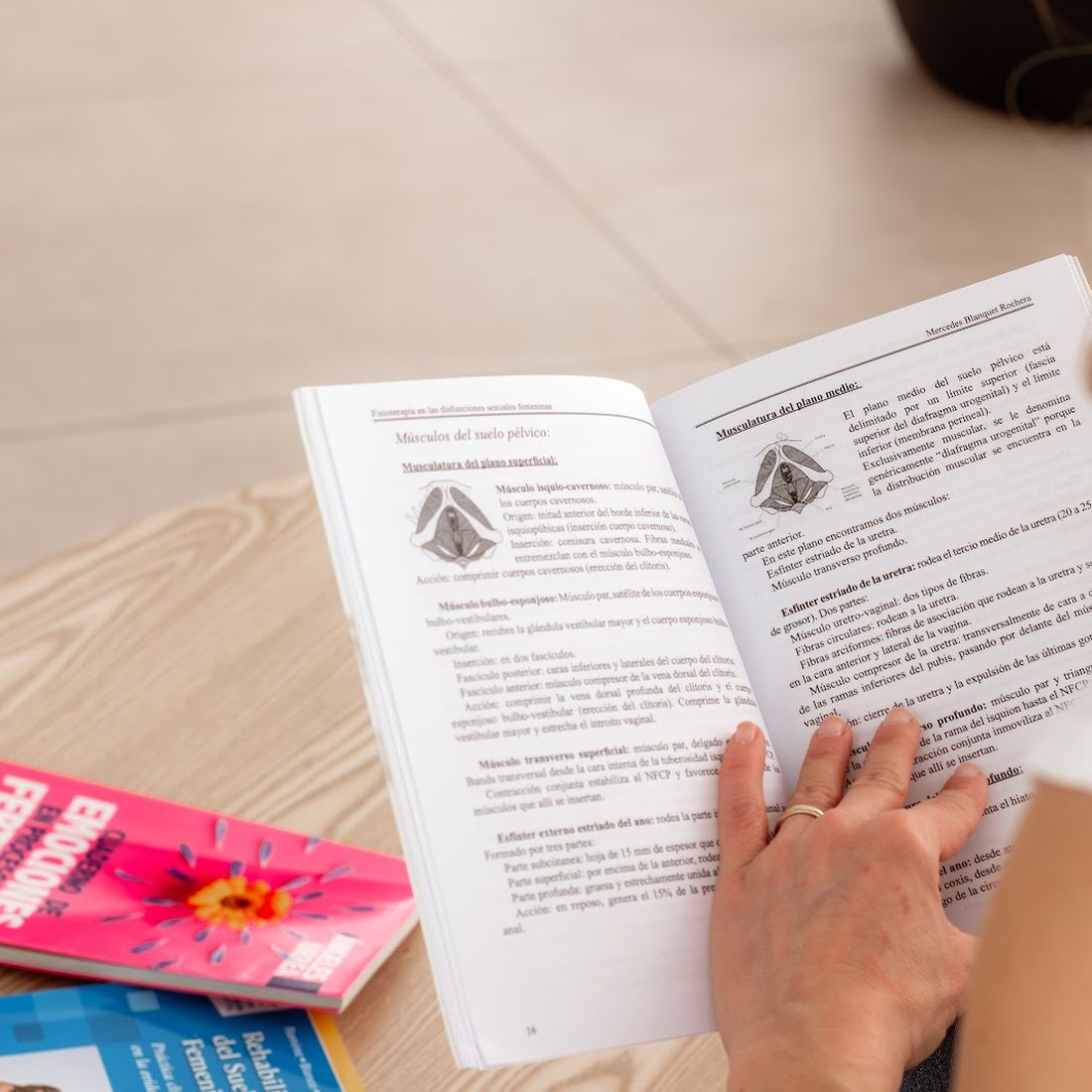
We teach you the correct position on the toilet, with your feet raised, and not to push.
You learn to use your breathing to relax the sphincters.
When pain makes the area tighten, we work on helping the muscles relax.
If the pelvic floor is weak, we strengthen it with adapted exercises.
We review water, fiber and movement so your stools are softer.
Article content
In pregnancy and postpartum
These are two particularly prone stages. Constipation, pressure from the uterus and pushing during labor all encourage hemorrhoids. If this is your case, we adapt the guidelines to your stage.
Your doctor first
If you have bleeding, a doctor should assess it to rule out other causes. Physiotherapy supports you; it does not replace that check-up or the treatment you are prescribed.


What do we work on in physiotherapy for hemorrhoids and fissures?
Physiotherapy doesn’t remove a hemorrhoid, but it can act on what makes it worse: straining, tension and lack of movement.
Position and technique when emptying your bowels.
Pelvic floor tone.
Relaxing the sphincters.
Habits that prevent constipation.



Your journey at the clinic starts like this
STEP 1.
Initial assessment
All patients start with an initial one-to-one session.
- We analyze your case in depth.
- We carry out the necessary examination.
- We explain what is happening and why.
- We design a personalized treatment plan.
- All with no further commitment.
STEP 2.
STEP 3.
Follow-up and progress
Your process doesn’t end after one session. It evolves with you.
- We regularly reassess your progress.
- We adjust the plan when necessary.
- You can combine one-to-one and group sessions depending on your progress.


Frequently asked questions
If you’re asking yourself these questions, you’re not the only one. Here we answer them clearly.
It doesn’t remove them, but it helps reduce what aggravates them and prevent new episodes. Medical treatment is prescribed by your doctor.
Yes. Any bleeding should be assessed by a medical professional.
Walking, swimming or dancing usually work well. While you have discomfort, it’s best to avoid hard efforts with the area compressed, such as spinning.
The uterus presses on the pelvic veins and hormones slow down the bowel, which encourages constipation.
We talk about your symptoms and habits, and assess your pelvic floor. We explain everything beforehand and nothing is done without your permission.
It depends on each patient: your starting point, whether there is a deeper injury or condition, and how committed you are to the exercises at home. After the first session we decide on the right treatment. If you need individual follow-up, most people notice an improvement with a first pack of 5 sessions. From there, if you follow the guidelines at home, you may only need to come back for occasional check-ups. If there is a deeper injury, you may need to go beyond that first pack.