




Physiotherapy for urinary incontinence in Valencia
Leaking urine is common, but it’s not something you have to live with. We work out together why it happens and how to treat it, without embarrassment or judgement.
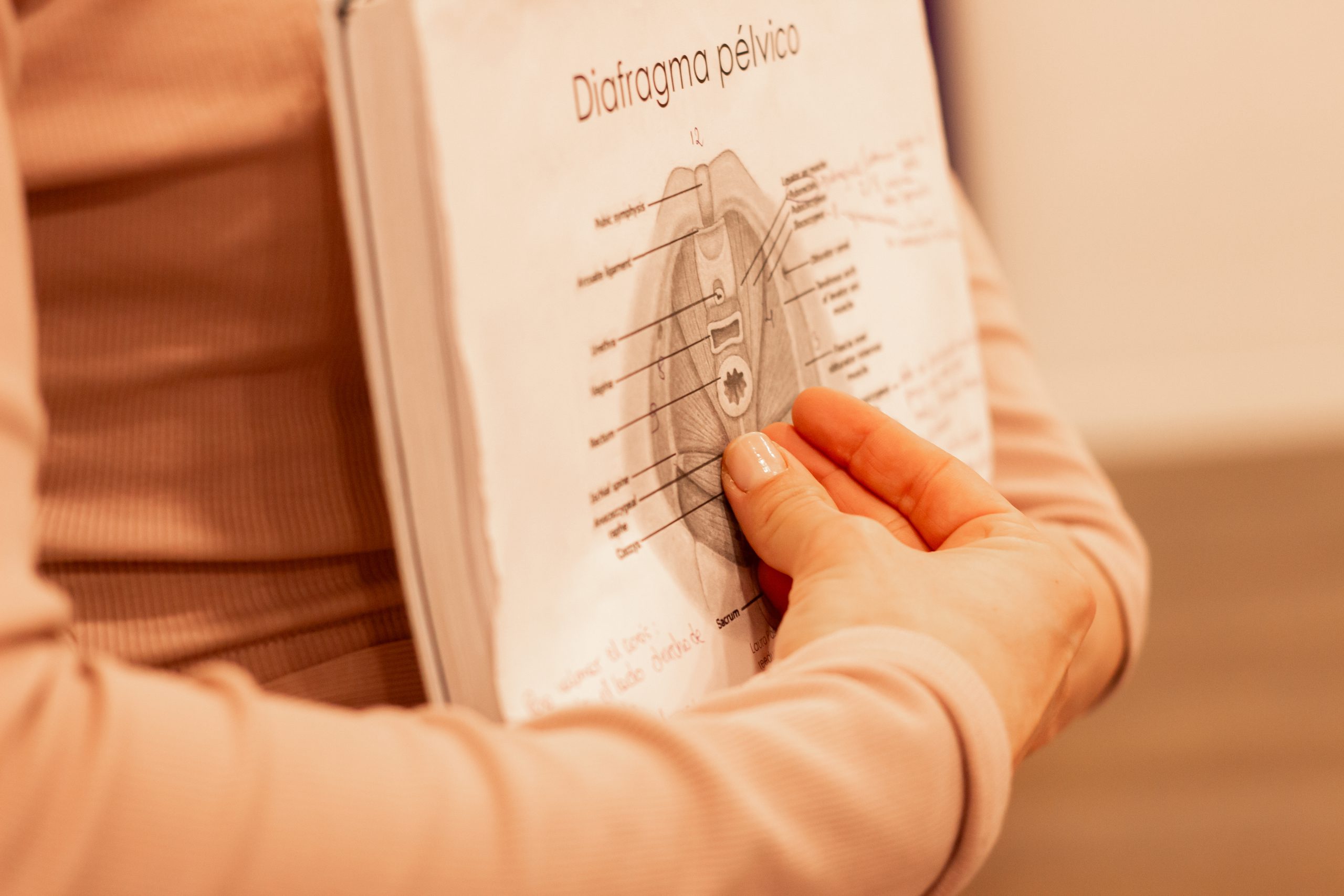



Article content
Types of urinary incontinence
Perhaps you’ve stopped jumping, running or laughing freely for fear of leaking. Or you’ve only been telling half the story for a while. Here you can talk about it completely openly: the first thing is to understand what type of incontinence you have.
There are several types of urinary incontinence: stress, urge, mixed and continuous. Stress incontinence is urine leakage that happens when you cough, sneeze, laugh, jump or do high-impact exercise such as sit-ups. With urge incontinence, the need to urinate comes on suddenly and urine leaks before you reach the toilet. Mixed incontinence combines the two.
Before choosing a treatment we need to know what type of incontinence you have and what is causing it. That’s why everything starts with a pelvic floor physiotherapy assessment.
Why urine leakage happens
To hold urine in, the pelvic floor muscles need strength and good tone to keep the urethra closed at rest and also when pressure rises inside the abdomen, for example when you cough or jump. The most common causes of stress incontinence include:
- Loss of tone in the pelvic floor muscles responsible for support.
- Bladder hypermobility and weaker urethral closure, due to surgery, injury to the pelvic muscles or nerves, or tears in the myofascial support.
- Lumbopelvic stability problems, such as chronic lower back pain or diastasis of the rectus abdominis.
- Lack of pelvic floor awareness. Many women, when trying to contract the pelvic floor, activate their abs or glutes instead.
- Chronically raised abdominal pressure, due to constipation, traditional sit-ups, running, obesity, asthma or smoking.
- Pregnancy and birth, especially with tears or an episiotomy, and multiple pregnancies.

“Many women, when trying to contract the pelvic floor, activate their abs or glutes instead”

How we treat incontinence
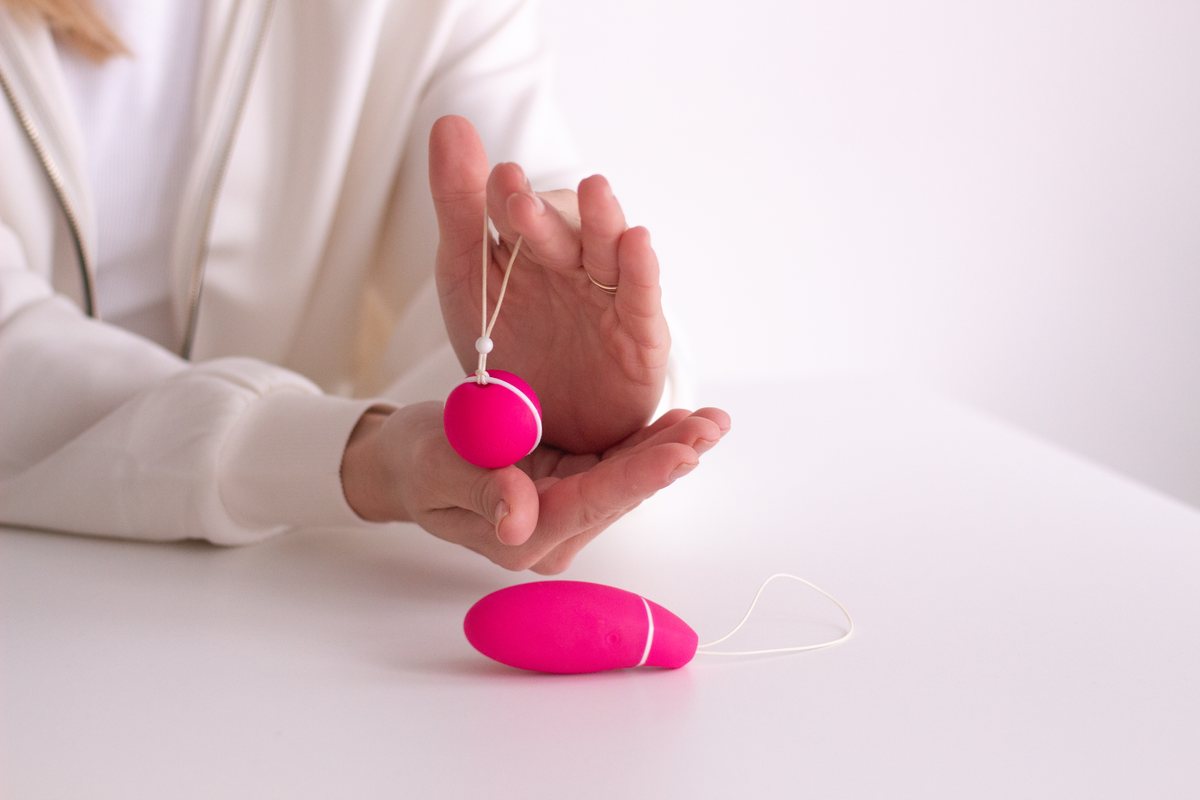
We teach you the correct technique for pelvic floor contractions with vaginal probes and biofeedback, first in one-to-one sessions and then in group classes. The perineal trainer lets you see whether you’re contracting correctly.
It’s used to activate the muscles and improve proprioception. In urge incontinence it’s also used to inhibit bladder overactivity.
Vaginal massage when there are painful scars after birth, myofascial techniques if there is fibrosis and vaginal palpation to improve the contraction. Dry needling is reserved for low tone, muscle knots or shortening of the pelvic floor.
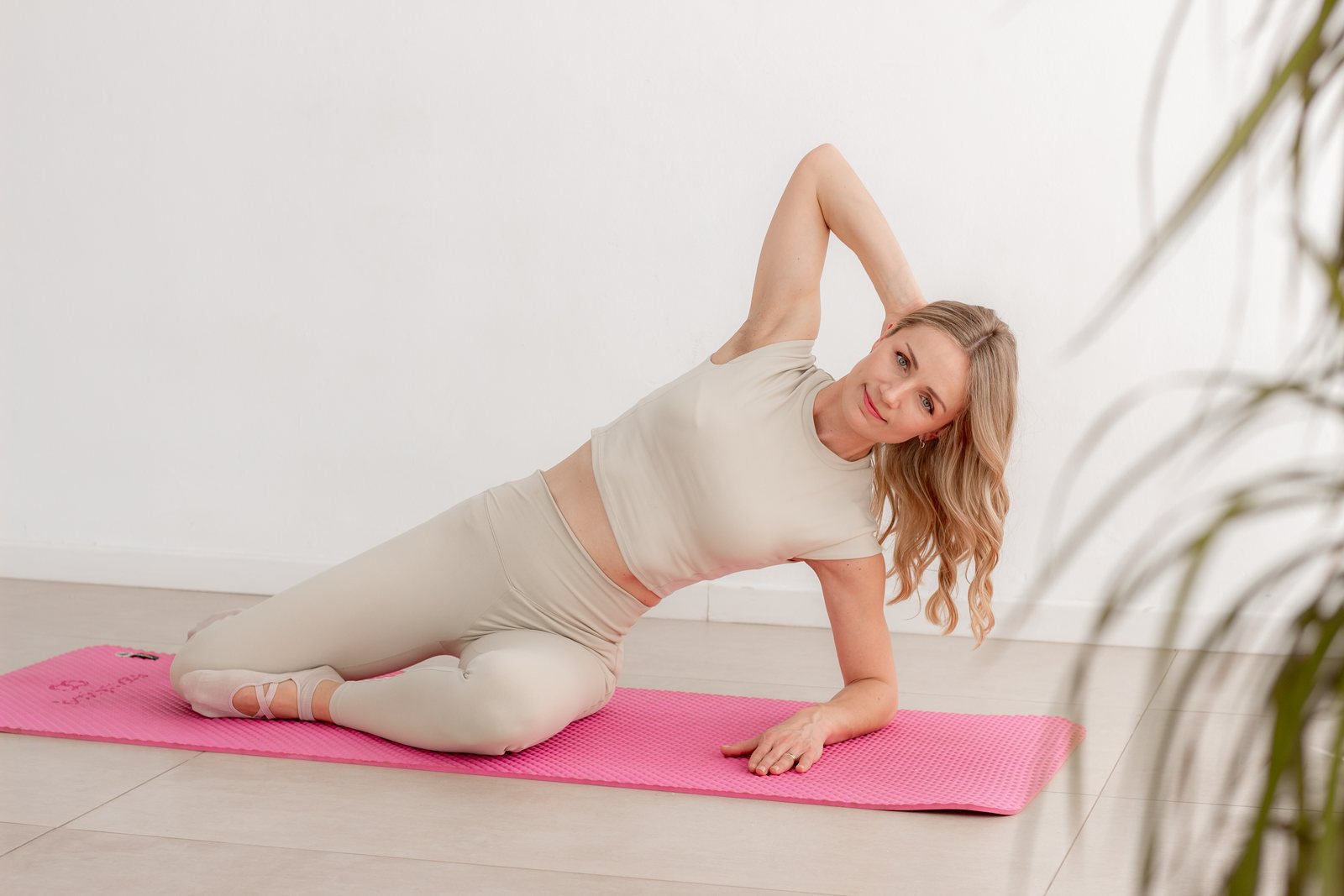
They combine specific postures with a breathing technique that reduces pressure inside the abdomen and tones the postural muscles. They are not practiced during pregnancy.
You learn the neutral positions of the pelvis and spine and how to activate your pelvic floor before everyday efforts such as coughing, lifting or getting up.
Article content
Lower back pain and incontinence: an overlooked link
The pelvic floor doesn’t just support the pelvic organs and help with continence. Together with the transverse abdominis, the deep back muscles and the diaphragm, it forms a unit that stabilizes the lower spine and pelvis every time you lift something, cough or make a sudden movement.
When one of these muscles weakens, the others do the extra work and become overloaded. If the pelvic floor and deep abdominals aren’t well toned, the lower back muscles work twice as hard to stabilize and pain appears. That’s why, if you’ve had lower back pain for more than two months, it’s worth assessing your pelvic floor too. We check the pelvis, the pelvic floor vaginally, the quality of the contraction, whether there is prolapse, the abdominal muscles, the diaphragm and the lower back.
Fecal incontinence and wind leakage
Leakage of wind or stools is also treated in pelvic floor physiotherapy, even though it’s harder to talk about. We use pelvic floor biofeedback, anal or vaginal electrical stimulation and exercises to strengthen the pelvic muscles, with special attention to the levator ani muscle. Sessions combine pelvic training with core exercises, learning ergonomic positions for opening your bowels, manual techniques for constipation and dietary guidelines.
It often appears after a vaginal birth with a tear, in menopause or after pelvic surgery. You can seek help at any of these times. You don’t have to get used to it.


What do we work on in physiotherapy for incontinence?
The goal is for you to learn to locate and contract your pelvic floor correctly, gain tone in the muscles around the urethra, vagina and anus, and for your deep abdominals and posture to help it rather than load it.
Each type of incontinence and each woman needs a different program. That’s why we combine one-to-one sessions with exercises for home and, once you’ve mastered the technique, group classes. Kegel exercises, hypopressives and Pilates without sudden trunk flexion are the foundation of the work.
Supervised pelvic floor training is one of the treatments the NHS lists for urinary incontinence. What matters is that it’s designed by a professional after assessing how you contract your muscles.
Learning to contract the pelvic floor consciously and correctly.
Reducing the abdominal pressure that loads the pelvic floor during effort.
Working on the tone of the muscles around the urethra, vagina and anus.
Integrating your pelvic floor into your sport and daily activities.



Your journey at the clinic starts like this
STEP 1.
Initial assessment
All patients start with an initial one-to-one session.
- We analyze your case in depth.
- We carry out the necessary examination.
- We explain what is happening and why.
- We design a personalized treatment plan.
- All with no further commitment.
STEP 2.
STEP 3.
Follow-up and progress
Your process doesn’t end after one session. It evolves with you.
- We regularly reassess your progress.
- We adjust the plan when necessary.
- You can combine one-to-one and group sessions depending on your progress.


Frequently asked questions
If you’re asking yourself these questions, you’re not the only one. Here we answer them clearly.
No. Pregnancy and birth play a part, and more and more young women do high-impact sports such as running, tennis, horse riding or step. Too much coffee, smoking and stress don’t help either. Age isn’t the only cause of incontinence.
The right exercises, adapted to your type of incontinence, are the foundation of treatment. What matters is learning to contract your pelvic floor correctly, knowing in which positions to activate it and working on your deep abdominals. That’s why it’s best to start with supervision rather than on your own.
No. If you drink too little, your urine becomes concentrated and can irritate the bladder, and you’ll end up going to the bathroom more often. Drink when you’re thirsty, without overdoing it, because too much fluid also fills the bladder more.
If you leak urine during a Pilates class, that exercise isn’t right for you at the moment. First we assess your muscles and the type of incontinence, and then we choose the program: Pilates without postures that activate the rectus abdominis, or Pilates combined with hypopressives.
It isn’t necessary, although it helps to know whether you have urine infections, inflammation, prolapse, endometriosis or a hormonal disorder. If you have pain or stinging when urinating, blood in your urine or a fever, see your doctor first.
It depends on each patient: your starting point, whether there is a deeper injury or condition, and how committed you are to the exercises at home. After the first session we decide on the right treatment. If you need individual follow-up, most people notice an improvement with a first pack of 5 sessions. From there, if you follow the guidelines at home, you may only need to come back for occasional check-ups. If there is a deeper injury, you may need to go beyond that first pack.