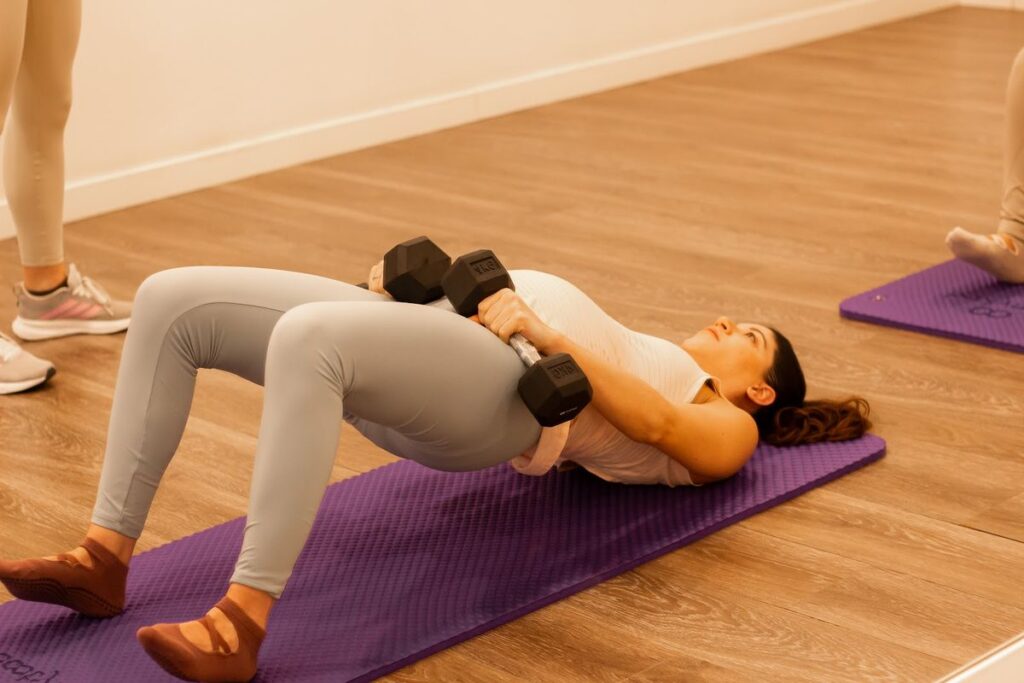
What to ask your gynecologist when you’re pregnant and want to exercise



Article content
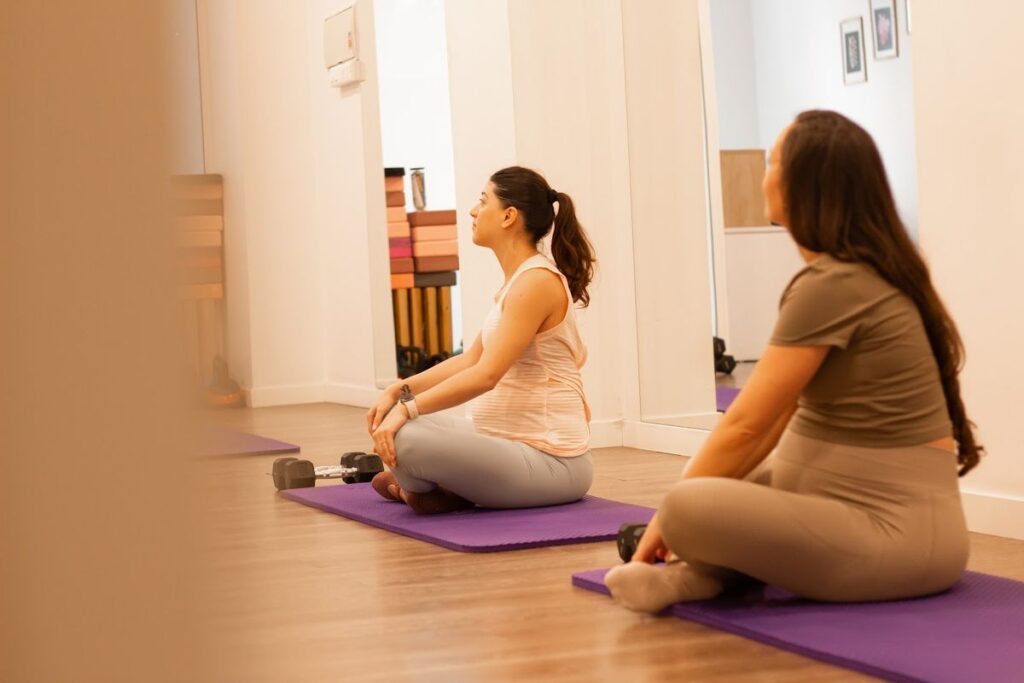
Exercising during pregnancy isn’t optional. Many scientific studies show that to be in optimal health during pregnancy, you need to exercise regularly, and even with a certain intensity.
At the same time, we also know that pregnancy brings physiological and anatomical changes and that, especially when starting to exercise, professional supervision is needed to make it as safe as possible.
There are situations in which a pregnant woman should hold off on sport or adapt certain exercises so as not to harm the baby’s development or her own health. Check-ups with your gynecologist in those first weeks are the right time to ask about the following:
Questions for your gynecologist during pregnancy check-ups
1. Position of the placenta

One of the contraindications to exercise during pregnancy is a low-lying placenta or placenta previa.
Its position is different in every woman: it can be on the front wall of the uterus, the left or right side, the back wall or the lower part.
It’s common in the first weeks of pregnancy for the placenta to be in the lower part of the uterus and then gradually spread and move up.
Women who still have a low-lying placenta from week 12 of pregnancy should hold off on exercise. Especially when the placenta covers the cervix, exercise can cause vaginal bleeding and can be very harmful.
In my daily experience with pregnant patients, gynecology reports don’t always state the position of the placenta, so if you don’t know what to ask your gynecologist when you’re pregnant, it’s a good idea to ask about this and check that the information is included in your reports.
2. Length of the cervix

Another key question for your gynecologist during pregnancy is about the length of the cervix.
The cervix separates the vaginal canal from the uterus. Inside the cervix is the mucus plug, which forms a mechanical barrier against bacteria and infections that could affect the fetus.
The anatomical length of the cervix can be different in each woman. The normal length of the cervix is between 3 and 4 cm (1¼ to 1½ inches), although many women have a cervix of 4.5 or even 5 cm (about 2 inches).
The role of the cervix in pregnancy is to maintain the pregnancy and prevent premature birth. When labor starts, the cervix effaces (shortens) and then dilates to 10 cm (4 inches) in diameter.
- You may be interested in: Exercises, positions and movements that help dilation during labor
If a pregnant woman’s cervix is shorter than 2 cm (¾ inch) and she hasn’t yet reached week 37, she should avoid exercise, as there would be a very high risk of premature birth.
A shortened cervix before week 37 requires rest and progesterone treatment.
So it’s important to regularly monitor the length of the cervix and know what its measurements mean and whether they rule out any part of your exercise routine.
3. Amount of amniotic fluid
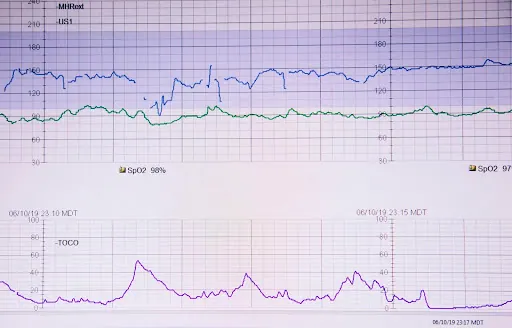
As a general rule, the amount of amniotic fluid is measured at every gynecology check-up. The amount should increase throughout pregnancy and always stay within normal limits.
Women with a normal amount of amniotic fluid can exercise without any risk.
Those with low amniotic fluid for their week of pregnancy will receive the right guidance and treatment. Usually they need relative rest and should limit physical activity to walks.
Women with too much amniotic fluid (polyhydramnios) should ask which types of exercise are contraindicated.
One of the causes of increased amniotic fluid is gestational diabetes. Pregnant women with diabetes should exercise regularly, but at the same time be monitored by their gynecologist and physiotherapist so the activity can be adapted and the risk of premature birth reduced. So it’s very important to include this question for your gynecologist during pregnancy if you really want to exercise.
How and when should I start exercising if I’m pregnant?
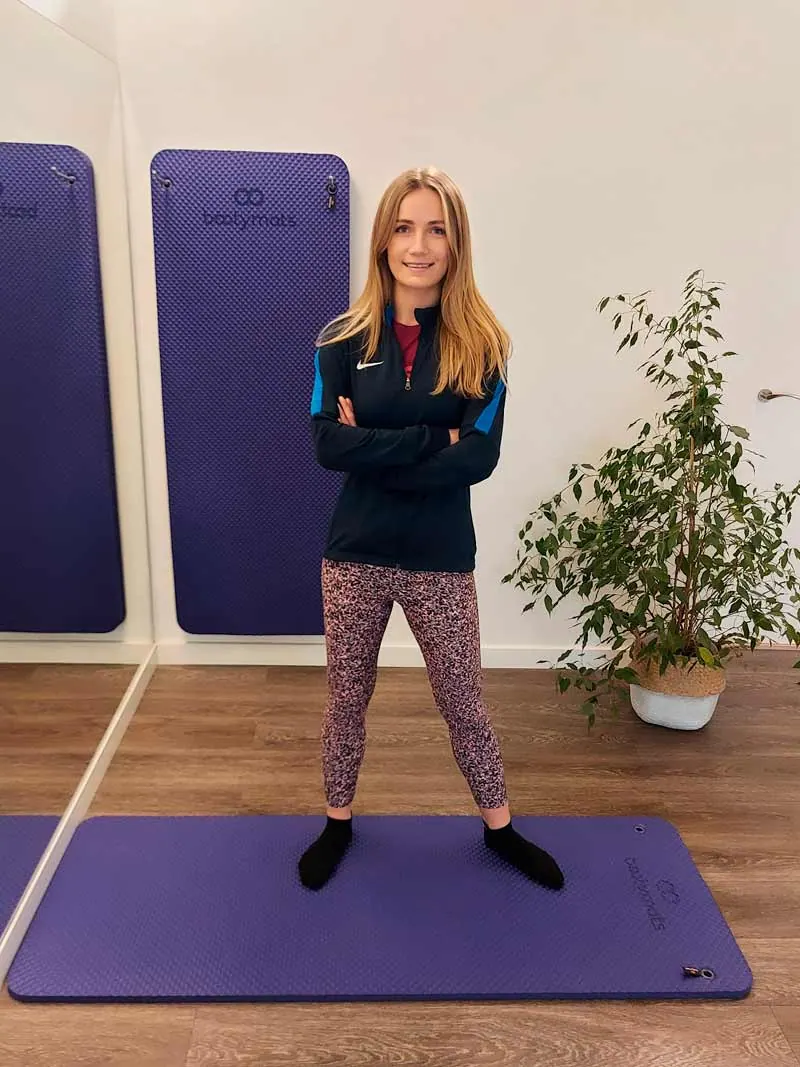
Before starting to exercise, all pregnant women should first check the points above with their gynecologist and then see a physiotherapist specializing in the pelvic floor to set out their active pregnancy plan.
In our clinic we review the ultrasound reports and assess the abdominal muscles, checking the condition of your pelvic floor, and based on this information we prepare a suitable training program. The exercises and the intensity of the sport should be adapted to each trimester and each woman.
Don’t look for general protocols that can be applied to all pregnant women. None will fit you 100%, because every body and every pregnancy is completely different. Good birth preparation requires personalized training.
All women who exercised regularly in the six months before pregnancy and have no medical contraindication during the first trimester can keep exercising from the first weeks of pregnancy.
Women who were rather inactive before pregnancy or did little activity should wait until week 12 to start exercising.
Remember that, for a healthy pregnancy, you should get at least 150 minutes of physical activity a week and do exercise adapted to your condition.
I hope this post on what to ask your gynecologist when you’re pregnant has helped. If you have any other questions, get in touch!


Prepare for your birth at our clinic in Valencia
We support you throughout your pregnancy with physiotherapy for pregnant women, adapted to each trimester and your situation. Can’t come to Valencia? We also see patients in an online consultation.