How to relieve postpartum constipation



Article content
Constipation is the inability to have regular bowel movements, ideally daily, or difficulty when passing stool, causing pain and the need to strain a lot to have a bowel movement.
Having a bowel movement every day, at least once or even twice, without having to strain too much (without pushing), is considered normal. Women with chronic constipation are those who go to the bathroom fewer than 3 times a week over a long period of at least a month. Symptoms of constipation include abdominal bloating, a feeling of heaviness in the lower belly, sometimes a feeling of heaviness in the anus, or trapped gas.
Chronic constipation is the main cause of most pelvic floor dysfunctions. That’s why it’s essential to prevent and treat it in the first months after giving birth, as the muscle tissues are weaker and any greater effort or pressure could lead to a significant injury to the pelvic muscles.
As I see more and more women suffering from constipation in my clinic, I want to make you aware that everything you do to look after your pelvic floor at this stage will affect your immediate and future well-being, including everyday things such as sex, sport, or your period and using intimate products such as Beppy Cup, for which I’m an ambassador.

In this article, we at Suelo Pélvico explain what postpartum constipation is and how to treat it.
Why is postpartum constipation dangerous?
After birth, the pelvic floor tissues are at their weakest and most sensitive. In a vaginal birth, the pelvic floor is stretched a great deal, and sometimes there’s a perineal tear or a vaginal episiotomy, which weakens it even further. If, in addition, the woman has postpartum constipation and strains and pushes to pass stool, the pelvic muscles and organs could descend.
If this straining is repeated, bowel movements are irregular and there’s abdominal bloating on the days the woman doesn’t go to the bathroom, a bladder or rectal prolapse could develop in the long term. In addition, if an episiotomy was done or a perineal tear occurred during birth, constipation in the immediate postpartum period can prevent the wound from healing properly.
Is it OK to have a bowel movement if I’ve had an episiotomy?
Yes. Fear that the stitches could come loose and the wound could open makes women delay their first bowel movement after giving birth. It’s common for women to go a few days, sometimes a week, without going to the bathroom out of fear. In reality, delaying the first bowel movement leads to more intra-abdominal pressure, more weight on the pelvic floor, descent of the rectum and more stretching of the pelvic muscles. It’s advisable to go to the bathroom as soon as you feel the urge and, if you can’t, to ask for a laxative so you can have a bowel movement without straining too much.
What can I do to prevent constipation postpartum?
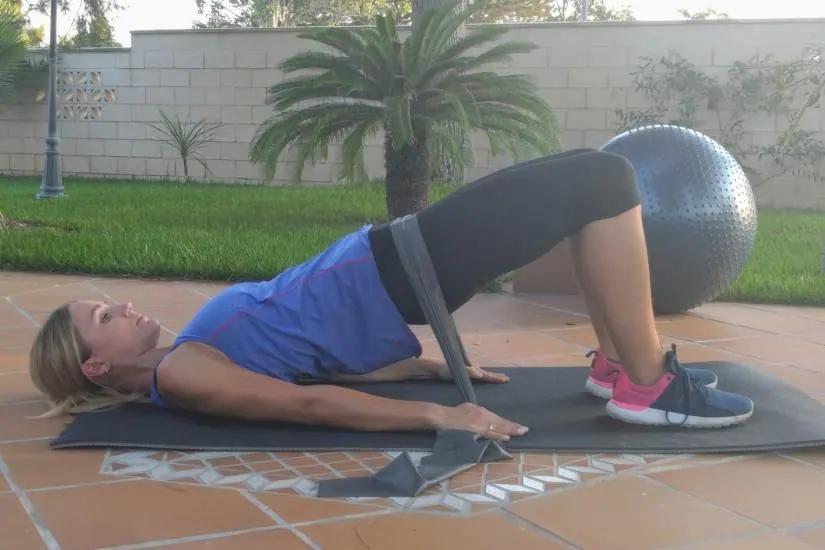
Most women who suffer from postpartum constipation already had symptoms before giving birth. During pregnancy it’s very important to do moderate aerobic exercise, such as walking briskly for 45 minutes three times a week, working the core muscles, or using an elliptical or stationary bike.
Regular exercise is the best way to prevent and fight constipation. And postpartum, there are certain exercises and habits that can help us prevent these problems.
In the immediate postpartum period
That is, during the first six weeks:
- Don’t wait more than 1 day for your first bowel movement after giving birth.
- Drink 1.5 liters (about 50 ounces) of water every day.
- Eat foods rich in fiber.
- Avoid processed and sugary foods and sodas.
- Drink hot herbal teas every day.
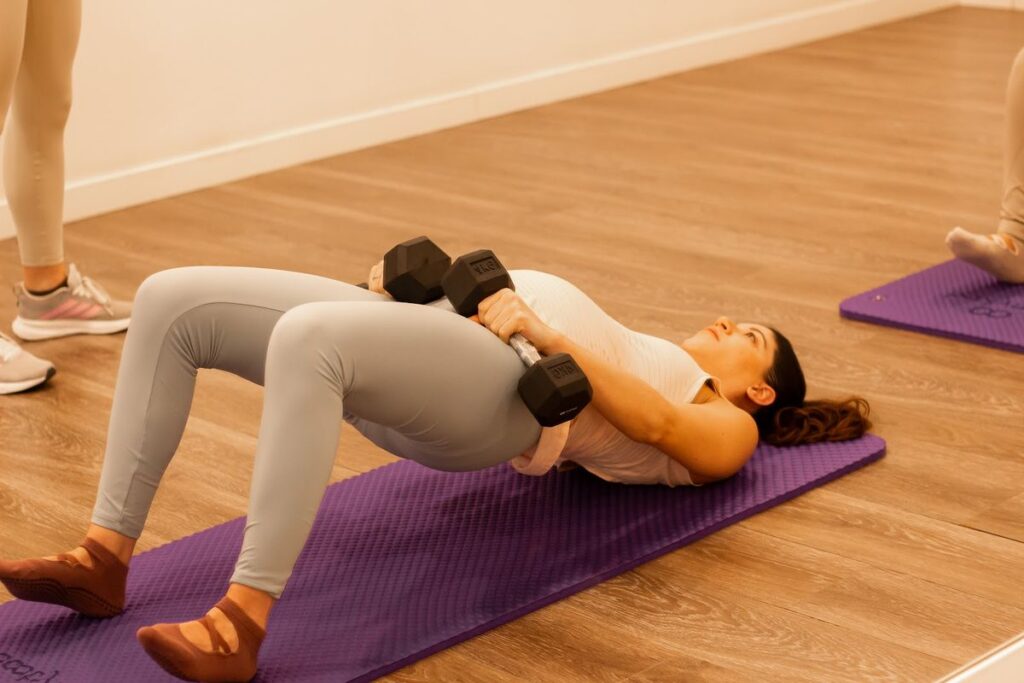
- Do the postpartum Kegel exercise routine every day.
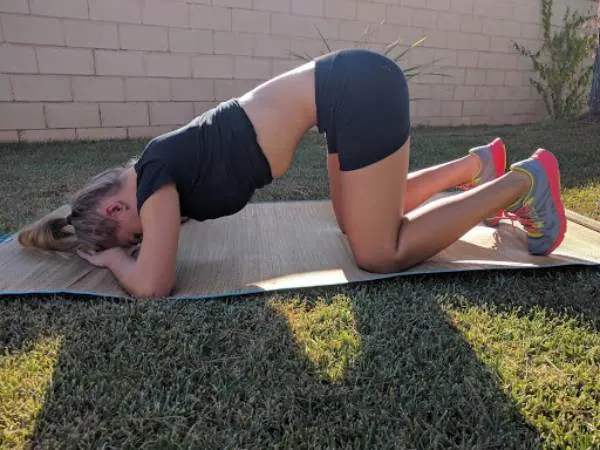
- Get into an inverted position: on all fours, with your pelvis higher than your chest, every day for about 60 seconds.
- Avoid sitting for long periods.
- Walk every day.
- Don’t wear tight clothing.
- If you haven’t been to the bathroom for 2 days, ask for a laxative.
In the late postpartum period
From the second month until one year:
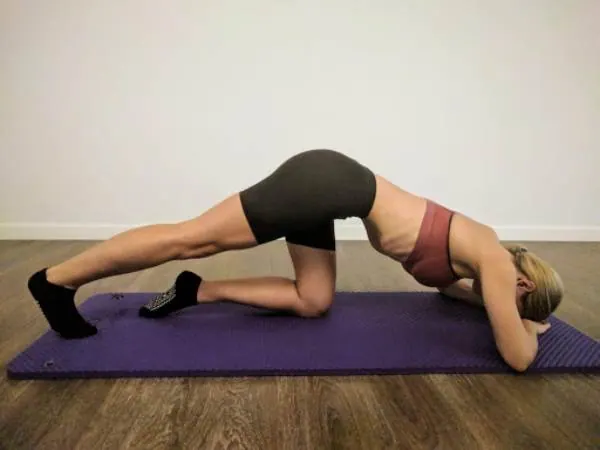
- Do hypopressive exercises regularly.
- Do Kegel exercises in different positions.
- Do functional exercises, activating the deep abdominal muscles, glutes and back.
- Walk every day, for at least 30 minutes, at a good pace.
- Swim.
- Keep up a high-fiber diet.
- Drink 1.5 liters (about 50 ounces) of water a day.
What are the consequences of postpartum constipation?
Apart from the muscle weakness and discomfort that patients with chronic constipation notice, bear in mind that injuries that affect our daily life can occur. The most common are:
- Hemorrhoids. Hemorrhoids and postpartum constipation usually go hand in hand.
- Anal fissures.
- Rectal prolapse (rectocele).
- Bladder prolapse (cystocele).
- Umbilical hernia.
- Anal incontinence (leaking gas or stool).
- Low mood and, in extreme cases, depression.
Hemorrhoids and anal fissures occur when constipation lasts longer and the woman strains a lot (pushes) during bowel movements.
An anal fissure is a painful, bleeding tear in the lining of the anal canal, which can reopen or get bigger with each bowel movement. Patients with anal fissures are advised to apply a special gel to moisturize the anal lining before each bowel movement and again afterward, after washing with water.
Hemorrhoids are small varicose veins that swell and appear in the anal lining (internal hemorrhoids) or on the outside of the anus (external hemorrhoids). They cause discomfort, sometimes bleed and can itch. In many cases they go away on their own, but when constipation is chronic, hemorrhoids need treatment. It’s recommended to apply a special ointment to speed up healing and reduce inflammation.
Whether you have hemorrhoids or anal fissures, if you want to know how to relieve postpartum constipation, you need to strain as little as possible when having a bowel movement. What usually helps is:
-
- Breathing during the bowel movement, not pushing while holding your breath. Talk, blow out air, keep your throat open.
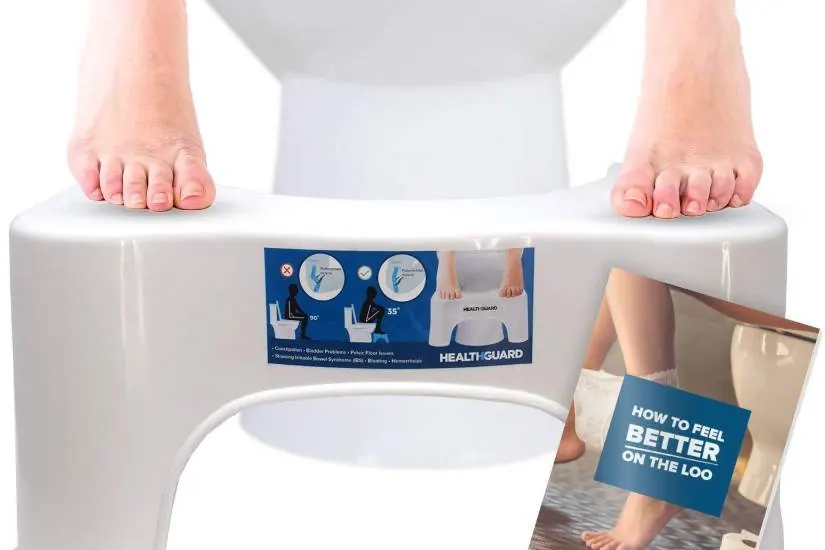
- Changing your posture with an ergonomic footstool, a very effective product for constipation. Raise your legs and rest your feet on the stool.
- Leaning your trunk forward.
- Waiting until you feel the urge to go.
- Taking your time. Rushing in the bathroom doesn’t help.
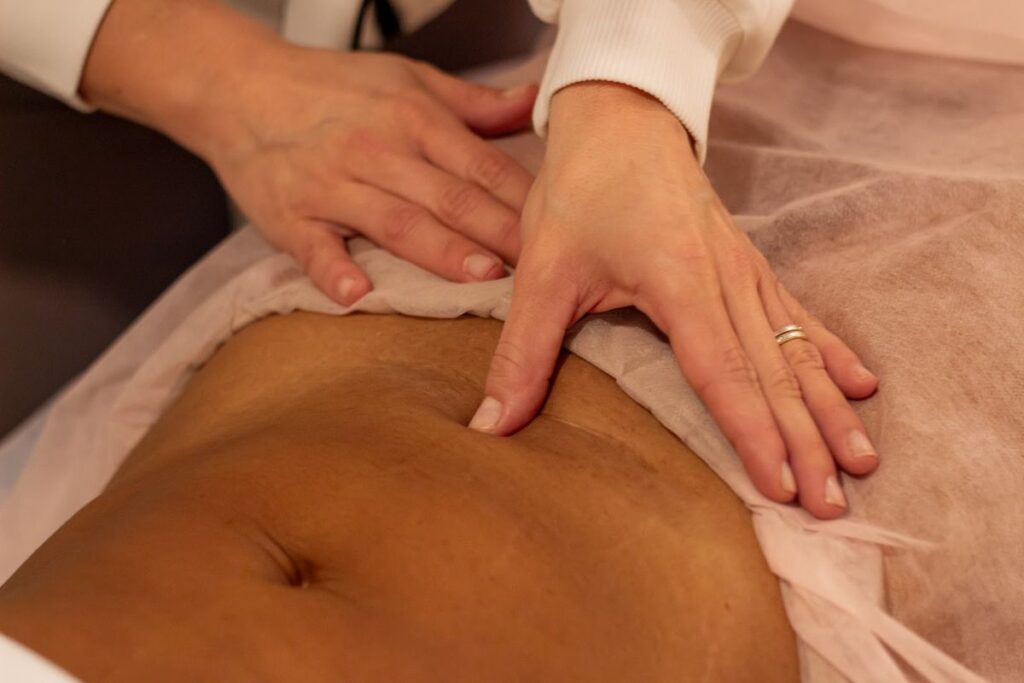
All women who have just given birth and have postpartum constipation are advised to have their pelvic floor assessed, learn how to contract it correctly, rule out genital prolapse and learn the hypopressive technique to prevent the bladder and/or rectum from descending.
If you need professional help to assess your pelvic floor, don’t hesitate to contact us. We’ll be happy to help!


Work on your constipation in Valencia
We review your habits, your posture and your muscles with physiotherapy for constipation. Can’t come to Valencia? We also see you in an online consultation.