Constipation: how to fight it. Symptoms, causes and solutions



Article content
A person is considered to have constipation when they have bowel movements fewer than three times a week, or when stools are hard and take a lot of effort to pass.
A common problem and how it affects us
Around 60% of the population has problems with bowel transit, trapped gas or abdominal bloating.
Constipation is often linked to other physical problems, for example back pain (lower back pain), tiredness, bleeding and a feeling of not completely emptying the bowel.
All of this has a direct impact on quality of life and limits many everyday activities for those who suffer from it.
Effects on the pelvic floor
Constantly straining and pushing weakens the pelvic floor muscles and pushes the internal organs downward. Using Kegel trainers can help delay this.
If we also have a prolapse (after giving birth or in menopause), the increase in intra-abdominal pressure constantly caused by constipation could make the descent of the internal organs worse (bladder, uterus).
It’s also important to consider the time between bowel movements.
The rectal ampulla is elastic and stores stool temporarily. If we don’t go to the bathroom when we feel the urge, stool builds up there and overstretches it.
If this happens many times, the rectum loses its ability to contract and expel stool, the defecation reflex is inhibited, and stool keeps building up and puts pressure on the vaginal walls and pelvic floor.
What causes constipation?
The main causes are:
- Certain medications (codeine)
- Diseases (Crohn’s disease, colon cancer, hypothyroidism)
- Anxiety
- A sedentary lifestyle
- Very high-protein diets
- Stress
During pregnancy, almost half of women have changes in bowel transit.
The hormone progesterone slows down bowel movements.
In addition, the growing uterus puts more pressure on the rectum and makes bowel movements harder.
How to fight constipation
Eat well:
- Cut down on foods containing sugar and fat.
- Eat foods rich in fiber, such as whole grains, fruit (kiwi or plums) and vegetables.
- It’s highly recommended to drink 2–3 liters (about 70–100 ounces) of water a day, so food moves more smoothly through your digestive system.
Activity:
- Combine aerobic exercise with correct abdominal toning.
- Brisk walking, cycling, dancing and swimming are the best aerobic activities to help regulate your digestive system.
On this point, it’s worth highlighting two common activities that aren’t always recommended for fighting constipation:
- Running: Women with constipation shouldn’t run. It’s a high-impact sport for the pelvic floor and could weaken those muscles further.
- Ab exercises: Activating the deep abdominal muscles, especially the transverse abdominis, improves bowel function. It also helps keep the internal organs in place and reduces intra-abdominal pressure, keeping your pelvic floor in good shape. Forget traditional sit-ups!
The right position on the toilet
The modern toilet has forced us into the wrong position, with the legs bent at 90º, which keeps the anal sphincter contracted.
For a normal bowel movement, the sphincters need to be as relaxed as possible.
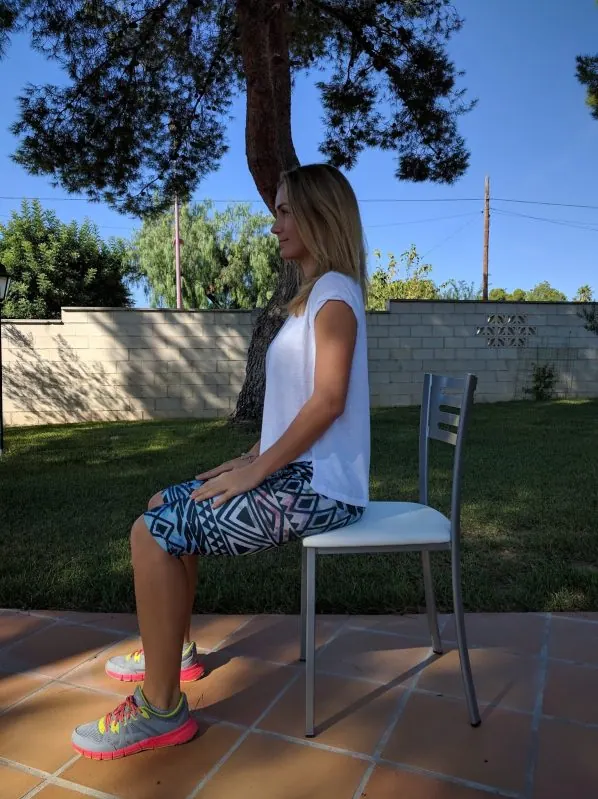
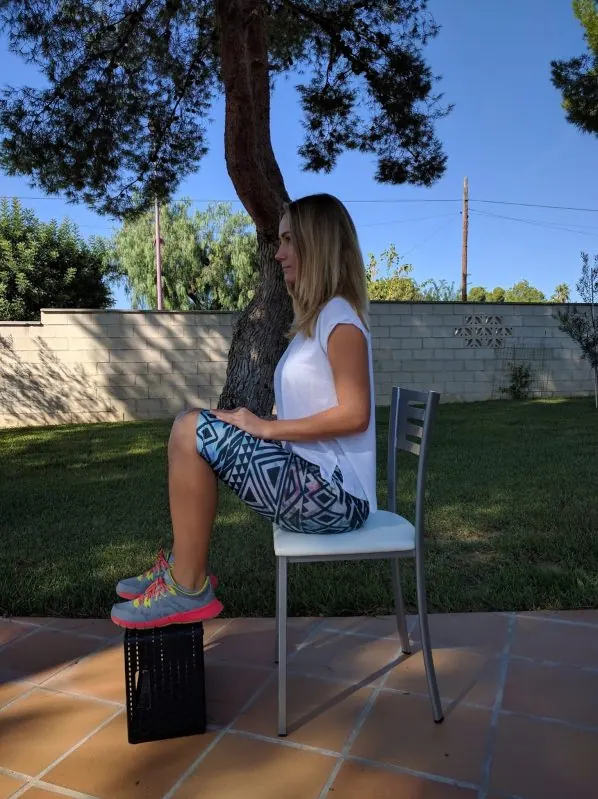
So the ideal position has an angle greater than 90º, that is, with your knees above your hips.
You can place a small stool or a box under your feet to raise your knees. In this position you’ll remove the muscle tension around the anus and be able to pass stool without pushing.
Massage for constipation
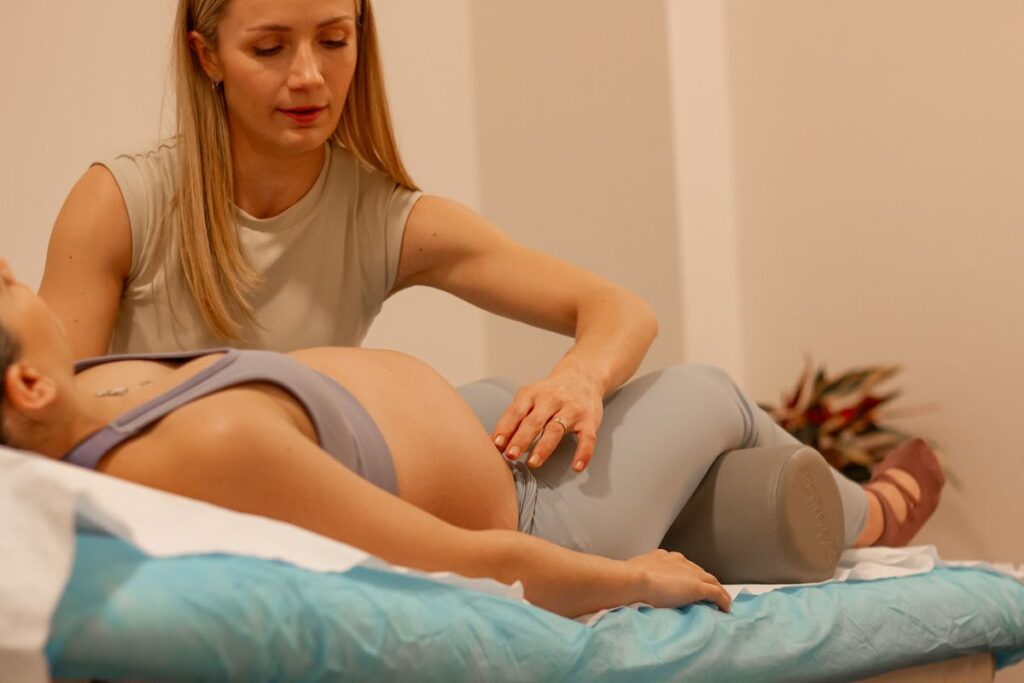
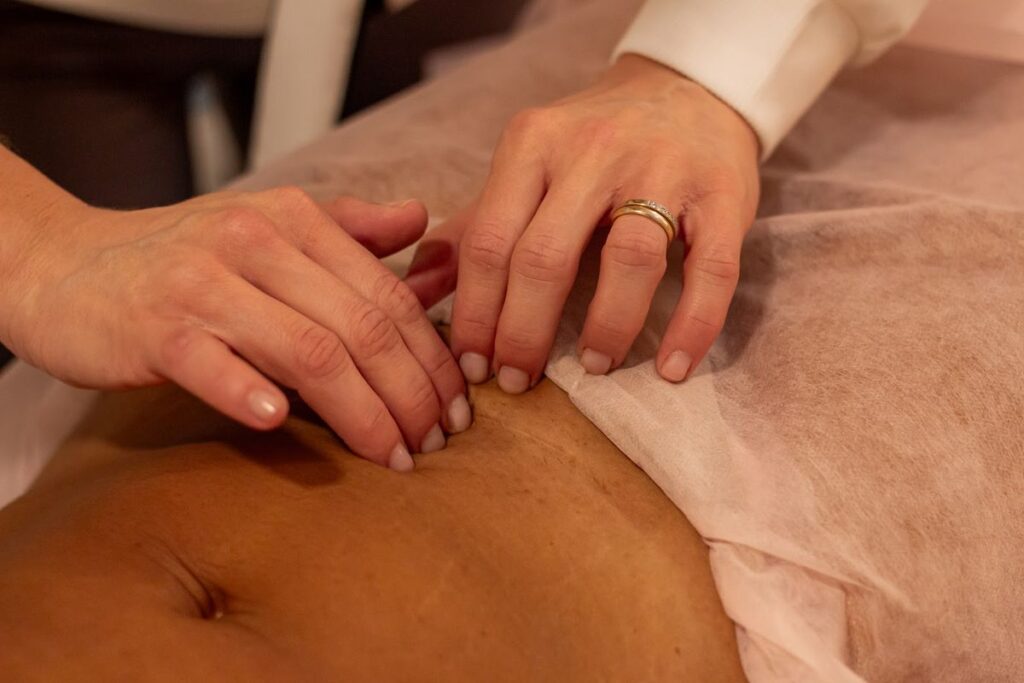
A gentle massage twice a week, in the direction the colon empties, helps push its contents along and improves bowel movement.
Here’s how to do it:
- Lie on your back with your legs bent and your feet on the floor.
- With both hands, start on the right side of your abdomen, then move across above your belly button and finally down the left side. It’s a circle, the pressure is gentle and no lubricant should be used. It should last at least 10 minutes.
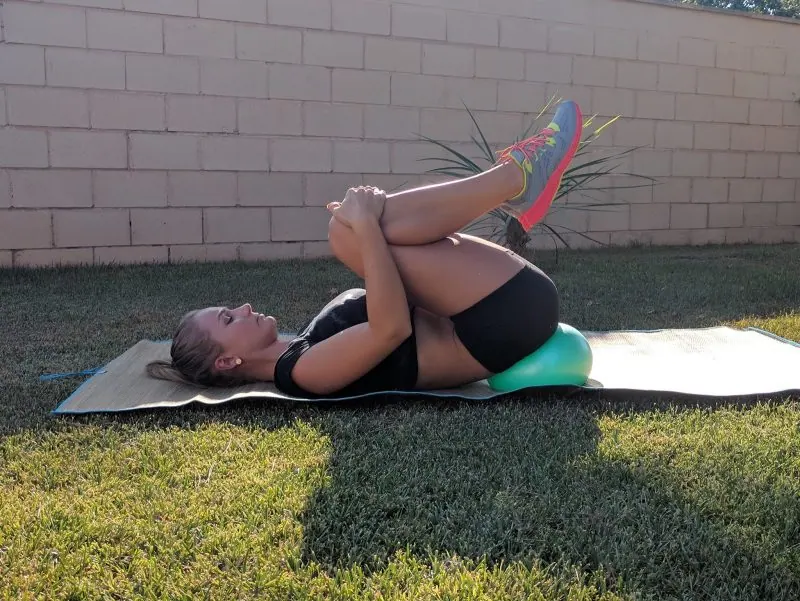
- After the massage, stay in a relaxing position, keeping all your abdominal and pelvic floor muscles relaxed: lying on your back, place a small ball under your pelvis and bring your knees toward your chest. Breathe deeply and hold this position for 5 minutes.
With these techniques we can relieve the symptoms of constipation naturally.
References
The following medical studies were taken into account in writing this article:
REMES-TROCHE, José María. Estreñimiento: evaluación inicial y abordaje diagnóstico. Rev Gastroenterol Mex, 2005, vol. 70, no 3, p. 312-322.
DE LA CALLE FERNÁNDEZ-MIRANDA, María. Estreñimiento y embarazo. Solicitada acreditación a la Comisión de Formación Continuada de las Profesiones Sanitarias de la Comunidad de Madrid-SNS, p. 63.


Work on your constipation in Valencia
We review your habits, your posture and your muscles with physiotherapy for constipation. Can’t come to Valencia? We also see you in an online consultation.