
Causes of vaginal pain and how physiotherapy treats it



Article content
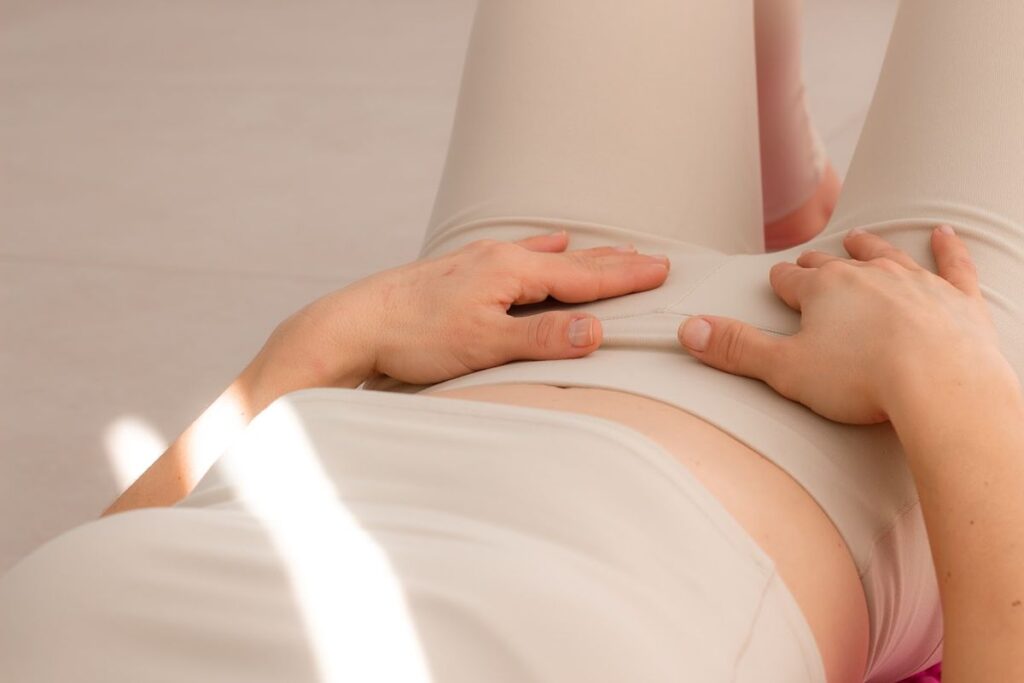
The genitals are one of the most sensitive areas of the body of anyone, man or woman, so feeling pain there is very unpleasant and uncomfortable. In women, so-called vaginal pain usually extends from the pubic area to the anus, or is located only at the vaginal opening, in the vulval area.
When the discomfort continues for more than 6 months, the pain is defined as chronic and treatment will inevitably take longer, with medium- to long-term effects. That’s why it’s advisable to see a specialist at the first signs of vaginal pain. We can consult a gynecologist if we notice any discomfort that worries us, to rule out inflammation, infections or a problem with the internal organs.
Treatments are very varied and generally personalized for each case. Gynecological physiotherapy plays a part in many of them, as numerous studies have shown that specialist gynecological physiotherapy improves the quality of life of women with vaginal pain and inflammation and significantly reduces the symptoms related to this dysfunction.
In this article I’ll explain the main causes of vaginal pain and which pelvic floor dysfunctions can cause it.
Causes of vaginal pain and inflammation
Endometriosis
This is the main cause of pain in the pelvic area, due to inflammation of the pelvic and abdominal tissues. Nodules of endometrial tissue settle in areas with many nerves, such as the area between the uterus and the sacrum or the rectovaginal area. Adhesions form and the pelvic nerves responsible for the pain become trapped, as we explained in the article dedicated to this condition.
Pain in endometriosis is felt deep in the pelvis, mainly in the lower belly and the area of the ovaries, and travels down toward the groin and vagina.
Vulvodynia
This is chronic vulval discomfort, felt as burning or stabbing pains in the groin and vulva. There are no visible lesions or neurological dysfunctions.
The pain can occur spontaneously or be ongoing. In the first case, the discomfort appears during sex, gynecological check-ups, daily hygiene, from the rubbing of tight clothing or simply when sitting down.
Vulvodynia can be caused by an obstetric injury, such as a vulval tear during birth, or a surgical injury. Yeast infections, cystitis or frequent urinary infections can also increase the risk of vulval pain.
A traumatic event in life, such as losing a job, a divorce, infidelity or the death of a loved one, can be somatized and cause pain in the most sensitive areas of the female body, such as the vaginal area.
Vaginismus
This is hypertonia of the superficial muscles and, in some cases, also of the deep muscles of the pelvic floor. The pain appears at the moment of penetration during sex, and can make sex completely impossible. Discomfort is also felt with any vaginal touch, such as daily hygiene or gynecological check-ups.
The pain is felt at the entrance to the vagina, or at the entrance and along the whole length of the vagina. Patients often feel burning, muscle tension in the pelvis, itching, a feeling of heaviness…
There are two types of vaginismus: primary, when the woman has never been able to have sex, and secondary, when a traumatic experience has caused a spasm of the pelvic floor muscles. In this earlier article you can find more information about vaginismus.
Interstitial cystitis
This is a condition that causes pain in the bladder and lower belly, spreading to the groin and the urethral and vaginal area. The most common cause of interstitial cystitis is frequent urinary infections and bladder irritation. After an infection, the bladder becomes distended and this can lead to more frequent urination, a burning sensation in the bladder and a constant feeling of needing to go to the bathroom…
Inflammation of the bladder wall stops it working properly, causing chronic pelvic pain, pain when the bladder is full and relief when it’s empty. Besides the pain, the pelvic floor muscles weaken, as they have a greater workload to hold in urine and support the extra weight of the bladder.
To tackle this dysfunction, pelvic floor physiotherapy, changes in postural habits and changes in diet should be combined. All three are essential to improve quality of life.
Genital prolapse
This means there is descent of the internal organs from their normal position.
There are several types of prolapse, depending on which organ has descended: uterine, bladder, rectal or bowel prolapse.
Patients often feel heaviness or a bulge in the vagina, a feeling of incomplete emptying, leakage of urine or gas, frequent urinary infections, pain during sex, or pubic or perineal pain. Find more information about uterine prolapse.
How to treat and relieve vaginal pain
In practically all the dysfunctions that cause vaginal pain, the main cause is overactivity of the superficial and deep pelvic floor muscles. In treatment it’s essential to relax the perineal area, the pelvic floor, the lower back and the superficial muscles of the pelvis, as these are closely linked to the symptoms.
Stretches to relieve vaginal pain
In many cases, patients have tension not only in the internal muscles of the pelvis but across the whole lumbopelvic region. These stretches will help you reduce tension in those muscle groups and relieve vaginal pain.
-
Lower back and sacrum stretch
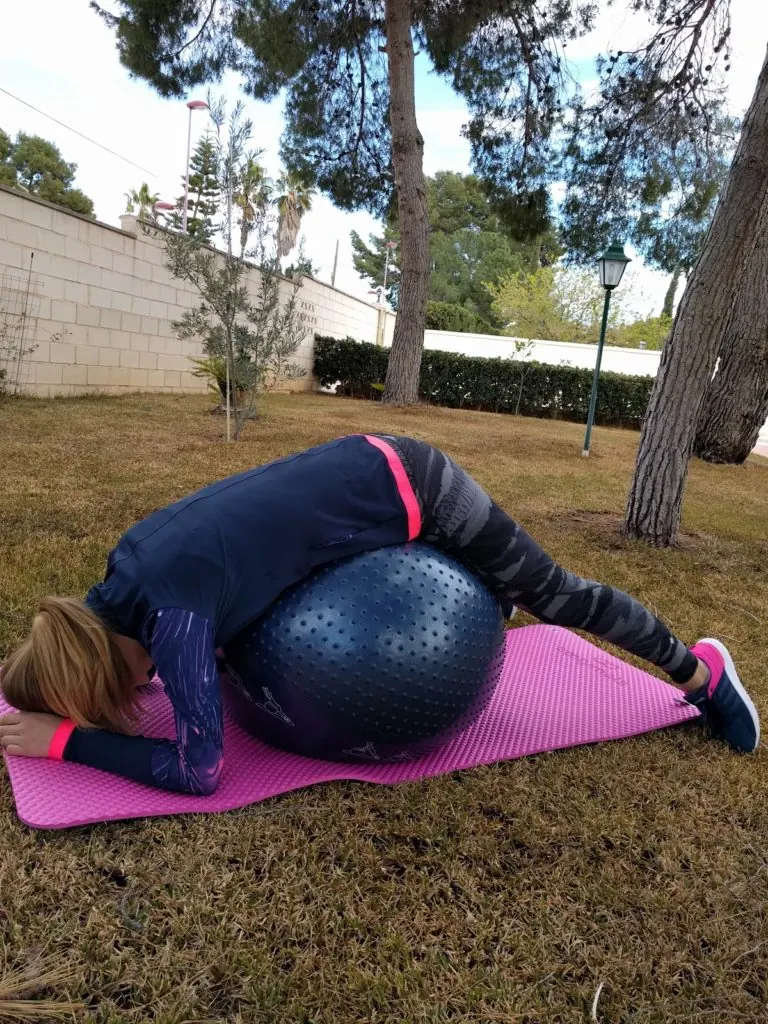
Lie face down over the large fitball, with your forearms and feet on the floor. Try to stretch your legs and lower your trunk (resting your head on your hands). You’ll feel the weight of your legs and head stretching your whole lower back and sacrum. Stay in this position for 3 minutes, breathing deeply. Then get up slowly and repeat once more.
-
Perineum and adductor stretch
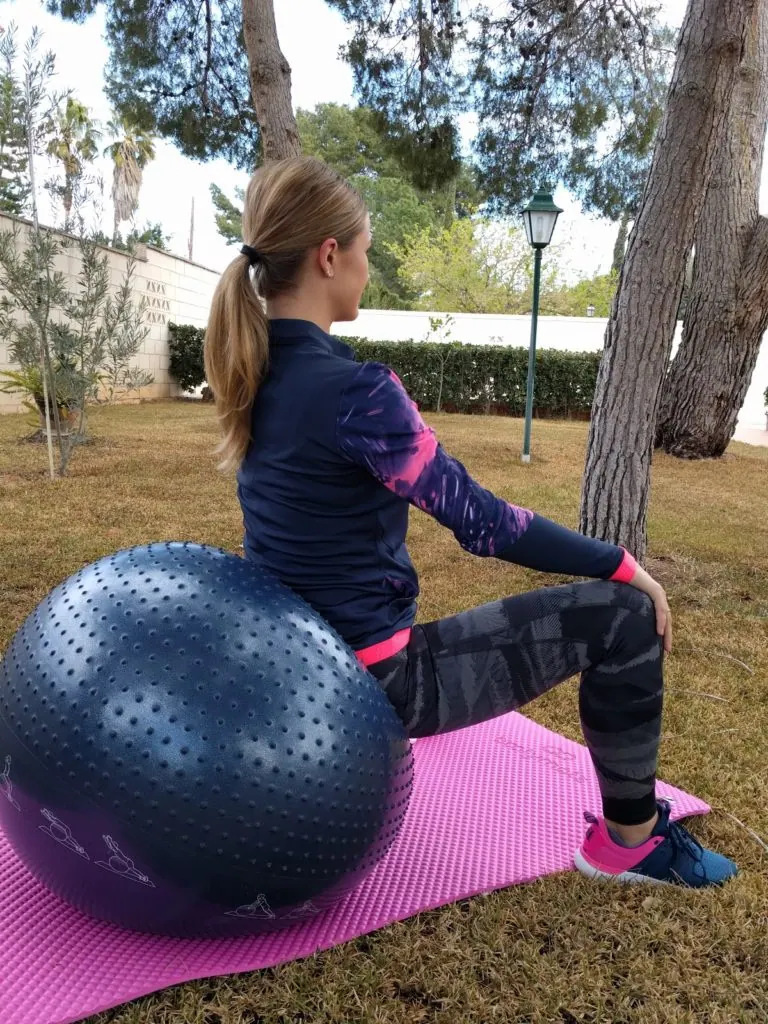
Sit on the fitball with your feet and knees wider than hip-width apart. Walk your feet forward (3–4 steps) until your pelvis is almost off the ball. You’ll notice that as you lower your hips, your knees open wider. In this position we feel a strong stretch on the inside of the legs (adductors) and in the perineal region. Breathe deeply: as you breathe in, send the air to your rib cage, and as you breathe out, push your knees outward with your hands to increase the stretch. Stay in this position for 3 minutes.
-
Perineum and groin stretch
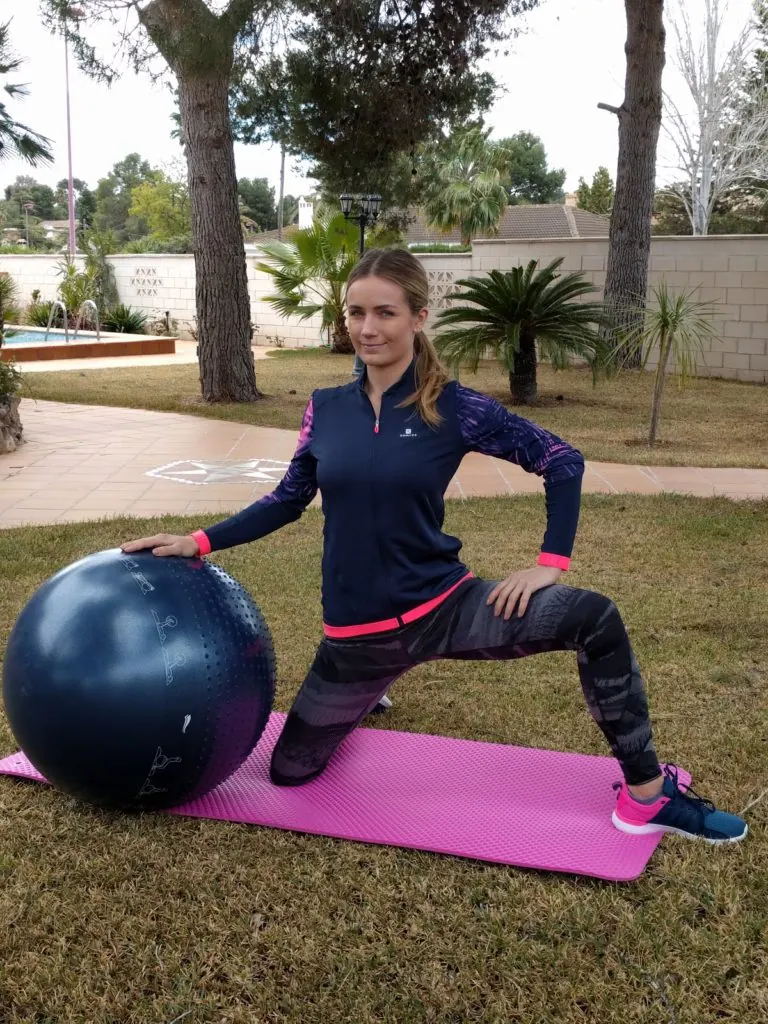
Kneeling, take one leg out to the side, keeping the knee bent. Rest one hand on the ball to keep your balance. Take a deep breath and, as you breathe out, shift your body weight to the side (toward the leg you’ve moved out). You’ll feel a strong stretch on the inside of both legs, in the groin and in the pelvic floor. Repeat 10 times on each leg.
Now that you know how to relieve vaginal pain, you can book an appointment and get started.
The most recommended techniques for relieving vaginal pain
In clinic we also use many treatments to relieve vaginal pain, reduce tension in the pelvic muscles and improve the condition of the perineum.
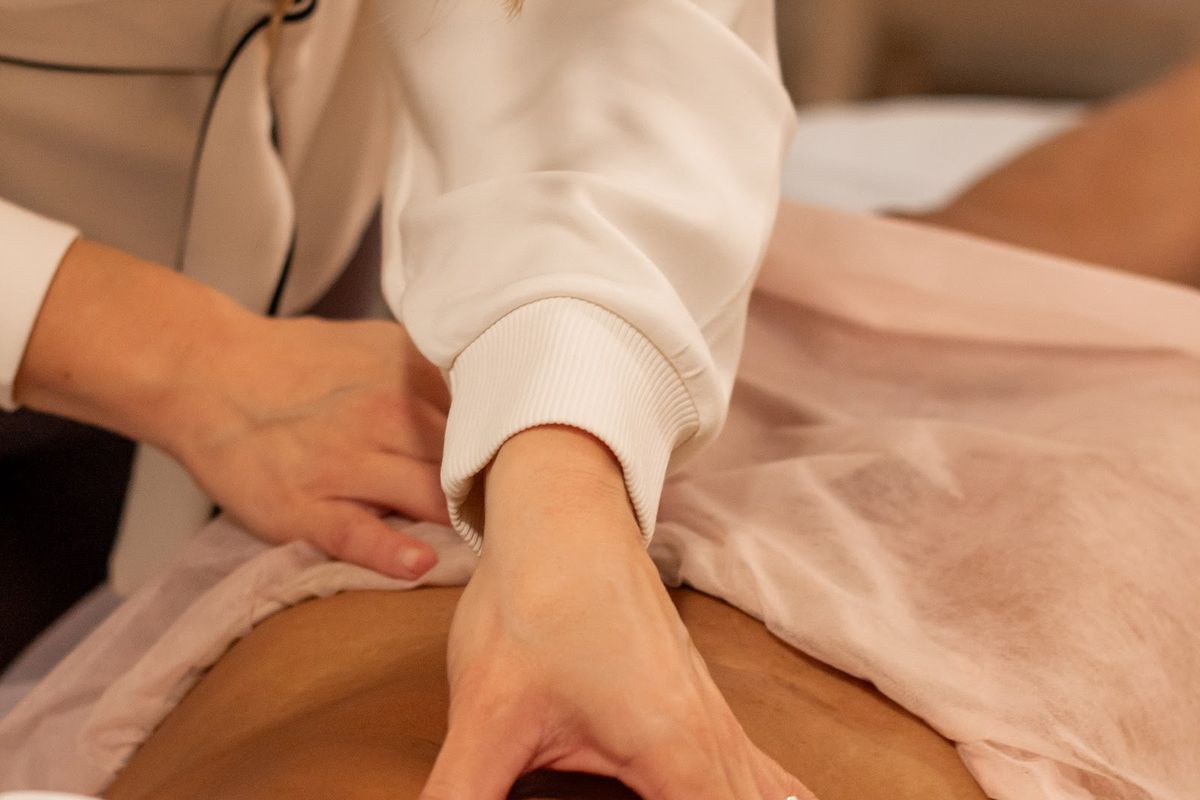
The most recommended techniques are:
- Superficial heat therapy: heat packs, mud, warming creams or infrared lamps are applied to external areas such as the lower back, sacrum, groin, pubis or buttocks. High temperatures ease pain and the feeling of tension. It’s important to rule out any inflammation in the pelvic region first, as heat could increase it.
- Perineal myofascial techniques: for example, perineal massage, which is taught in clinic so the patient can repeat it at home every day. The aim of the massage is to make any perineal scars more flexible and reduce tension in the vaginal walls.
- Internal pain-relief electrotherapy: vaginal electrical stimulation with vaginal probes and muscle relaxation programs.
- Vaginal dilators: used to stretch the vaginal walls internally and improve their proprioception and relaxation for penetration. It’s best to use a water-based lubricant with hyaluronic acid for this type of treatment. It will make inserting the dilator easier and reduce the feeling of pressure and discomfort.
- Lower back massage: reducing tension in the lower back muscles and the whole back of the pelvis improves pain in the perineal region.
- Sacral pumping techniques: pressure is applied to the sacrum toward the patient’s feet, coordinated with her breathing. After this treatment, there is a noticeable decompression of the sacrum and spine and relief of muscle tension.
If you have any questions about these treatments, get in touch and I’ll be happy to help.
Before starting treatment for vaginal pain
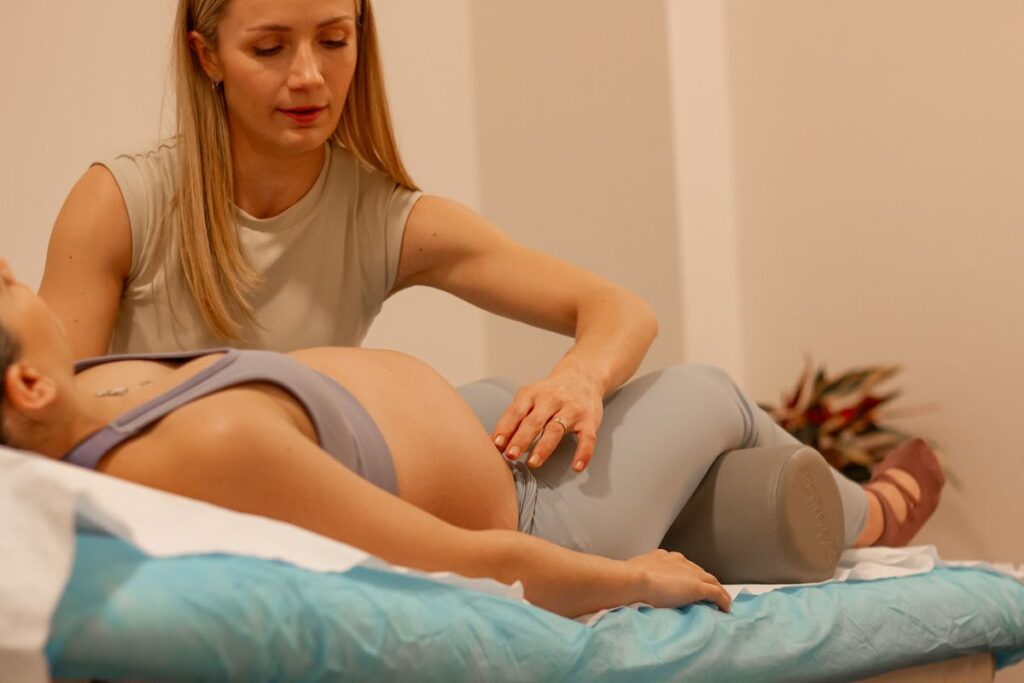
Before starting training at home or treatment in clinic, you need a prior assessment of your pelvic floor to determine the type of dysfunction and the most suitable therapy for each case. In it we can check how much the birth and any trauma during it, such as an episiotomy, perineal tear, use of instruments or breath-holding while pushing, may have affected the perineum.
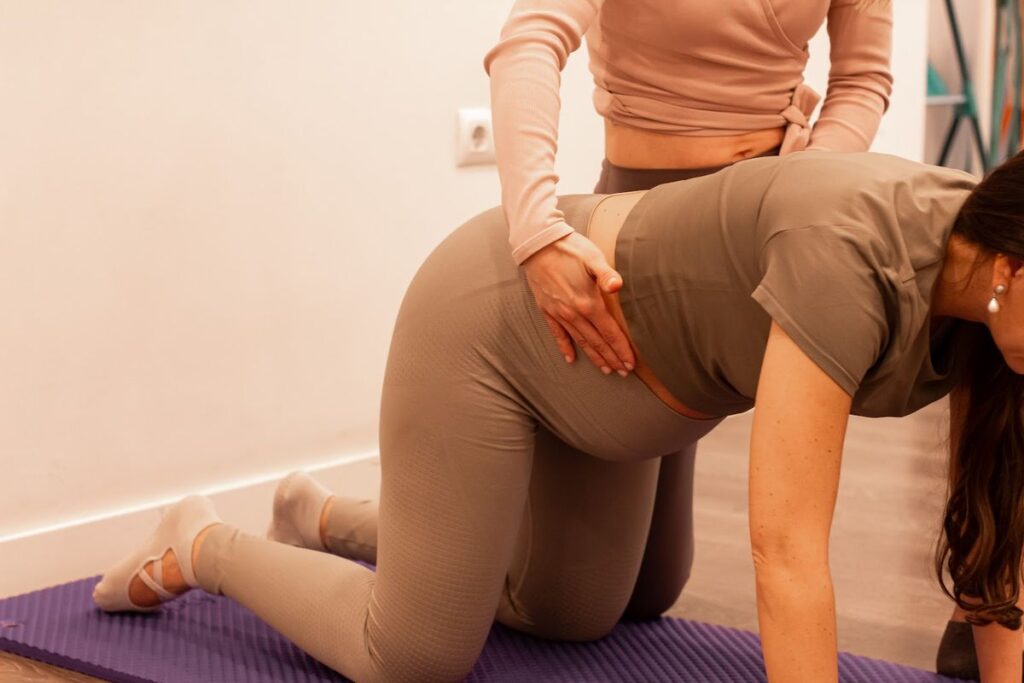
It’s essential to do the right exercise during pregnancy to avoid vaginal pain as much as possible and prepare the perineum for birth. The key elements of this preparation are toning the pelvic floor to prevent injuries, doing perineal massage from week 33 of pregnancy, stretching the pelvic floor with the Epi-No device from week 37, and practicing breathing and physiological pushing that is less harmful to the mother.


You don't have to live with pain: we're here to listen in Valencia
We look for its muscular origin and treat it with physiotherapy for vaginal pain, always alongside your gynecologist. Can’t come to Valencia? We also see patients in an online consultation.