Why you should write a birth plan and how to make sure doctors respect it



Article content

The way women give birth has changed over the centuries. Medical and clinical advances are more than obvious, but they haven’t been the only changes. Especially in recent years, the ‘human’ side of birth has become a trend, with the woman in labor able to make certain decisions about the process, as long as her medical situation allows it. The document in which mothers set out how they would like this very important moment to go is called a ‘birth plan’, and below I’ll explain what it is, how to write one and why I recommend it.
What is a birth plan?
Thoughts about what the birth will be like usually speed up in the third trimester. During this period, the midwife or obstetrician will often tell you about a document called a birth plan and encourage you to fill it in and take it to the hospital on the day the baby is born. But what is it and what should it say?
The birth plan is a written document in which the pregnant woman can express her preferences and wishes about the birth, her needs during the postpartum period and what she doesn’t want to happen under any circumstances throughout the process.
Not all hospitals have the same protocol, and even the medical professionals working in the same hospital may care for women in labor in different ways. Having a birth plan gives us the chance to set out the protocol we want to be cared for under. It’s a tool that brings visibility to problems that are still very common in delivery rooms, such as not being allowed a companion, the still common obstetric violence, the use of manual maneuvers that are not advised, etc.
How do you write a ‘textbook’ birth plan?

In Spain, the most official guide is the one drawn up by professionals at the Ministry of Health, and it can be downloaded from the Ministry’s website. The organization ‘El Parto Es Nuestro’ also offers a downloadable birth plan to fill in. As well as answering questions about the pregnant woman’s wishes and preferences, you can add comments and notes about any concerns you have about the birth.
The birth plan is aimed at women who want to give birth vaginally, those who already have an exact date for induction of labor, and all women who want to give birth by cesarean. You’ll also find the same birth plan in the pregnancy record booklet (provided by professionals working in the public health system, at the hospital or health center).
What goes in a birth plan?
The document is an extensive guide with questions about how we want our birth to go. The most important aspects to think about carefully and include in our birth plan are:
Pain management during labor
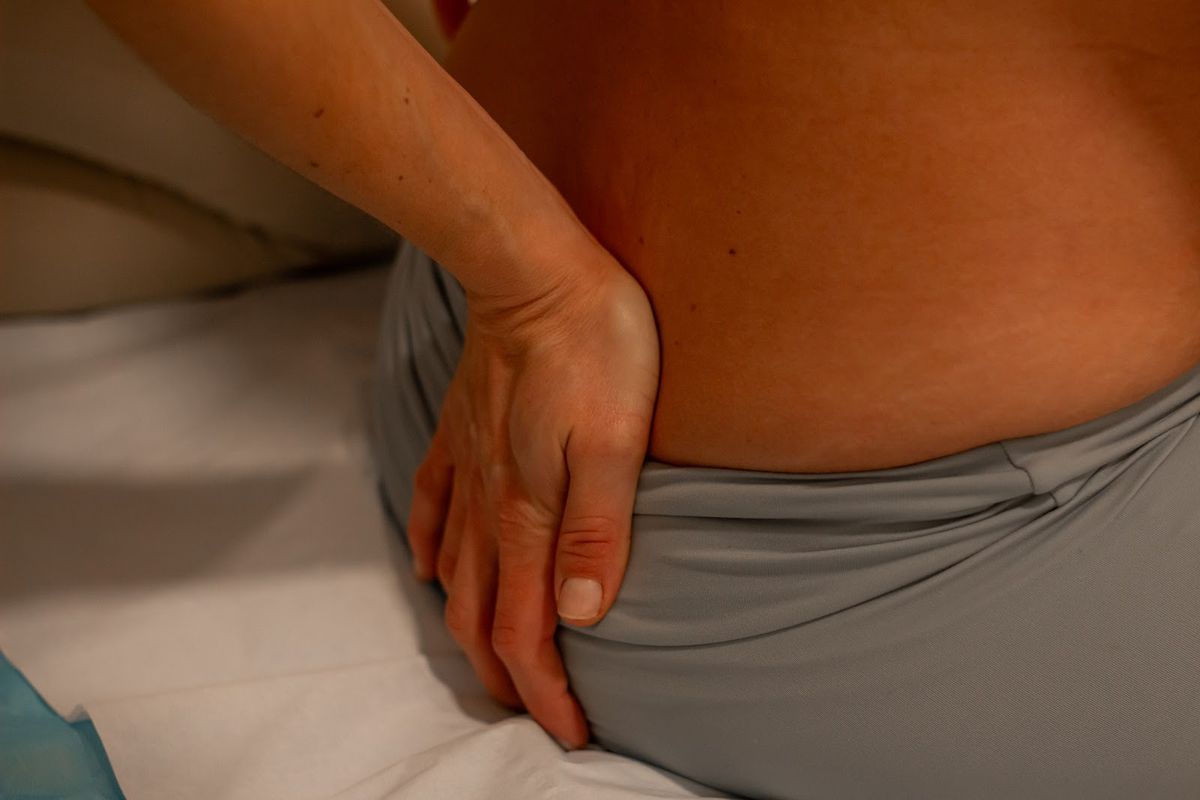
In this section we should state whether we want to give birth without pain medication or, on the contrary, want as much pain relief as possible. There’s a whole range of remedies for easing pain without medication, for example: getting through contractions in a bath, asking for acupuncture, freedom to move, heat, massage, access to a Pilates ball or birthing stool, etc.
Medical practices during labor

In a vaginal birth, the woman has the right to push when she wants to. Spontaneous pushing is done by the woman during the pushing stage and is triggered by a strong urge to push. It’s not advisable for the woman to push before full dilation, nor to do directed pushing (instructed by the medical staff). Sometimes an epidural reduces sensation and the midwives tell the woman when to push. This technique is less natural and shouldn’t be used routinely.
An episiotomy is the vaginal cut made by the obstetrician at the moment of crowning during the pushing stage. The aim is to widen the vaginal canal to let the baby through. Episiotomies should only be done when the baby’s life is at risk, when a third- or fourth-degree tear is suspected, or when the pushing stage is prolonged. In other cases, when the birth is progressing without complications, an episiotomy shouldn’t be done routinely.
The cut affects the pelvic floor muscles and can cause dyspareunia, chronic pelvic pain and postpartum urinary incontinence. So it should only be done in the cases mentioned above, and it’s advisable to state in your birth plan that you don’t want a routine episiotomy.
The position in which we want to dilate or push is another important factor in a good birth. During dilation, it’s essential for the woman to be free to move: to walk around the room, use the Pilates ball for pelvic movements, keep changing positions so the contractions are more bearable… In the pushing stage, the woman should avoid lying on her back, as it’s the least physiological position for giving birth. Lying on your side, sitting or being on all fours are the most beneficial physiological positions for birth.
After the birth

Birth is a unique, intimate moment, and the first hours after giving birth should be respected for mother and baby. In the immediate postpartum period, the mother should be allowed contact with her baby through skin-to-skin, eye contact, smell, sound and the sucking reflex. These first moments are essential for creating the mother-baby bond and are important for stimulating breastfeeding.
Bright lights, noise and medical checks could interrupt this and cause stress for both mother and baby. If there’s no need for medical procedures in the first hours, contact should be allowed and the new family’s privacy respected. The umbilical cord should be cut once it has stopped pulsing. It can only be cut earlier when there’s justified evidence. If the mother wishes, she or her companion can cut it. It’s not advisable to bathe the newborn in the first hours of life; this can be postponed for up to two days after birth. If it needs to be done earlier, the mother’s consent will be requested.
To understand everything a birth plan includes and know what we want to choose for the day our baby is born, I recommend going to birth preparation classes. The information provided by health professionals specializing in obstetrics is essential to guide us on all the techniques that are and aren’t allowed.
Good birth preparation should include physical activity, specific pelvic floor exercise, perineal massage, practicing dilation exercises with the Pilates ball, practicing pushing and theoretical information about the postpartum period and breastfeeding.


Prepare for your birth at our clinic in Valencia
We support you throughout your pregnancy with physiotherapy for pregnant women, adapted to each trimester and your situation. Can’t come to Valencia? We also see patients in an online consultation.