What is the minimum recovery time your body needs after giving birth?



Article content
When it comes to recovery after giving birth, there are a number of myths and popular beliefs that are far removed from the medical and scientific reality we professionals know. The one that circulates most on the internet, and even by word of mouth among women out of lack of knowledge, is that after giving birth six weeks is enough to recover physically. False. Apply some logic: what took 9 months to transform can’t go back to its previous state in 6 weeks. So how much recovery time does your body need after giving birth?
Beyond the first few weeks, the body keeps adapting for months, and in some cases for up to a year. This directly affects your comfort and how you experience everyday things such as sex, sport or using period products…

In reality, the answer would be “it depends”, because every woman prepares for birth with a different intensity and every birth is different. But I’m going to try to give a general, approximate answer on how to recover after giving birth, along with some advice based on my experience with real patients who trust me for an effective postpartum recovery.
Tips for an effective postpartum recovery
1. Tissues need at least 12 months to recover after birth, whether vaginal or by cesarean.
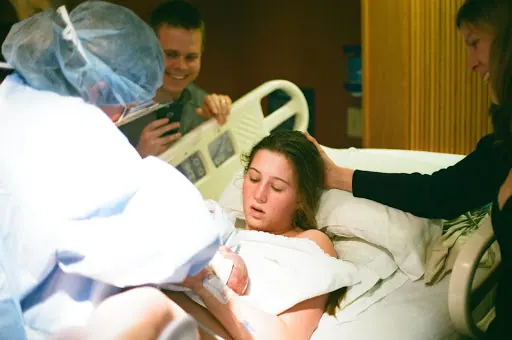 Yes, that’s the reality. During a vaginal birth there is a great deal of stretching of the muscles and ligaments, the fascia is stretched, and the soft tissues are damaged if there is a tear or an episiotomy… In a cesarean, the skin, muscle layers, abdominal fascia and uterus are cut… This means a long recovery at cellular level and the formation of new tissue: the scar. We can recover the strength of the pelvic floor and abdominal muscles before a year has passed if we put ourselves in the hands of professionals, but full recovery will take longer.
2. Postpartum recovery isn’t always linear.
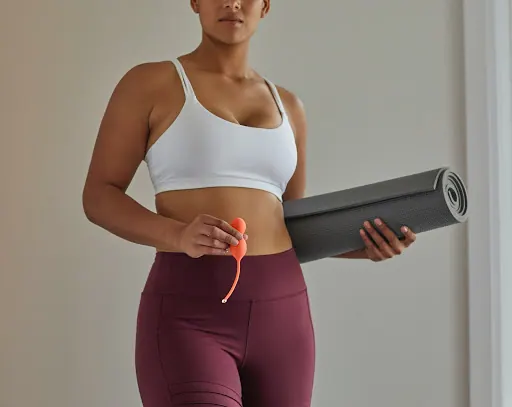
In this long process of tissue regeneration after birth, there are very likely to be ups and downs. Many women notice in the first weeks postpartum that their body is gradually getting back to “how it was before” and they manage to strengthen the muscles that changed so much during pregnancy. But a few months later they feel worse again: symptoms of urinary incontinence suddenly get worse, they feel they can’t make progress with their training, they suffer from lack of sleep and physical exhaustion… And on top of all that, they have a baby to look after.
That’s why it’s essential that every mother is supported by a professional during her physical recovery. Exercise must be suitable and designed for each patient: avoid “one-size-fits-all” routines and get personalized training. This is about your health and quality of life for years to come, not about going to the gym for a few months to look better in summer. Don’t cut corners.
The first step is the postpartum assessment. It’s necessary in every case, whether or not we suspect pelvic floor dysfunction. From there, your physiotherapist will know whether a normal effort will be enough to get back in shape, or whether more work is needed because they’ve found a problem during the assessment.
3. Postpartum recovery isn’t a competition.
Every woman wonders how to recover quickly after giving birth, as the current trend seems to be to get a flat tummy back as soon as possible. Images of marathon-running mothers on social media create even more pressure, along with the false idea that postpartum is “easy” and that those results are just around the corner.
Training hard in the first weeks after birth while breastfeeding and being on call for your baby are hardly compatible. If birth requires a plan, postpartum needs one even more. Gynecological physiotherapy specialists will guide us on how to manage our time, which types of exercise to prioritize, how to rest so we have energy and, if needed, will provide specific treatment to help our recovery. We should follow these guidelines:
- In the first days postpartum, prioritize feeding, whether breast or bottle. If you need help, make an appointment with a midwife who specializes in breastfeeding. You should feel comfortable feeding your baby and practice with someone who can give you advice.
- Sleep as much as you can, even if it’s only a few hours or at times of day that feel “strange.” Lack of sleep triggers the release of the hormone cortisol, which will hinder your physical recovery.
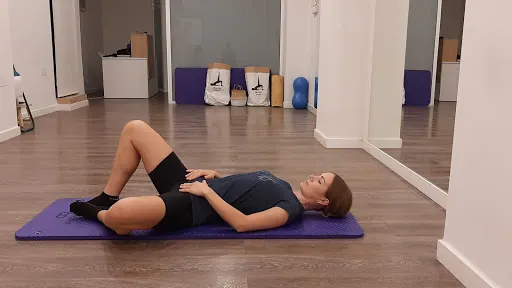
- Connect with your body. The first exercises you should do are deep breathing, pelvic floor activation coordinated with your breathing and gentle core contractions.
- Think long term. Forget about planks, push-ups or running in the first months postpartum. Listen to your body and respect its needs.
- If you have vaginal pain from an episiotomy or tear, or discomfort in your cesarean scar, don’t start training. Focus on easing the pain first. You may find this article helpful: How to relieve vaginal pain with gynecological physiotherapy treatments.
- Once you can control your breathing and feel your core and pelvic floor activate, you can start training.
4. Planks, squats, lunges, hypopressives… where do you start?
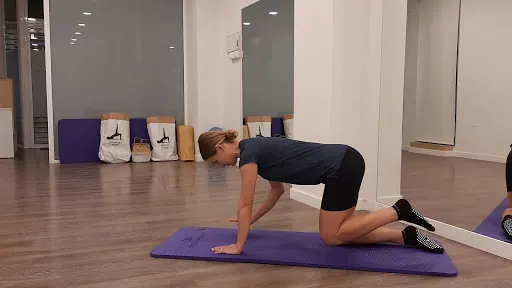
Every case needs a personalized training plan. We have to accept that ready-made exercise routines found on the internet won’t always work for our case. Women who have had a cesarean should start with mobilizing the abdominal scar, diaphragm massage, deep abdominal contractions coordinated with breathing, and Kegel exercises. Little by little, exercises in inverted positions (on all fours) and on unstable surfaces are added, and finally hypopressives.
Women who have had a vaginal birth should prioritize the perineum and pelvic floor. The first thing is to treat the perineal scar, make it more flexible and increase lubrication in the vaginal canal. If you’re wondering when to resume sex after giving birth, you shouldn’t feel any pressure to do so as soon as possible. First, focus on self-exploration, eliminating anything that could cause pain.
The first exercises are long, sustained Kegel contractions to increase local circulation, followed by fast contractions at maximum strength to improve the perineal reflex. If needed, treatment with biofeedback and vaginal electrical stimulation is applied. Gradually, hypopressive training is introduced to reduce abdominal pressure and create a “suction” effect in the pelvis. All these exercises will help you recover after a vaginal birth.
The exercises we introduce in the second month postpartum target the abdominal wall: half planks, exercises on unstable surfaces, the elliptical, squats without external weight… From the sixth month we can introduce low-impact cardio and more intense toning exercises. Always very carefully, bearing in mind that any postpartum injury can come back.
5. And if genital prolapse, abdominal diastasis or incontinence appears… what do we do?
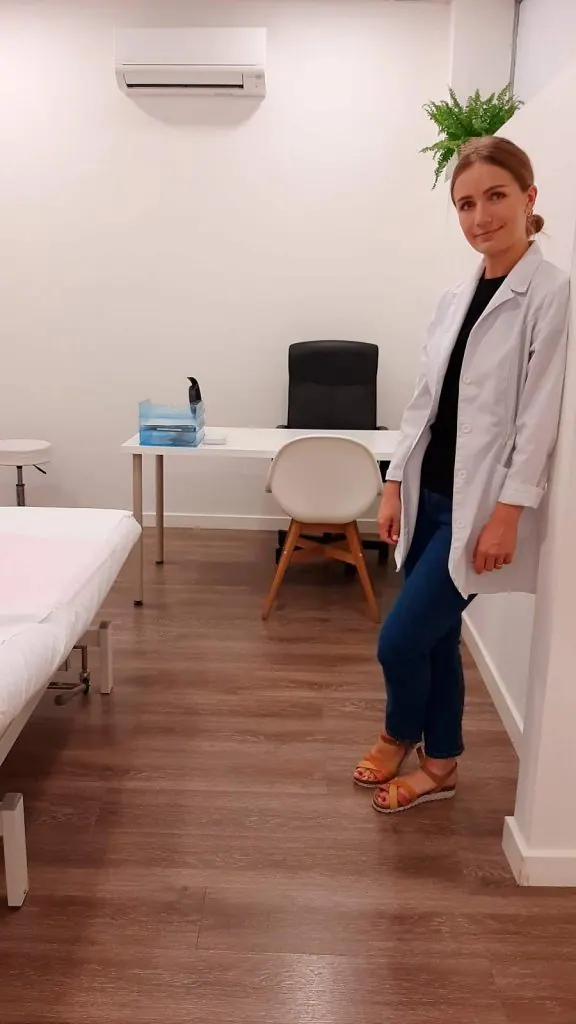
Let a specialist guide you. Injuries resulting from pregnancy and birth should be treated as soon as possible, that is, from the first weeks after giving birth. After a cesarean, we need to wait a month before carrying out a physiotherapy assessment of the abdomen and pelvic floor. After a vaginal birth, we wait a couple of weeks. These dysfunctions need specific treatment, which usually includes:
- Biofeedback and vaginal electrical stimulation to learn to “find” the pelvic floor muscles and strengthen them.
- Diathermy treatment to help the linea alba in the abdomen regenerate.
- Specific exercises with perineal control.
- An exercise plan designed for each patient to do at home.
- Exercises on the proprioception board.
- Kinesiology taping for abdominal diastasis during the session.
If you’d like to start a personalized plan for your recovery after pregnancy, don’t hesitate to get in touch or book an appointment. We’ll help you and recommend the best exercises for your situation!


Recover after giving birth in Valencia
We see how you’re doing and support you at your own pace with postpartum physiotherapy, whether you had a vaginal birth or a cesarean. Can’t come to Valencia? We also see patients in an online consultation.