
How to relieve vaginal pain with gynecological physiotherapy treatments



Article content
Vaginal pain is more common among women than it seems. It can occur especially in women who have had births with an episiotomy and/or perineal tear, who have frequent urinary infections, or who have given birth by cesarean and have adhesions in the abdominal scar. In fact, one in five women who have given birth vaginally has vaginal pain for a period of time and, unfortunately, very few patients receive information about the cause of the pain and the right treatment.
But it isn’t only pregnancy and birth that can trigger this condition: some patients have vaginal pain caused by increased tone in the pelvic muscles.
Patients with chronic vaginal pain are usually given medication, when in many cases the discomfort actually comes from pelvic floor muscle dysfunction. That’s why medical and physiotherapy diagnosis is essential to get the right treatment.
How do I know if I have chronic vaginal pain?
Vaginal pain affects the whole vaginal and perineal region. Patients feel discomfort at the entrance to the vagina, on the side walls and on the back wall. The pain is very rarely felt on the upper wall of the vagina. Sometimes the discomfort spreads downward to the perineum and anus.
If the pain lasts more than a week and doesn’t ease, it’s a sign that we should see a specialist and have the appropriate tests. In the physiotherapy assessment, tests are done with vaginal biofeedback to assess muscle strength, the ability to relax the pelvic floor voluntarily, the elasticity of the vaginal walls and the elasticity of any scars. The physiotherapist will then give guidelines on the right treatment and/or exercise to reverse the symptoms.
The most common symptoms of chronic vaginal pain are:
- Discomfort at the entrance to the vagina and on the vaginal walls.
- Pain on touch (when washing, inserting a tampon or menstrual cup, or during gynecological check-ups).
- Pain during or after sex.
- Narrowing of the vaginal canal (a feeling that the vagina is tighter).
- Lower back pain.
- Urine leakage on the way to the bathroom.
What are the most common causes of vaginal pain?
The genital area is the most pain-sensitive part of the female body. The vaginal and anal lining, the perineum, the pelvic floor and the pelvic organs are very sensitive structures, and any change in the structure of these tissues can cause pain. Among the various causes of vaginal pain, the most common are:
- Perineal scars after episiotomies or tears during vaginal births.
- Hypertonia (increased muscle tone) of the pelvic floor.
- Endometriosis (nodules of endometrial tissue settle in the pelvic areas, which have many nerves, causing inflammation and adhesions).
- Interstitial cystitis.
- Pudendal nerve entrapment.
- Estrogen deficiency (typical in menopause and in the reproductive years, or due to hormonal changes).
How pelvic floor physiotherapy treats vaginal pain
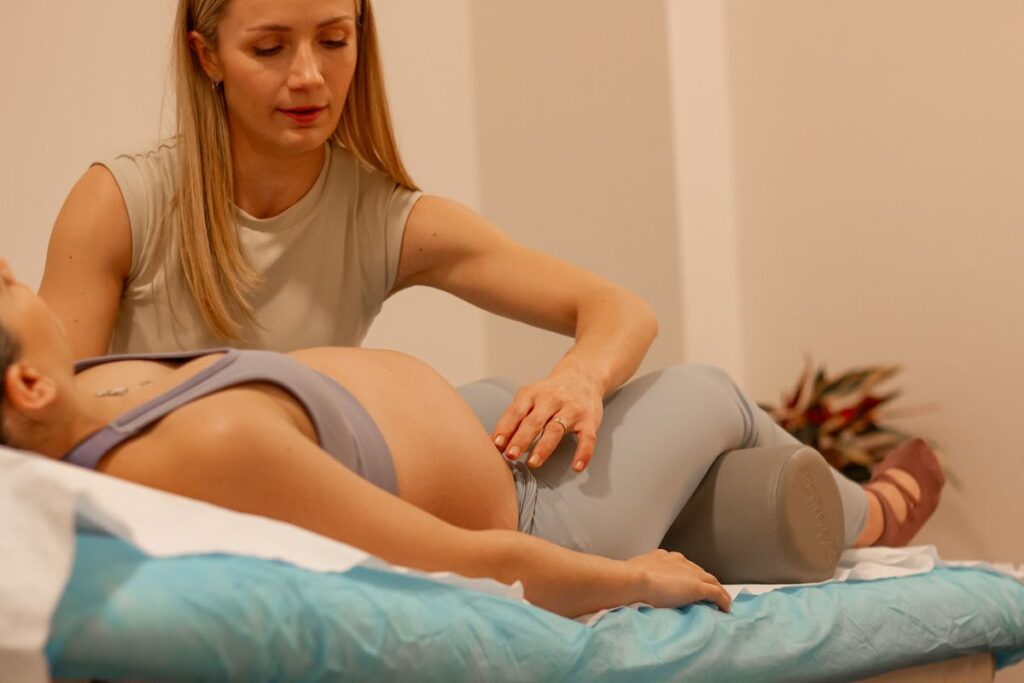
In most cases, patients with chronic vaginal pain end up at a gynecological physiotherapy clinic, because medication doesn’t usually provide long-term solutions.
After an assessment and study of the pelvic floor, rehabilitation is planned. It’s usually different in each case and needs personalized treatment.
Physiotherapy techniques for treating vaginal pain are based on perineal stretching to improve the flexibility and tissue health of the vagina. Sessions with electrical stimulation are also done, using a specific muscle relaxation program. The aim of using electrical stimulation in these cases is to reduce muscle tension around the vagina and anus.
In patients with endometriosis, treatment also includes manual techniques, via the abdomen and the vagina, to make the uterine ligaments more flexible, reduce tension in areas of adhesion and improve the elasticity of the lumbopelvic fascia. As you can see, there are many areas to work on, so treatments must be individualized and adapted to each patient.
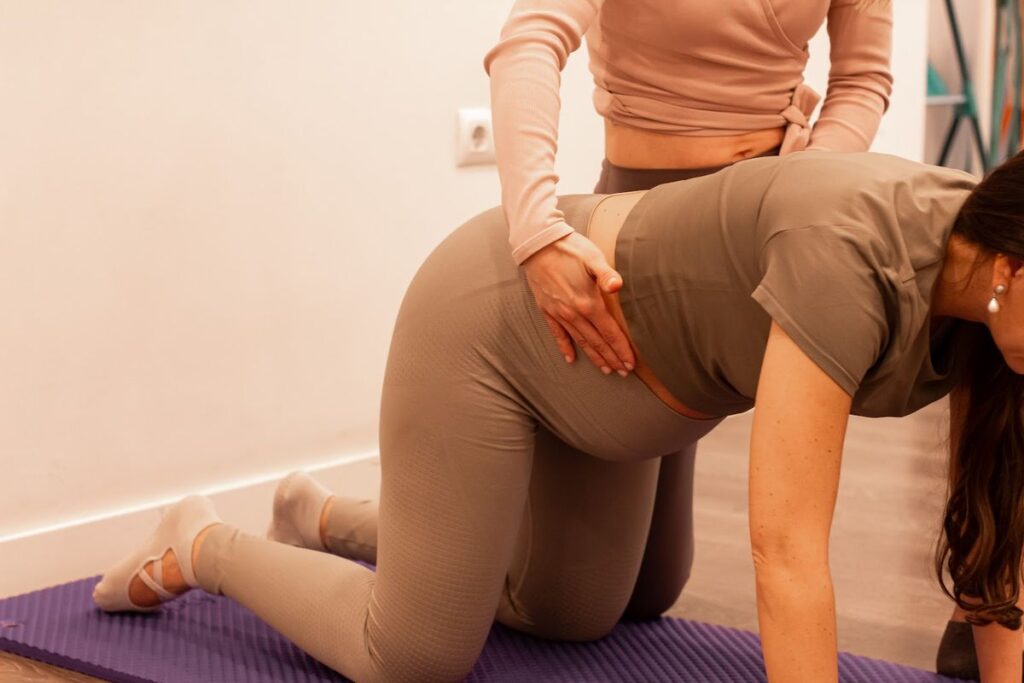
Postural re-education also plays an important role, as the pelvic floor muscles are closely linked to the abdominal and spinal muscles. Increased tension in the pelvic floor often weakens the abdominal wall and postural muscles, so most patients need to practice postural correction exercises and tone their core muscles.
The most recommended exercises are:
- Instability exercises (with a proprioception board, BOSU, fitball or on unstable surfaces).
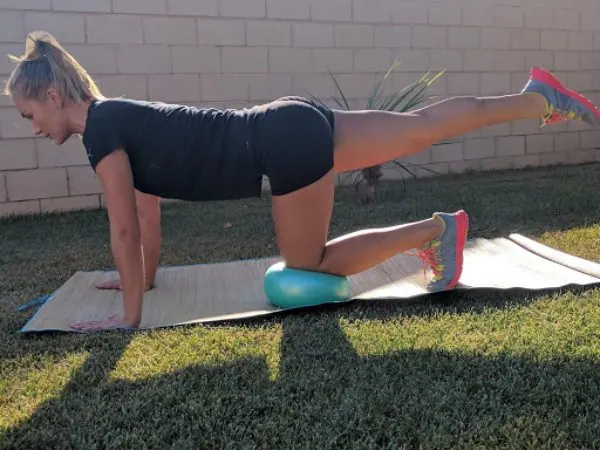
Photo 1: instability exercise
- Hypopressive exercises.
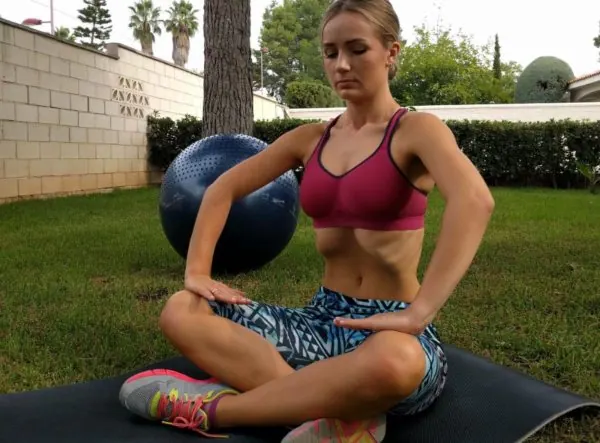
Photo 2: hypopressive exercise
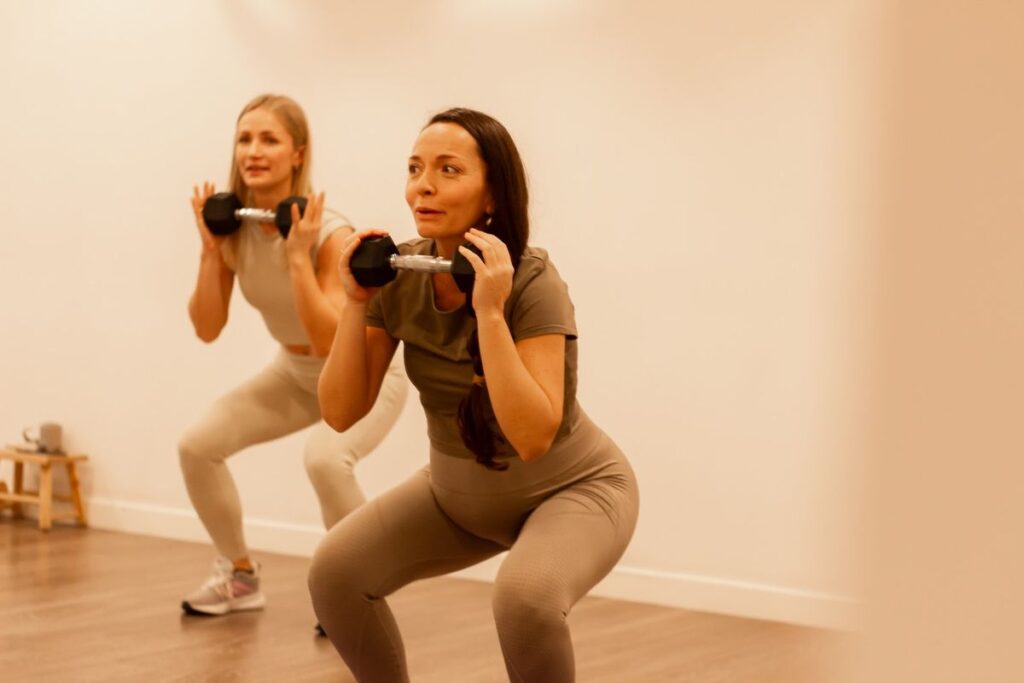
- Pilates exercises (avoiding any exercises that increase abdominal pressure).

Photo 3: Pilates exercise
Which exercises or risk factors should I avoid to prevent vaginal pain?
There are certain risk factors and very common types of training that, if done constantly, can encourage vaginal pain. These are:
- Crunch-type abdominal exercises.
- High-impact activities with jumping.
- Running, especially long distances.
- Constipation.
- A sedentary lifestyle and smoking.
- Obesity.
- A chronic cough.
Which pelvic health products should I use for vaginal pain?
Alongside professional medical help, it’s recommended that the patient also uses certain pelvic health products to reinforce the effect of treatment.
In women with vaginal pain, it’s essential to keep the perineum and vaginal lining well moisturized. To combat dryness, itching, stinging and discomfort in the genital area, water-based lubricants are recommended daily, as well as other feminine hygiene products such as rosehip oil.
In addition, intimate massagers are recommended for vaginal pain caused by vaginismus or pelvic floor hypertonia. These silicone devices are used to gradually stretch the tissues and pelvic muscles.
Want an effective solution for your vaginal pain? Book your appointment now!


You don't have to live with pain: we're here to listen in Valencia
We look for its muscular origin and treat it with physiotherapy for vaginal pain, always alongside your gynecologist. Can’t come to Valencia? We also see patients in an online consultation.