Pilates for the pelvic floor: recommended exercises and ones to avoid



Article content
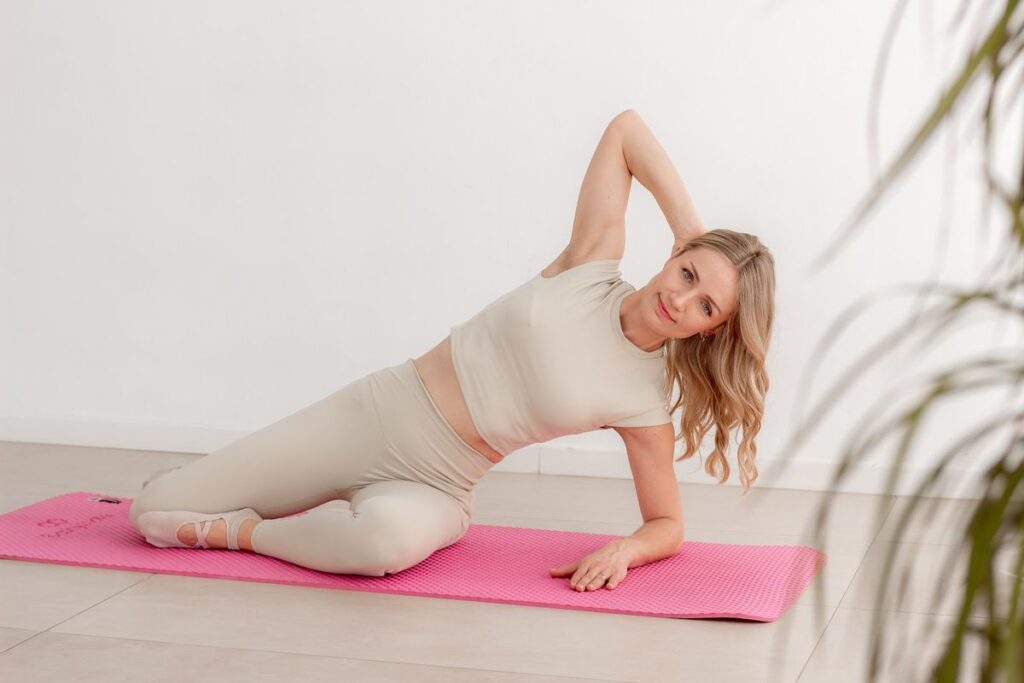
The Pilates method is based on exercises that strengthen and tone the postural muscles (deep muscles) and improve the elasticity of the superficial muscles.
Pilates is generally associated with exercises that help rehabilitate injuries to the spine and joints, but the method has more benefits, such as pelvic floor rehabilitation, since the pelvic floor is one of the deep muscle groups.
However, not all Pilates positions and exercises are good for the pelvic floor. In fact, some positions and activities harm the pelvic floor and could make urinary incontinence and other pelvic floor injuries worse.
Can I do Pilates for the pelvic floor? It depends on your condition
All types of Pilates exercises
Having strong pelvic floor muscles, whether because you’ve never been pregnant or had surgery in the perineal or abdominal area, means you can do all types of Pilates exercises for the pelvic floor.
But how many women have a 100% healthy and strong pelvic floor? Our lifestyle, stress, sitting for many hours, frequently carrying heavy things, smoking… All of this harms the condition of our pelvic floor and could weaken it.
If you’re not sure your pelvic floor is in good shape, and in my experience not all young women’s are, talk to a professional before doing Pilates. After an overall assessment, you can start working your body according to your individual needs.
So the following can do Pilates without restrictions:
- Women with a well-toned pelvic floor, in theory those who haven’t been pregnant, haven’t had gynecological surgery and aren’t in menopause.
Only some Pilates exercises
90% of the work in Pilates for the pelvic floor is core activation, which mainly means contracting the transverse abdominis. In theory, activating it poses no risk to the pelvic floor. In fact, it helps lift all the internal organs (including the pelvic floor). The transverse abdominis and pelvic floor work in synergy: when one contracts, the other works involuntarily.

Unfortunately, there are many pelvic floor exercises that are very good for working the deep corset of the trunk but dangerously increase intra-abdominal pressure. So it’s important to know the risk cases in which these intensive exercises could damage the pelvic floor:
- Women with weak pelvic floor muscles diagnosed by a gynecologist or a specialized physiotherapist.
- Women who don’t contract the transverse abdominis correctly.
- Pregnant women and those in the early postpartum period.
- Women who have had a hysterectomy.
- Women with genital prolapse.
- Women who have had bladder surgery.
- Women in menopause.
- And women with pelvic floor hypertonia, diagnosed by a gynecologist or a specialized physiotherapist.
Pilates exercises that can harm your pelvic floor
These are the main Pilates exercises not recommended for the pelvic floor.
1. Roll Up
It’s done lying on your back with your arms stretched back. It consists of rolling your spine forward (one vertebra at a time) until your trunk is folded over your legs.
2. The hundred
Lying on your back, you lift your straight legs until they form a 90º angle with the floor. At the same time, to increase the abdominal work, you lift your head and neck.
3. Crunches with raised legs
Lying on your back, legs raised and bent at a 90º angle, you lift and lower your head.
4. The scissors
Lying down with your head raised, bring your straight legs toward the ceiling. Hold one leg with both hands and bring it toward your chest, while lowering the other leg until it almost touches the floor.
If we add vaginal cones to pelvic floor exercises, we’ll help strengthen the pelvic floor muscles.
Adapting exercises for the pelvic floor
These exercises can be adapted in common ways so you can do them safely:
- Become aware of your pelvic floor so you know how to activate it when intra-abdominal pressure increases. It’s recommended to contract these muscles in every movement in Pilates for the pelvic floor. Knowing where it is and how to activate it is essential before you start.
- Avoid exercises that activate the rectus abdominis. Activating the rectus muscles increases abdominal pressure and pushes everything down toward the pelvis. Doing traditional abdominal exercises can weaken the pelvic floor or even cause genital prolapse.
- When doing the exercises, avoid holding your breath. Keep breathing deeply, with longer out-breaths than in-breaths, to activate the core and reduce abdominal pressure.
- And finally, avoid exercising with a full bladder.
Finally, if you have any questions, leave a comment and I’ll answer. Together we can add more information on this topic.


Get your pelvic floor checked in Valencia
Something doesn’t have to go wrong: with a pelvic floor check-up we see how it is and what you should do. Can’t come to Valencia? We also see patients in an online consultation.