
How to prepare your pelvic floor for a vaginal birth without injuries



Article content
Pregnancy and vaginal birth, however common they may seem, are the main risk factors for pelvic floor dysfunction and abdominal muscle problems. A large percentage of women who have given birth vaginally experience some kind of dysfunction related to the abdominal and pelvic muscles during the first year postpartum, especially those who did no preparation of their pelvic floor.
The postural, biomechanical and hormonal changes that happen during pregnancy can cause leakage of urine, gas or stool, genital prolapse, abdominal diastasis and a range of other dysfunctions that affect the mother’s daily life.
According to the latest scientific evidence and medical advances, it’s recommended to start physical preparation for birth even before getting pregnant. In other words, pelvic floor preparation should be part of every woman’s training routine, especially those who plan to become mothers in the future.
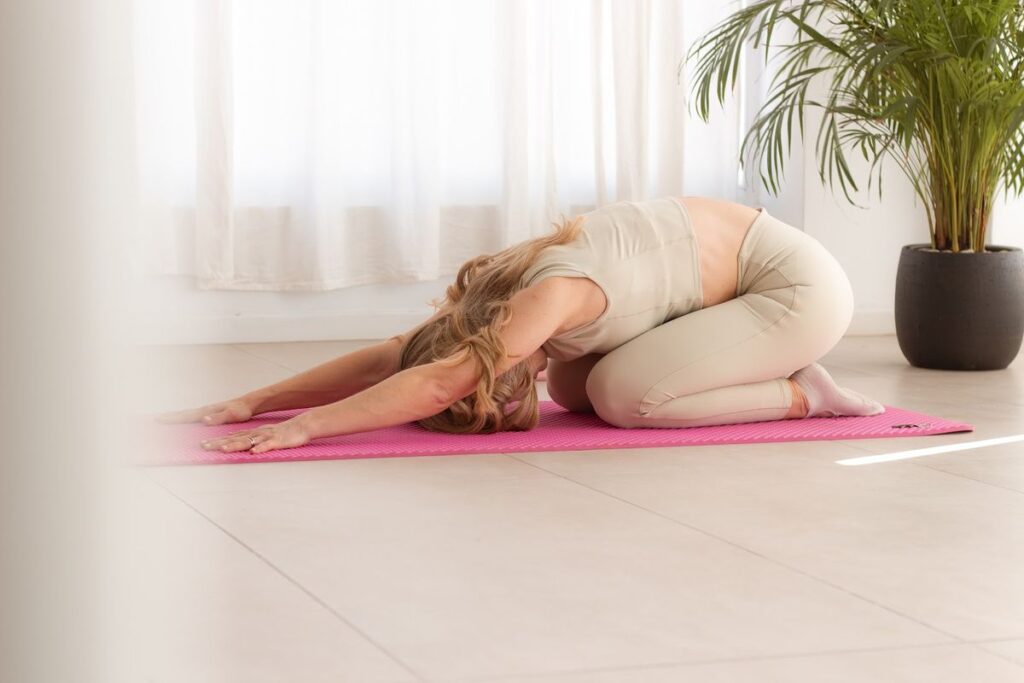
During pregnancy, physical work focuses on preparing well for a vaginal birth. Toning the pelvic and abdominal muscles, perineal stretches, breathing exercises and pelvic mobility exercises make up a large part of what we practice in my birth preparation classes. The goal is to be as well prepared as possible for the moment of birth and avoid muscle damage in the perineal area during the pushing stage.
What does physical preparation for a vaginal birth involve?
The gynecological physiotherapy exercises and techniques used with pregnant women can be divided into 4 categories according to their goals.
-
Toning the pelvic floor
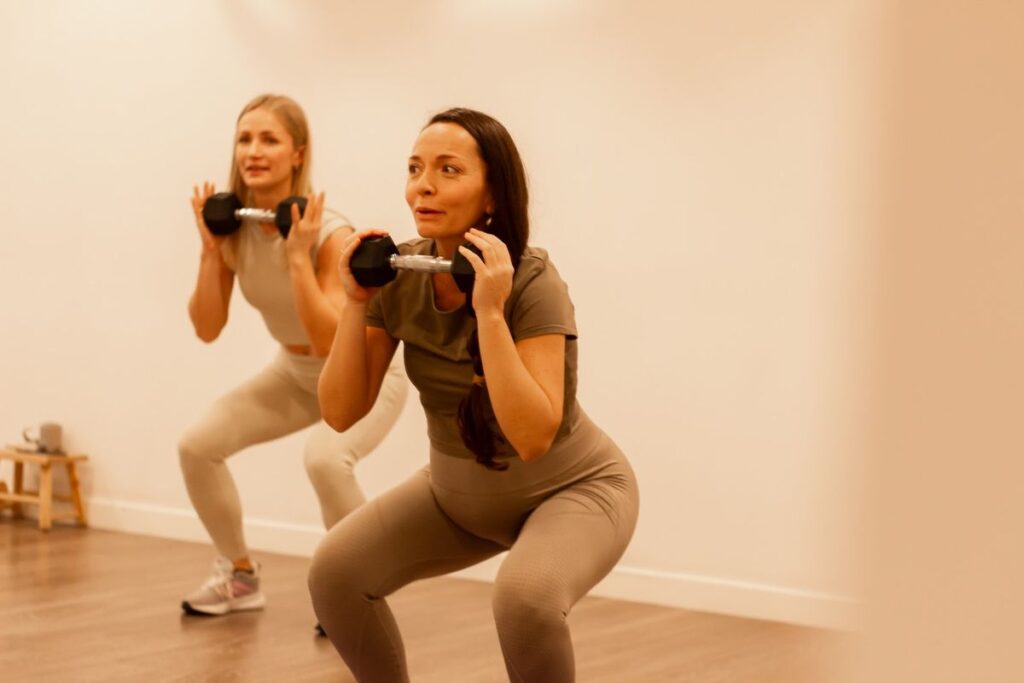
From the start of pregnancy we work on the pelvic and perineal area to strengthen the sphincters, with the aim of building muscle in this area. Throughout pregnancy, especially in the third trimester, the pelvic floor is greatly stretched because the bony pelvis gets wider. It also has to bear more weight: that of the uterus, baby, placenta and amniotic fluid. To prevent leakage of urine, gas or stool and descent of the pelvic organs, we do strength exercises based on the Kegel method, Pilates exercises, proprioception exercises and postural correction exercises.
The ideal frequency is three to five times a week, and pelvic floor training should last at least 30 minutes. We can use equipment such as small soft balls, large fitballs or a proprioception board, which will help us locate and activate the right muscles. We continue pelvic floor toning exercises until week 38 of pregnancy. From that week on, we stop doing strength exercises and focus on improving the elasticity of the tissues.
Pelvic floor toning exercise
Here’s an exercise with a large ball that you can practice in the first, second and third trimesters.
Sitting on the fitball with your feet hip-width apart, find the neutral position of your pelvis. To find it, place your hands on your sit bones (the bones under your buttocks) and rest your weight on them. Then lengthen your spine without losing contact with your sit bones.
Take a deep breath (opening your rib cage) and, as you breathe out, activate your pelvic floor, trying to lift it as much as you can. Imagine there’s a little ball inside your vagina that you want to lift (suck upward). That’s the feeling of the pelvic floor lifting. Remember not to activate your glutes. Repeat the movement 30 times.
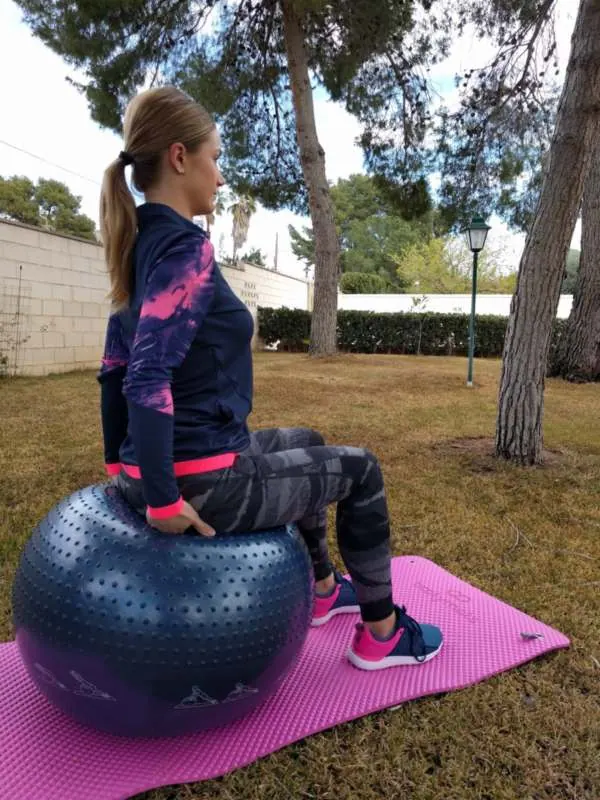
Photo: pelvic floor contraction on the fitball.
-
Toning the transverse abdominis
Many of you wonder whether it’s right to work your abdominal muscles during pregnancy. That fear of harming the pregnancy is one of the main reasons women give up sport during pregnancy. Fear of developing rectus diastasis postpartum also leads many to stop doing any abdominal exercise at all.
Yes, we should tone our abdominal muscles to prepare physically for birth, but we need to know which muscles to work so as not to harm ourselves. The most superficial muscles, such as the rectus abdominis or the external obliques, are the muscles we shouldn’t activate voluntarily during exercise. Contracting them could be dangerous, as it involves flexing the trunk. It also increases the risk of the rectus muscles separating postpartum.
We’ll tone the transverse abdominis throughout pregnancy, from week 12 until the end.
Good tone in the transverse abdominis helps to:
- Maintain an ergonomic posture.
- Reduce lower back pain.
- Prevent leakage of urine, gas and stool.
- Improve lumbopelvic stability.
- Make pushing more effective during the second stage of labor.
This last point is key to understanding why toning the deep layer of the abdomen matters so much. During the pushing stage, the deep abdominal muscles must contract to move the baby down. Women who have worked these muscles during pregnancy usually push more effectively and tend to have a shorter second stage of labor. In particular, women who choose to give birth with an epidural should work their transverse abdominis more often during pregnancy to make their pushing more effective.
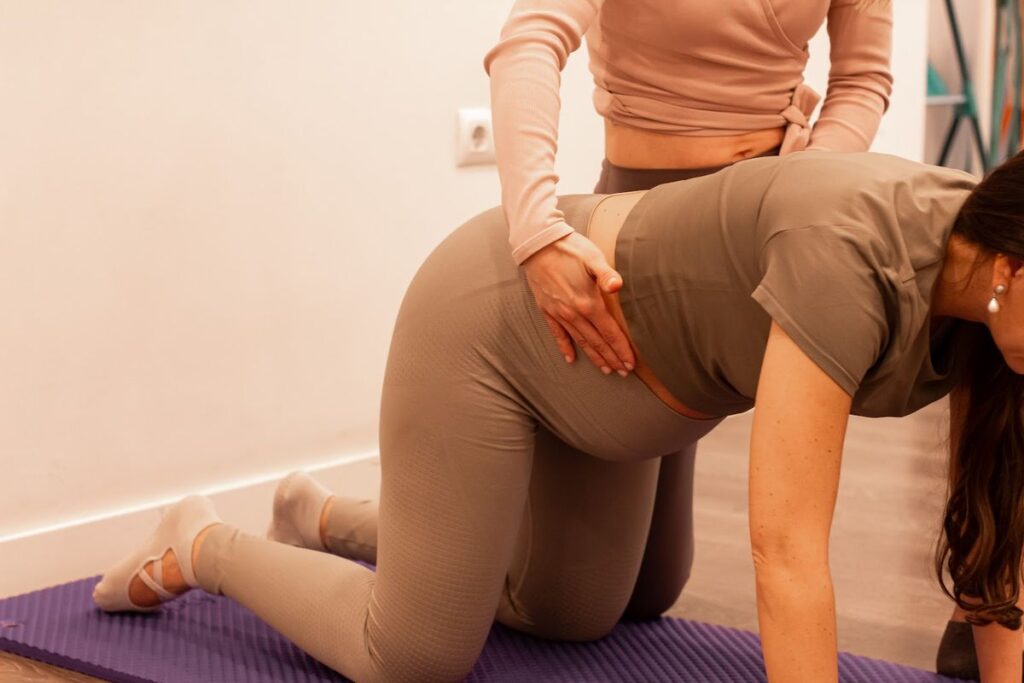
Activities that help work the transverse abdominis include Pilates, exercises with the spine and pelvis in neutral, walking often, swimming, yoga and exercises in inverted positions (on all fours).
Exercise to tone the transverse abdominis
One exercise you can do from week 12 of pregnancy is the side plank.
Lying on your side, bend your legs and lean on your forearm. Take a deep breath and, as you breathe out, engage your abdominal muscles (closing your ribs and drawing your abs in) and lift your hips until your trunk is raised. Breathe in as you lower your hips to the floor. Repeat 20 times on each side.
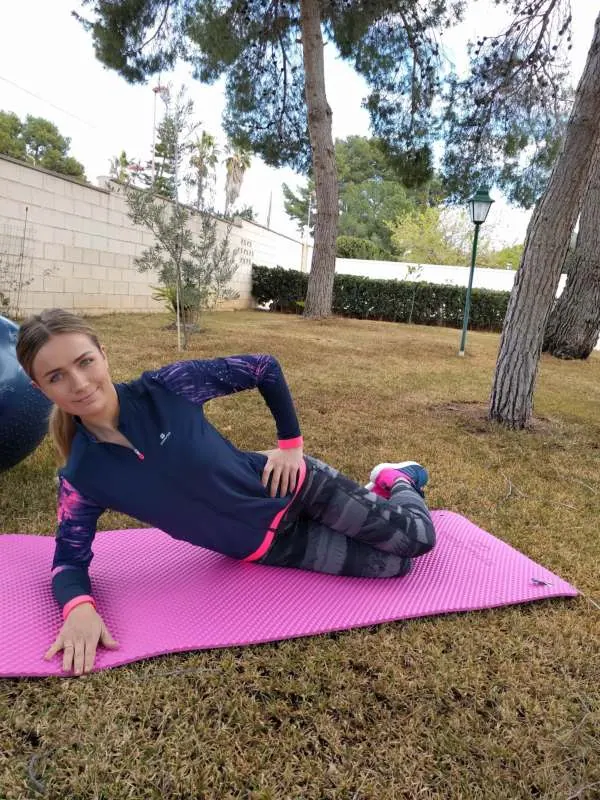
Photo: exercise for the transverse abdominis.
-
Improving the elasticity of the perineum
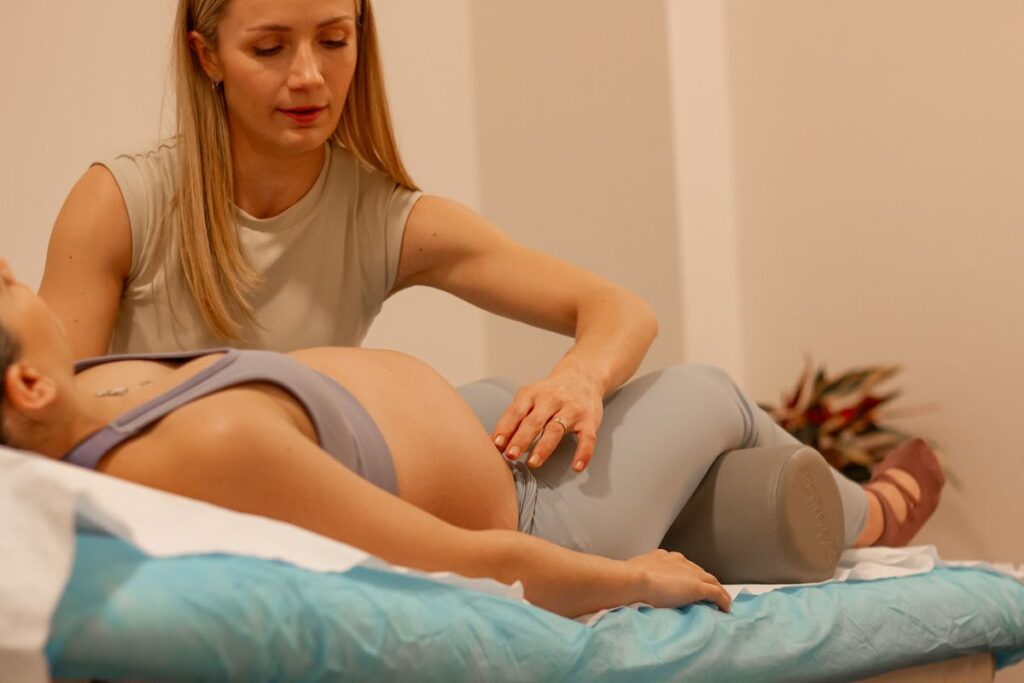
Together with toning the pelvic floor, improving elasticity is the key to preparing for the moment of birth. If we only toned the perineal muscles, we’d reach a point where they weren’t elastic enough to give way as the baby’s head comes out. Perineal massage should be part of every woman’s physical preparation for birth. See our guide on how to do perineal massage.
We start at week 34 of pregnancy (in first-time mothers) and at week 33 (in women who have given birth before), as long as there are no contraindications. It’s important that the first perineal massage is done by a professional specializing in the pelvic floor, as the technique may need to be adapted to the patient’s needs.
The first perineal massage is done in clinic, and you can bring your partner. From that day on, you continue at home every day. Perineal massage lasts 10–15 minutes, using a natural, moisturizing lubricant such as rosehip oil. Find a private place and a comfortable position in which you can stretch your perineum with your index finger or thumb.
The aim of perineal massage is to improve the elasticity of the skin of the back wall of the vagina (the one closest to the anus) and of the superficial pelvic floor muscles. No scientific studies show that perineal massage prevents episiotomy and/or tears during birth. Even so, from experience and knowing how tissues adapt to manual stretching, we can certainly reduce the risk of perineal trauma.
Perineal massage is continued until the last week of pregnancy.
At week 37 of pregnancy we do one or two sessions in clinic with the Epi-No. This is a vaginal device that inflates and lets us stretch the vaginal walls and pelvic floor much more than with manual techniques. As it stretches, we feel a sensation in all directions very similar to that of a vaginal birth. The Epi-No can also be used at home, doing gentle stretches more often, as long as there are no contraindications. It’s important that a professional specializing in the pelvic floor shows us how to use it so we can continue at home.

Photo: the Epi-No device
-
Increasing pelvic mobility
The final part of physical preparation for birth is improving the mobility of the pelvic joints, with the aim of increasing space in the upper and lower pelvis and improving the mobility of the sacrum to help dilation and pushing.
In the first stage of labor, during dilation, the upper part of the pelvis needs to open: the base of the sacrum tilts backward, leaving more room for the baby’s body. We call this movement of the pelvic bones counternutation.
To allow the upper pelvis to open, we practice exercises sitting on the fitball with the hips rotated outward. By moving the hips, for example in circles, side to side, figure eights or small bounces, we improve the elasticity of the ligaments and muscles that join the pelvic bones. These are postures and exercises we practice throughout pregnancy and also during the first stage of labor, during dilation.
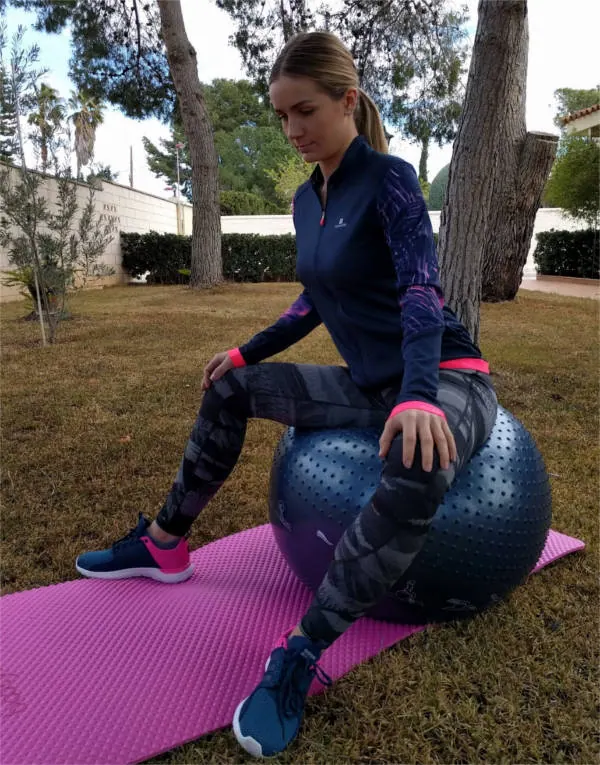
Photo: pelvic movements with the hips rotated outward
During the second stage of labor (pushing), on the other hand, we try to reduce space in the upper pelvis to increase it in the lower pelvis. During the pushing stage, the sacrum opens at its lower end (the coccyx tilts backward), which we call nutation. Exercises that increase flexibility in the lower part of the pelvis are exercises with the hips rotated inward. Inward rotation of the hips and thighs should also be used in the positions adopted while pushing.
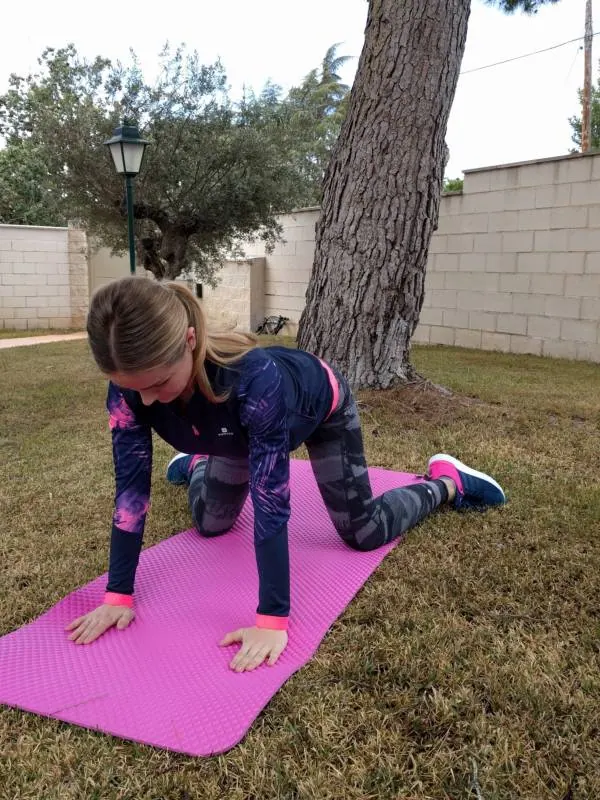
Photo: exercise with the hips rotated inward.
Pelvic mobility exercises and learning the movements and positions that help dilation and pushing should be part of physical preparation for birth. Knowing how to position your legs, pelvis and spine at each stage of labor lets you control the force of your pushing, take advantage of gravity and shorten labor. Positions with the hips rotated inward have been shown to reduce the risk of second- and third-degree perineal tears.
If you’d like to learn exercises for birth, hands-on techniques to improve perineal elasticity and how to tone your pelvic floor, I’ll be happy to help you at Suelo Pélvico. Remember to be consistent with your exercises and to have professional supervision.


Prepare for your birth at our clinic in Valencia
We support you throughout your pregnancy with physiotherapy for pregnant women, adapted to each trimester and your situation. Can’t come to Valencia? We also see patients in an online consultation.