How to prepare for birth in the last trimester of pregnancy



Article content
Birth preparation is, fortunately, a growing trend. Since I started my blog, one of my main goals has been to make future mothers aware of the importance of looking after their pelvic floor during pregnancy to prevent future injuries, which were very common among our mothers and grandmothers. But even today, not all women are aware of this, and they suddenly rush to figure out how to prepare for birth in the last trimester. Let’s look at what that involves…
Once we reach week 37 of pregnancy, we leave behind the period in which the baby’s birth would be considered premature. It’s true that in these last weeks of pregnancy, visits to the gynecologist and midwife are more frequent, because the body is naturally preparing for birth, but for that very reason the risks of giving birth are minimal.
We’ll keep feeling Braxton Hicks contractions, which are irregular, usually painless, and work on the birth canal to prepare for delivery. They may become more frequent. During the last weeks, the baby moves down into the lower part of the pelvis and engages. This can cause discomfort in the pubic area and hips, especially when standing or walking. Women who had trouble breathing throughout pregnancy because of pressure on the diaphragm will now feel great relief.
Another sign that labor is approaching is losing the mucus plug. At any moment you may notice it as a thicker, more abundant, jelly-like discharge, usually brown. Don’t worry if you don’t feel any contractions after losing it. They’ll probably come later.
What can happen in the home stretch of pregnancy?
From week 37, the fetus is fully developed and gains between 200 and 300 grams (7 to 10 ounces) a week. It’s busy building up fat to be able to control its body temperature after birth. It now has less room, which can cause some discomfort for the mother.
In the last weeks of pregnancy, pregnant women tend to be more tired, notice the effect of the hormones that are produced more at this stage, and experience some of the consequences of the baby’s head engaging in the pelvis.
The most common discomforts we may notice from week 37 of pregnancy are:
- Swelling and leg cramps: especially at night, due to fluid retention.
- Carpal tunnel syndrome: pain in the wrists, weakness or numbness in the hands.
- Insomnia: finding a comfortable sleeping position gets harder and harder, and many women don’t sleep well at night. Sleeping on your left side with a pillow between your legs is necessary in the third trimester to reduce heartburn and leg swelling.
- Pubic pain: the pressure of the baby’s head on the pelvis causes the cartilage of the pubic symphysis to separate, which can cause discomfort.
- Leaking urine during effort: leaking when coughing, sneezing, lifting or laughing is very common and comes from overstretching of the pelvic floor muscles.
- Sacral and lower back pain: discomfort in the kidney area, lower back stiffness in the morning, sciatica, piriformis syndrome… these are the most common complaints in the last weeks of pregnancy. The shift in the center of gravity and functional hyperlordosis change muscle tension and, without the right exercise, can lead to a disc injury after giving birth.
Exercises and routines to ease discomfort in the home stretch of pregnancy
Without a doubt, the most common and at the same time most bothersome problems are sciatica and lower back pain, leaking urine and pubic pain. What can you do to prevent or reduce them?
Exercises to prepare for birth and reduce sciatica and lower back pain
Stretching the lower back and glutes
The sciatic nerve starts in the lumbar spine and sacrum and runs down through the buttock to the sole of the foot. Muscle tension along the back of the legs (especially in the glutes and piriformis) and in the lower back muscles can irritate the nerve. So it’s essential to stretch throughout pregnancy and especially in the home stretch. Here’s an example of a stretch you can do at home.
Lying on your back, open your arms out to the sides, lift one leg (bent) and take it across to the other side until your foot rests on the floor. Stay in this position for a few minutes, letting the muscles relax and stretch. Then switch legs.
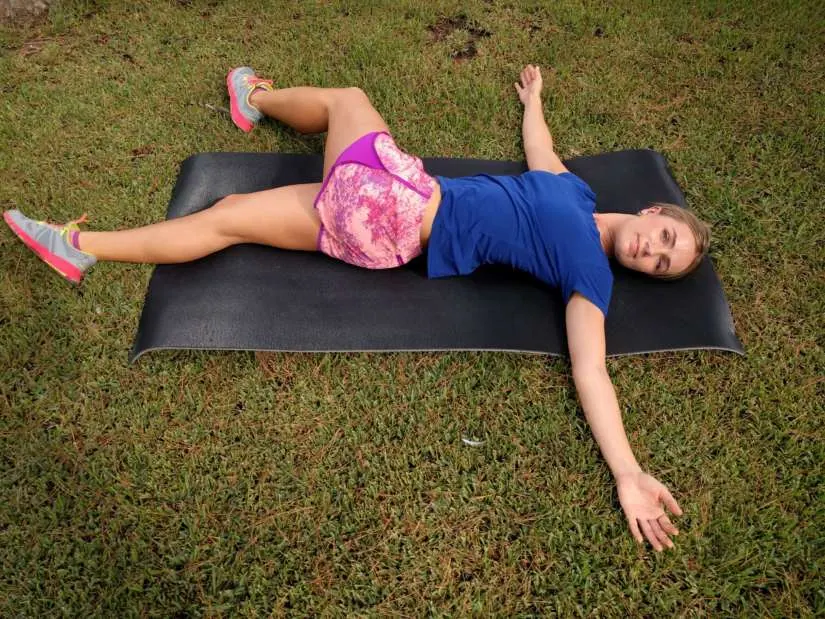
Photo 1: Stretching the posterior chain: glutes and lower back.
Myofascial self-massage
If you have a tennis ball at home, you can use it for a knot-releasing massage of the glutes and lower back. Lying on your back with your legs bent, place a ball under your buttock. If you have two balls, you can massage both sides at once. Start moving your hips from side to side, feeling how the pressure of the ball releases the tightest spots in the muscles. Do this massage twice a week.
If you don’t have tennis balls at home, you can do the same massage with a soft ball, like the ones we use in Pilates exercises. The technique is the same as in the previous example. To finish the massage, you can bring your knees (apart) to your chest and hold the position for two or three breaths until you feel your glutes stretching.
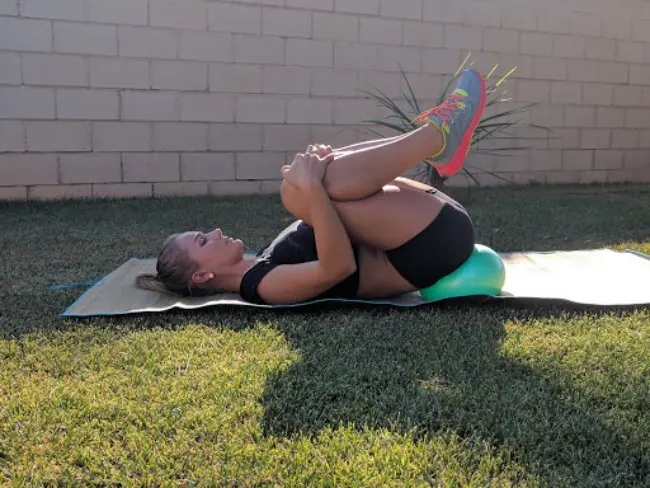
Photo 2: Stretch with the small soft ball
Exercise routines to prevent or reduce urine leakage
This is also part of preparing for birth. Stress urinary incontinence is very common in the last weeks of pregnancy, as the pressure of the baby’s head is so great that the pelvic muscles can’t contract strongly enough to hold urine. In addition, the bladder drops noticeably and you’ll need to urinate more often, which can also lead to leaks. Working the pelvic floor muscles regularly prevents and significantly reduces these symptoms. Preparing the pelvic floor for birth is essential.
From week 37 of pregnancy we can do perineal toning exercises with the Epi-No device. It’s a balloon-shaped vaginal probe with a gauge that measures the strength of our muscles. By inserting the probe into the vagina and voluntarily contracting the pelvic floor, we can see whether we’re doing it correctly and how strongly. It’s a very complete and effective workout, and it also helps us locate the area, which in many cases is the hardest part.

Photo 3: Epi-No
Apart from exercises, it’s important to correct your posture and reduce the pressure in the abdominal cavity. Protecting the pelvic floor at moments such as leaning forward to lift something, coughing or jumping is absolutely necessary and helps us, above all, understand how to prepare for a first birth.
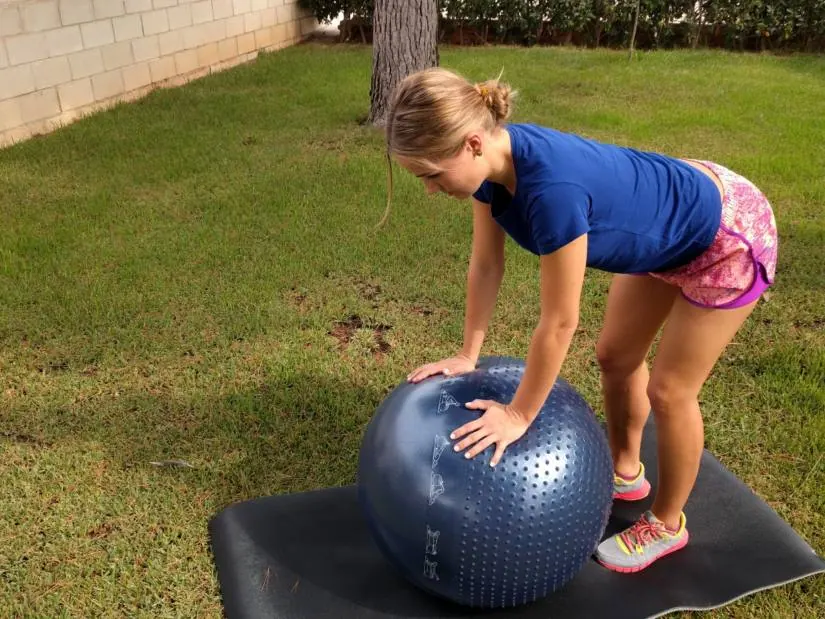
Photo 4: Posture correction when leaning forward
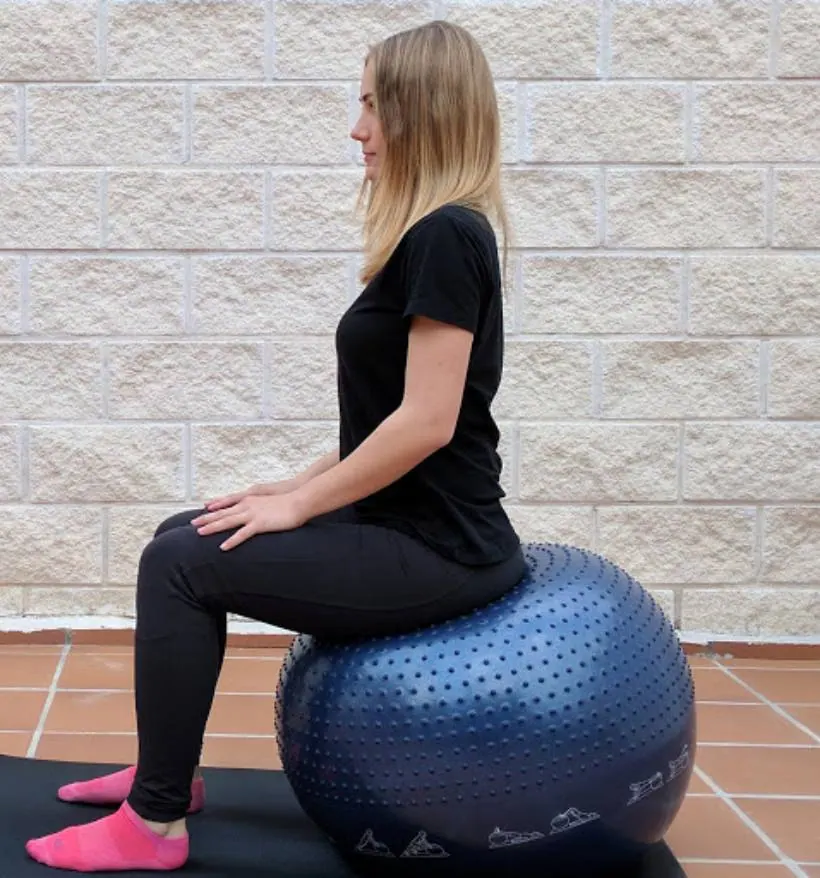
Photo 5: Posture correction when sitting.
Routines to prevent or reduce pubic pain
Pain at the front of the pelvis is almost as common as lower back pain. The baby engaging in the pelvis in the last weeks of pregnancy can cause a lot of discomfort and a stinging, pressure or swollen feeling in the pubic area. To reduce this discomfort, it’s recommended to wear an elastic pelvic support belt, which reduces the pressure on the pelvic floor and pubic bone.
Its main role in preparing for birth is to correct the position of the pelvis and the center of gravity. Unlike girdles, the belt doesn’t immobilize, so the pregnant woman can stay active, exercise and carry on with her daily activities while wearing it.
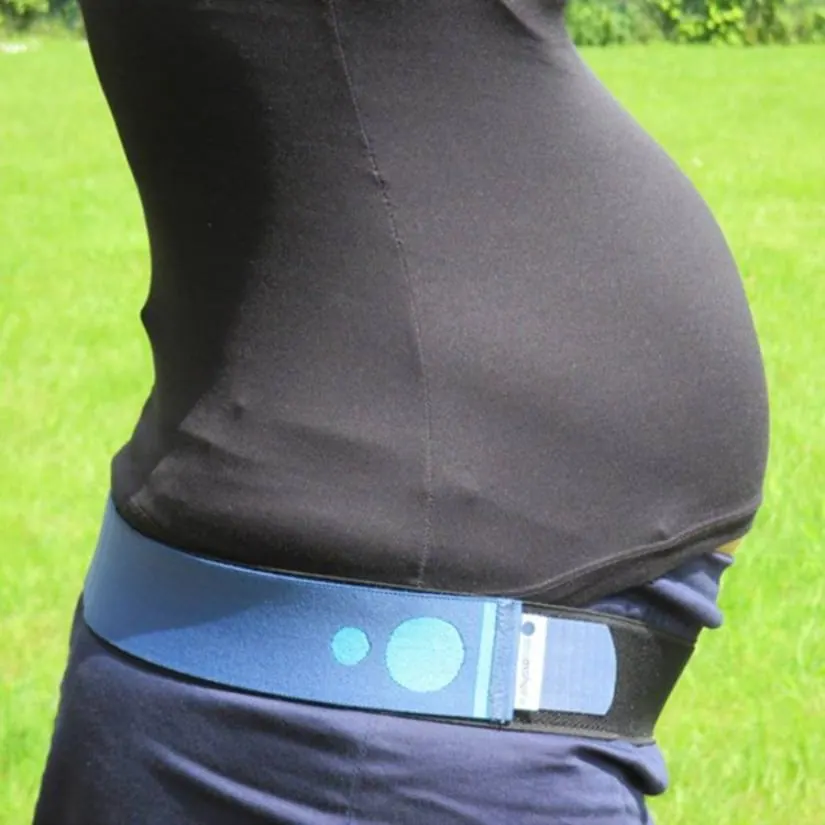
Photo 6: Pelvic support belt
In addition, it’s recommended to keep doing sport, avoiding exercises with the legs wide apart, squatting positions or inner-thigh stretches, which could increase pain and inflammation.
The most recommended activities for pubic pain are swimming, exercises with the large fitball and pelvic floor toning exercises with the small soft ball.
How do you feel when doing these exercises to prepare for birth? If you don’t notice any improvement with these routines, you’ll need to see a physiotherapist specializing in obstetrics to assess the cause of each problem and whether the exercise you’ve been doing was suitable. In some cases, such as sciatica or severe pubic pain, specific manual treatment is needed to reduce the pain.


Prepare for your birth at our clinic in Valencia
We support you throughout your pregnancy with physiotherapy for pregnant women, adapted to each trimester and your situation. Can’t come to Valencia? We also see patients in an online consultation.