Cesarean scar care: how to do it and why you should have your scar checked



Article content
In cesarean births, to reach the depth of the uterus, doctors often make an incision above the pubic bone, horizontally and slightly curved upward. To get to where they need to be, they first have to go through several layers of tissue: skin, subcutaneous fat, the membrane covering the abdominal muscles (aponeurosis), the abdominal muscles (which usually aren’t cut but separated, leaving a gap), the peritoneum (the membrane lining the inside of the abdomen) and finally the uterus. After delivering the baby, the gynecologist closes each layer surgically, leaving several scars in the abdominal cavity after the operation.
During the first 18 months after a cesarean, the scars are still forming, changing texture and thickening, and all of this can lead to problems such as lower back and pelvic pain, vaginal discomfort, urinary urgency, etc. Gynecological physiotherapy can help prevent and treat the most common problems related to a cesarean scar, so we recommend to our patients, and to you reading this article, that you have it checked by a professional and then follow a series of tips to look after it.
You may be interested in: What is the minimum recovery time your body needs after giving birth?
When should I start massaging my scar?
To know how to look after a cesarean scar, we first need to understand that scars form and mature differently depending on the tissue. The superficial scar, in the skin, takes only 7 to 10 days to form. Scars in deeper tissues, such as the aponeurosis, fat and abdominal muscles, take one to three months to mature. The uterus, however, needs up to 18 months to heal completely. That’s the minimum recommended time before the next pregnancy. A different abdominal scar care technique is used at each stage of healing.
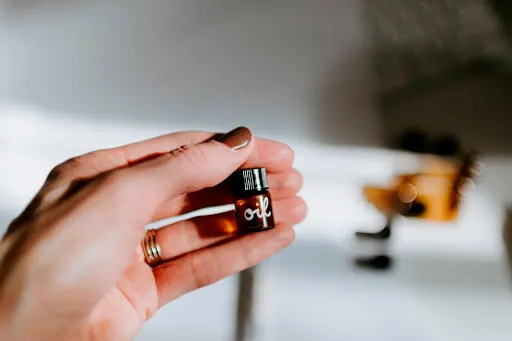
After 7–10 days, it’s recommended to apply rosehip oil and moisturizers rich in vitamin E to the skin of the lower abdomen and the scar. It’s still too early to start deep massage. We simply moisturize and massage the skin, with gentle circular movements, without causing a stinging or burning feeling. For these first days, there are also special patches for cesarean scars.
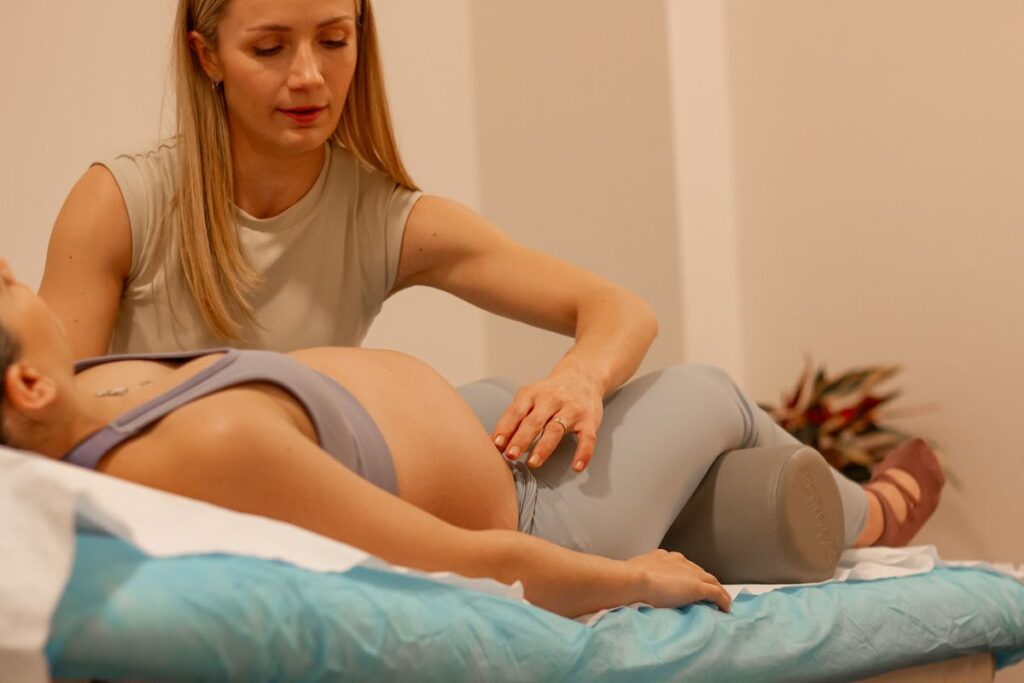
After 1 month, it’s recommended to start massaging the deeper tissues. The physiotherapist does this massage in the clinic, as the technique will depend on how the superficial scar looks and the general condition of the abdominal area. In the session with the specialist, we’ll get guidelines on how to do the massage correctly at home over the following weeks. Magnetic-Tape can also be used to help modulate the perception of pain and improve muscle recovery, especially after returning to physical activity.
After 2–4 months, mobilization of the deeper tissues begins, with the aim of preventing or treating reduced mobility of nearby internal organs. The bladder is often affected by adhesions in the peritoneal scar and, if untreated, these can cause chronic pelvic pain, vaginal pain and urge incontinence.
What complications can a cesarean scar cause?
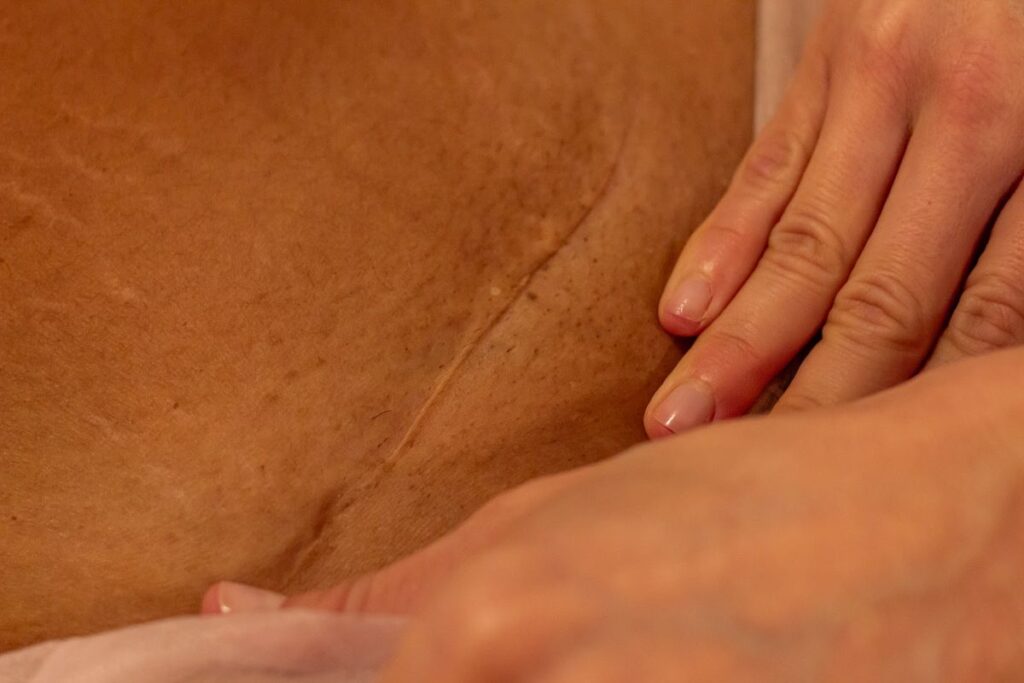
When we talk about a normal-looking cesarean scar, we mean one that’s pale (usually lighter than the skin), mobile (the skin and scar have the same flexibility and mobility), painless and flat. Often, during healing, certain factors such as poor posture, inflammation or bacterial infection… can disrupt how the scar matures and lead to problems. Specific gynecological physiotherapy treatments are usually used if we have:
An atrophic cesarean scar
Sunken, pink or whitish because of the loss of collagen and elastin. These usually cause some fluid retention above the pubic bone (a thickened pubic area) and a bulge in the lower belly.
A hypertrophic cesarean scar
Raised, tends to form keloids (pink lumps that usually get worse with massage).
A scar with adhesions
Red, sunken, sometimes purplish, with painful ends. It causes abdominal discomfort, tightness and a tingling feeling.
Recommended exercise for cesarean scar care
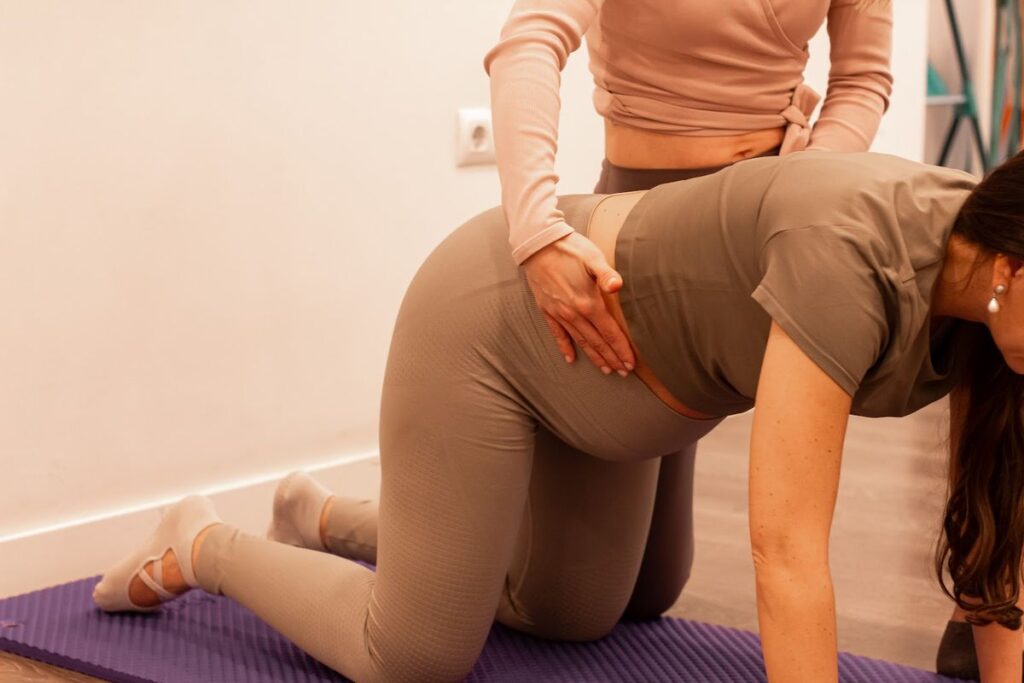
For the best cesarean scar care, from the start of healing it’s recommended to make gentle body movements to oxygenate the tissues, prevent loss of mobility in the internal organs near the scar and avoid muscle wasting. To start intense exercise, we should wait at least 3–4 months. Until then, follow the guidelines your physiotherapist gives you at your first postpartum assessment.
Exercise should be suited to each woman’s needs. Most patients who have had an uncomplicated cesarean should follow the general recommendations, namely:
- Do abdominal breathing exercises to mobilize the abdominal tissues, after the first 3 days following the cesarean.
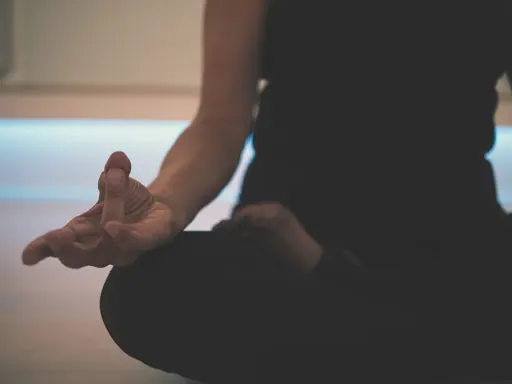
- Do long transverse abdominis and pelvic floor contractions (held for 5 to 15 seconds) in different positions, including lying face down.
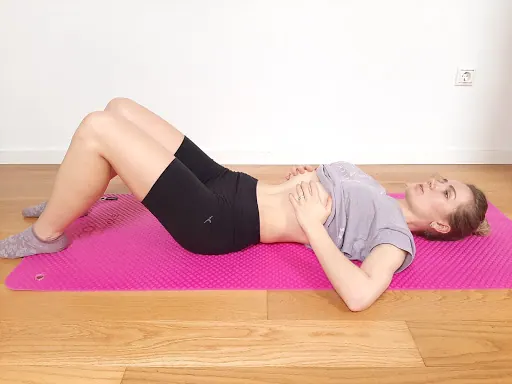
- After your postpartum assessment with the physiotherapist, start specific exercises to recover the tone of your abdominal muscles. These exercises usually start between the second and third month after the cesarean.
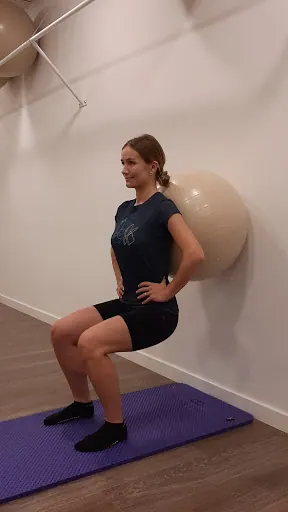
- Hypopressive abdominal training, 3–4 months after the cesarean. Hypopressive exercises help reduce intra-abdominal pressure, prevent adhesions from forming and improve the elasticity of existing ones.
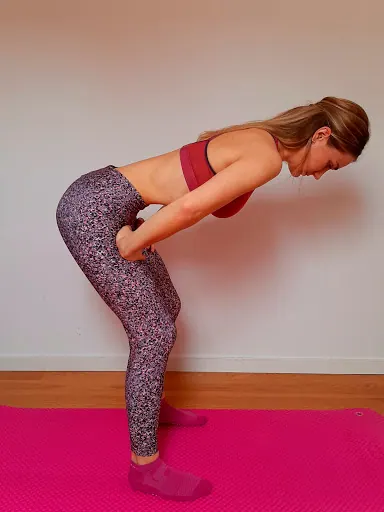
Now that you know some ways to care for your cesarean scar, don’t hesitate to put them into practice. You’ll notice the difference!

Look after your cesarean scar in Valencia
It’s never too late to work on it: we assess it at your pace with physiotherapy for cesarean scars. Can’t come to Valencia? We also see you in an online consultation.