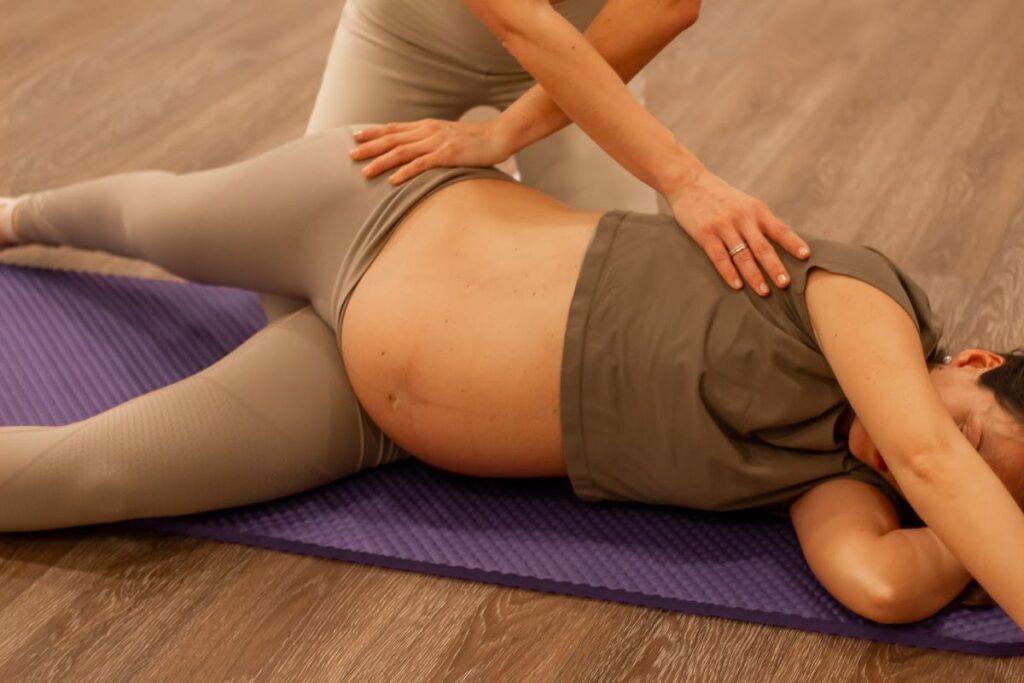

What genital prolapse is, how it affects your daily life and how to treat it



Article content
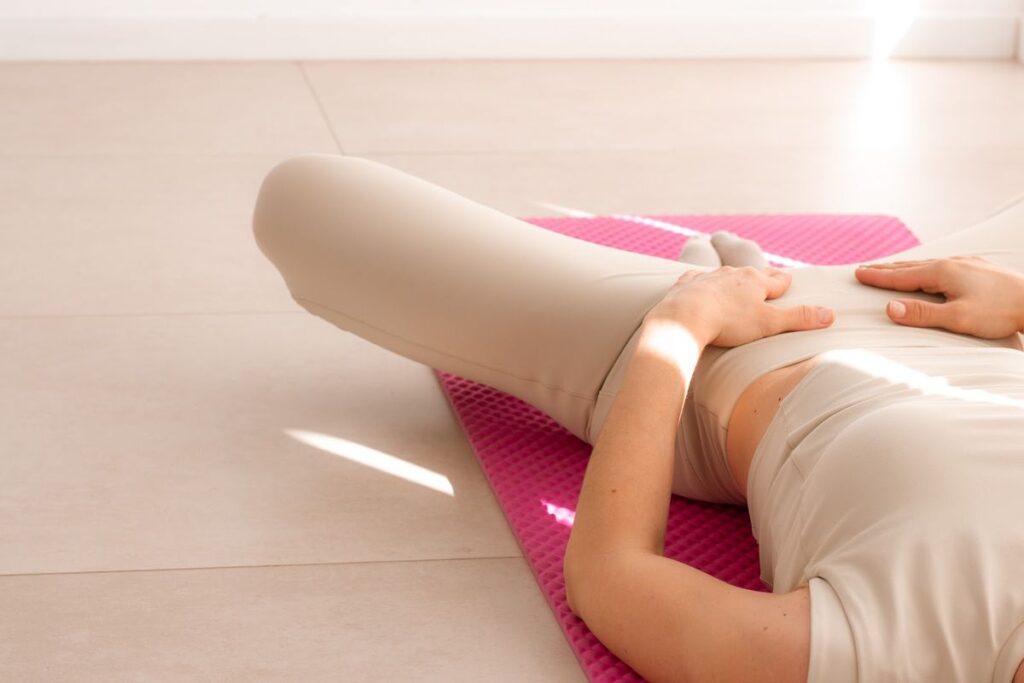
Genital prolapse is the descent of a pelvic organ from its natural position (also called its anatomical position). These organs, the bladder, uterus and rectum, are in the lesser pelvis and rest on the pelvic floor. When the muscles weaken, they lose their supporting role and one of these organs slides down and prolapses.
If you’ve been diagnosed with genital prolapse, the first thing to take on board is that you’re not a ‘freak’ and bad luck isn’t just happening to you. Today, it’s the most common dysfunction in urogynecology. And yes, it can be treated and there are solutions.
What are the symptoms of genital prolapse?

Prolapses are classified into different grades according to how far the organ has descended. And depending on which organ has dropped, there are different types of prolapse:
- Uterine (uterocele).
- Bladder (cystocele).
- Intestinal (enterocele).
- Vaginal vault.
Grade I prolapse is a slight descent of the organ inside the vaginal canal, while grade II prolapse is when the organ reaches the edges of the vagina. It’s common for these two grades to cause no symptoms, so the woman isn’t aware of any dysfunction.
Most grade I and grade II prolapses are diagnosed in a pelvic floor assessment, for example postpartum or at a routine check-up in menopause. That’s why it’s important to see pelvic floor specialists regularly, even if we have no obvious injuries, because that’s exactly when more serious problems can be prevented.
Grade III prolapse means the organ passes through the vaginal opening, and grade IV is when the organ protrudes outside. These two types of prolapse require surgery for a proper repair.
The most common symptoms of genital prolapse are:
- A feeling of heaviness in the vagina or anus.
- A visible bulge in the vaginal canal.
- Being unable to empty the bladder completely when urinating.
- Itching in the urethra and recurrent urinary tract infections.
- Leaking gas or urine.
- A feeling that the vagina is more open.
- Discomfort during sex.
How is genital prolapse treated?

The treatment for grade I and II genital prolapse is urogynecological physiotherapy. Only more advanced prolapses require surgery. The type of physiotherapy treatment is decided at the first assessment, when the condition of the pelvic floor and abdominal wall muscles is evaluated.
Recovery from genital prolapse usually includes Kegel exercises, vaginal electrical stimulation, perineal exercises with vaginal biofeedback, hypopressive training and core strengthening exercises (transverse abdominis, pelvic floor, back, glutes).
Patients start with individual urogynecological physiotherapy sessions and, once they improve, continue training at home or move on to group sessions. It’s important to know that a prolapse can’t go back. With exercise and treatment we can only stop the organ from descending further, avoid surgery or reduce symptoms such as incontinence or a feeling of heaviness in the vagina.
How should I train if I have genital prolapse?
First of all, you need to know that all high-impact training will be harmful, at least until we have optimal perineal and abdominal tone. Running or jumping with a weak pelvic floor and a prolapse would be like putting an extra 10 kg (22 pounds) of pressure on our perineum. So if we have a prolapse, we try to avoid activities such as:
- Running
- CrossFit
- Workouts like aerobics, step or body pump.
- Kangoo Jumps.
With genital prolapse we should focus our training on building pelvic floor strength, improving our posture, doing hypopressive exercises and strengthening the abdomen (but without traditional ‘crunch’-style sit-ups).
You can do this simple routine of exercises suitable for patients with genital prolapse, as they’re very similar to the ones we do in the clinic with our patients under professional supervision.
1. Single-leg shoulder bridge.
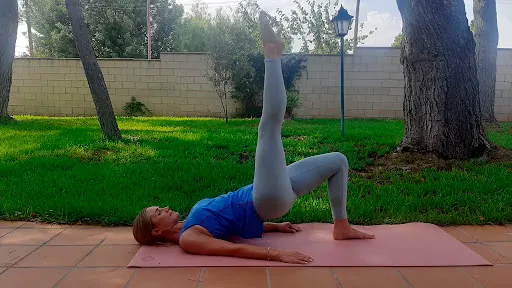
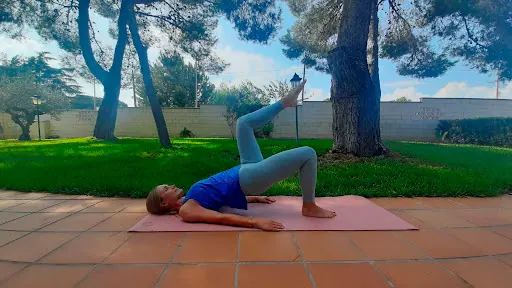
This exercise strengthens the glutes, back and transverse abdominis. In addition, lifting the pelvis has an effect similar to hypopressive exercises: the pelvic organs rise. The idea is to lift your hips as high as you can while keeping one leg raised (bent at 90º or stretched toward the ceiling).
2. Dynamic front plank
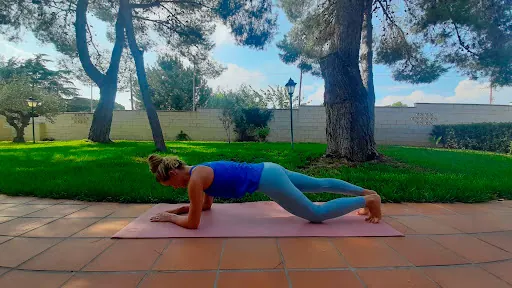
This is an example of the isometric abdominal exercises you can do with genital prolapse. We suggest a modification of the typical front plank, adding leg movement. While holding the plank position, bend one knee until it touches the floor (without moving the rest of your body) and then do the same with the other leg. This keeps intra-abdominal pressure from rising in a way that harms the pelvic floor.
3. Thoracic mobility exercise
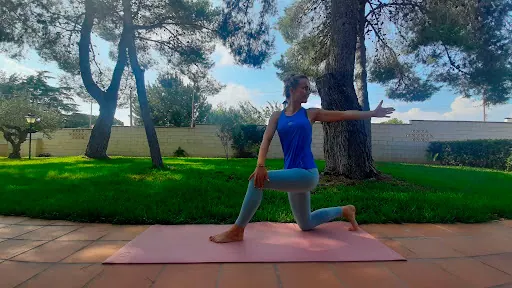

The thoracic diaphragm needs good mobility and flexibility so it doesn’t push the internal organs down into the pelvis. Otherwise, a hypertonic (stiff) diaphragm creates more pressure and can make the prolapse slide further into the vagina. Trunk twists and rotations of the mid-back are the movements that can ‘free up’ our diaphragm. They should be included in strength workouts.
4. Do low-impact cardio

Yes, with genital prolapse we can keep doing cardio. We just need to choose low-impact options. For example:
- Cycling.
- Swimming.
- Nordic walking or brisk walking.
- Dance (ballet, salsa, bachata).
- The elliptical.


Do you have a prolapse? We can help in Valencia
We explain what it means in your case and what you can keep doing, with physiotherapy for genital prolapse. Can’t come to Valencia? We also see patients in an online consultation.