Causes of sciatica in pregnancy and routines to treat it



Article content
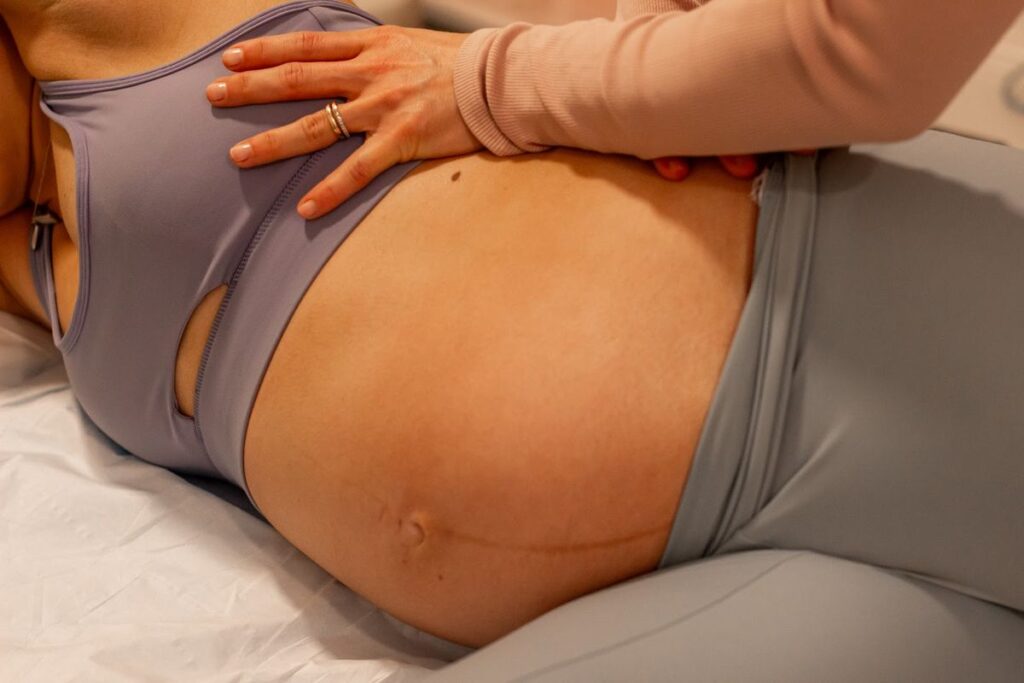
Sciatica is a problem that can appear in the second and/or third trimester of pregnancy, when the size of the bump forces the mother into poor postures. Being pregnant doesn’t always mean sciatica; in fact, many women confuse it with other injuries in the sacral and lower back area, so in this article we’ll cover how to recognize sciatica, how it happens and which exercises help treat sciatica in pregnancy.
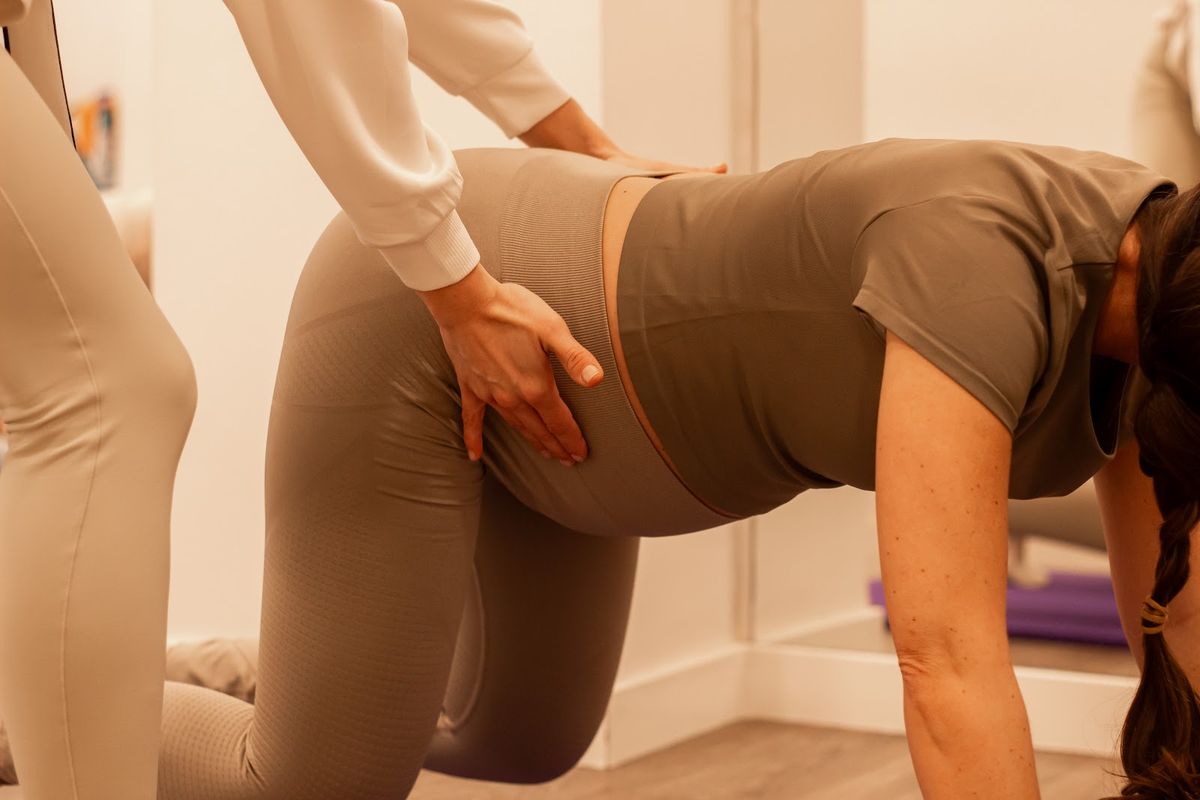
The most effective way to treat sciatica in pregnancy is a combination of massage, stretching and rest. In more severe cases, when the pain lasts more than a week, you should see a physiotherapist specializing in urogynecology for manual treatment.
Most common causes of sciatica
Sciatica is compression of the spinal nerves L4, L5 or S1, which form the sciatic nerve (the longest peripheral nerve in the body), or compression along the path of this nerve.
The most common cause of this compression is a bulging or herniated disc in the lumbar spine. In pregnancy, the center of gravity shifts forward (because the bump is growing) and the lower back curves more (lumbar hyperlordosis). This reduces the space between the discs and can pinch the roots of the sciatic nerve.
How can you recognize the symptoms of sciatica in pregnancy?
If you notice any of the following symptoms, you should see a specialist, because you very likely have sciatica:
- Intense pain at the back of the buttock, thigh and calf, sometimes reaching the foot.
- Weakness in the leg muscles.
- Changes in sensation: cramps in one leg, a burning feeling inside.
- Severe pain in the lower back.
If you had sciatica, chronic lower back pain, herniated discs in the lumbar spine or lumbar scoliosis before pregnancy, you should take great care of the area from the first weeks of pregnancy and see a physiotherapist specializing in urogynecology once a month throughout pregnancy.
What does treatment for sciatica in pregnancy involve?
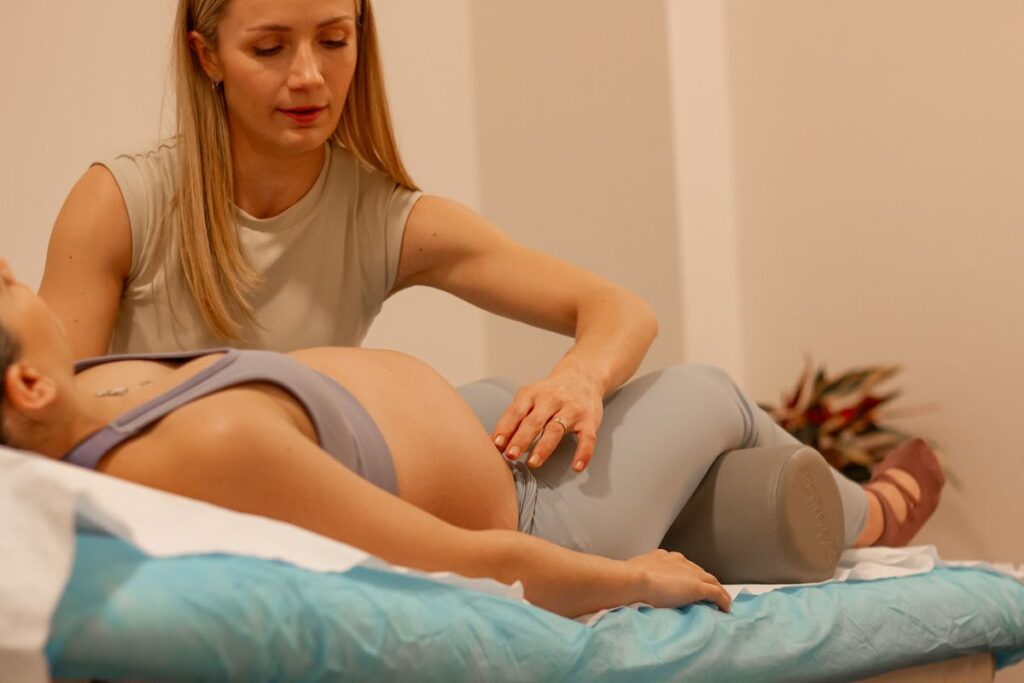
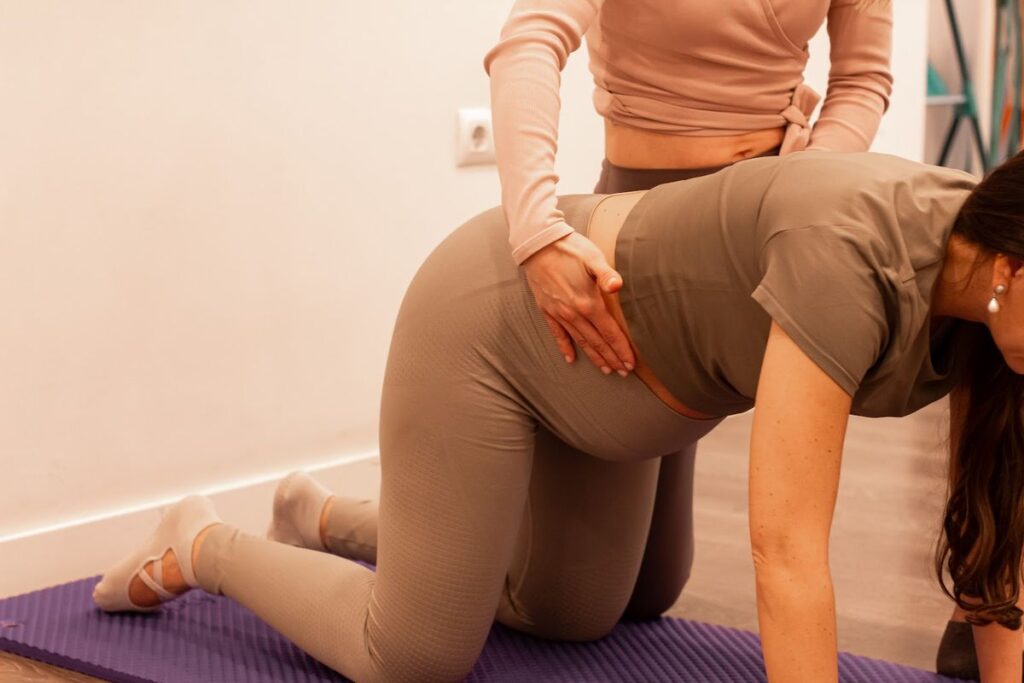
Physiotherapy treatments are completely non-invasive, which means manual techniques to relieve sciatica-related pain can be used on any pregnant woman.
The procedure for treating sciatica is as follows:
- First, the physiotherapist does an initial assessment, examining the spine, pelvis, tension in the back muscles… Orthopedic tests are done to diagnose the problem. Sciatica is often confused with piriformis syndrome, which is very common in pregnancy and has symptoms very similar to sciatica.
- Once diagnosed, treatment involves:
- Knot-releasing massage of the lower back, sacrum, glutes and legs.
- Stretching the whole back of the body (especially the quadratus lumborum, hamstrings and glutes). When exercising, a pelvic support belt will make the activity easier and improve the results. If you’re below EU size 40 (US size 10), use the Tonic pelvic support belt. Otherwise, the Confort pelvic support belt.
- Gentle manipulation if there are restrictions in the lumbar spine and sacrum.
- Postural re-education.
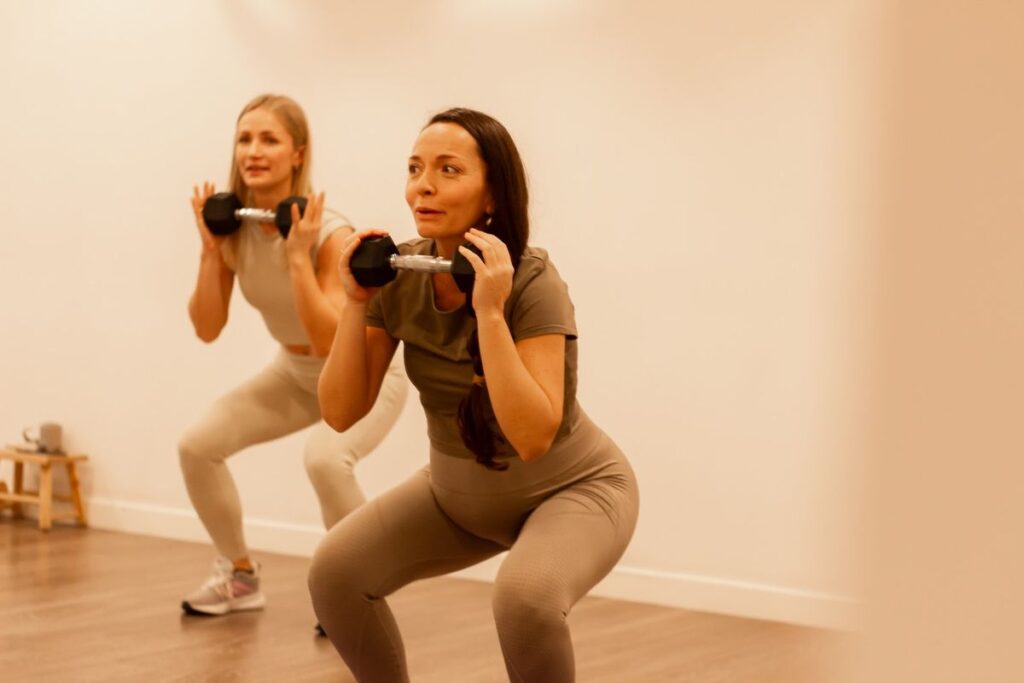
- Learning exercises that activate the postural muscles.
Reducing pressure in the lumbopelvic area and improving its mobility not only helps relieve sciatica, it also makes it easier to use more comfortable solutions when your period returns, such as the Beppy Cup.

Other routines that help treat sciatica
- Shorten your walks: brisk walking during pregnancy is very good for the whole body, but with sciatica any activity of the back or leg muscles increases the pain.
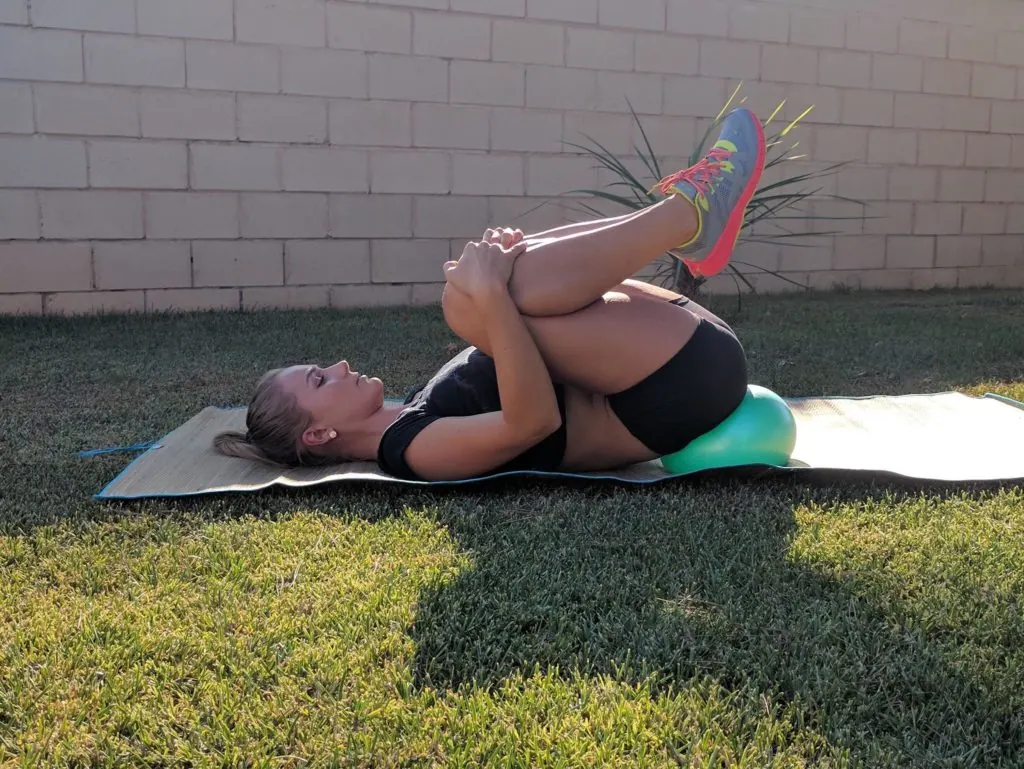
- Stretching with a small ball: lying on your back, place a small (soft) ball under your pelvis. Bring your knees (apart) toward your chest and hold them with your hands. Stay in this position for a while and let the whole back of your pelvis stretch.
- If you have to travel by car, plane or bus: break up the trip, stop every 2 hours or less and get up to stretch your legs. Use a small cushion to support your lower back and sit with your pelvis in neutral.
- Massage with a tennis ball (chilled in the fridge or freezer first): lying on your back, place the ball under your buttock and move your pelvis to massage the painful area.
- Sleep on the unaffected side with a large pillow between your legs: this keeps your hips aligned and takes the pressure off your lower spine.
- Alternate hot and cold water in the shower, as the contrast in temperature reduces muscle tension.
- Stretch your glute muscles every day (this part of the body is usually the most affected by sciatica).
These routines to ease sciatica pain will make your pregnancy more bearable. Don’t hesitate to see a specialist if you’re unsure about your symptoms or want advice on more exercises for treatment.
Once it’s resolved and the pain is gone, all that’s left is to prepare for your baby’s birth and welcome them with a big smile.


Relieve sciatica in pregnancy in Valencia
We help you with safe techniques for each trimester with physiotherapy for sciatica and pelvic pain. Can’t come to Valencia? We also see you in an online consultation.