CBD and the pelvic floor: can it help with my pain?



Article content
I’m going to start this article with complete honesty.

I received a proposal to write about the relationship between CBD (cannabidiol) and the pelvic floor.
My first reaction was, literally: “no way.”
I work at a physiotherapy clinic specializing in the pelvic floor, and professional reputation, rigor and patients’ trust always come before any collaboration. CBD is a sensitive topic, with a lot of unreliable information going around, and my initial position was clear: this isn’t something I recommend.
However, out of professional curiosity, I decided to look into it calmly and share what I found: what the science says, how other leading professionals approach it and what the real risks are.
That’s where this article comes from.
It’s not a recommendation, it doesn’t endorse any product and it doesn’t replace any treatment.
It’s simply an informed and cautious reflection on a topic that’s attracting more and more interest, and which we therefore need to talk about professionally.
What CBD is (and why there’s so much interest in it)
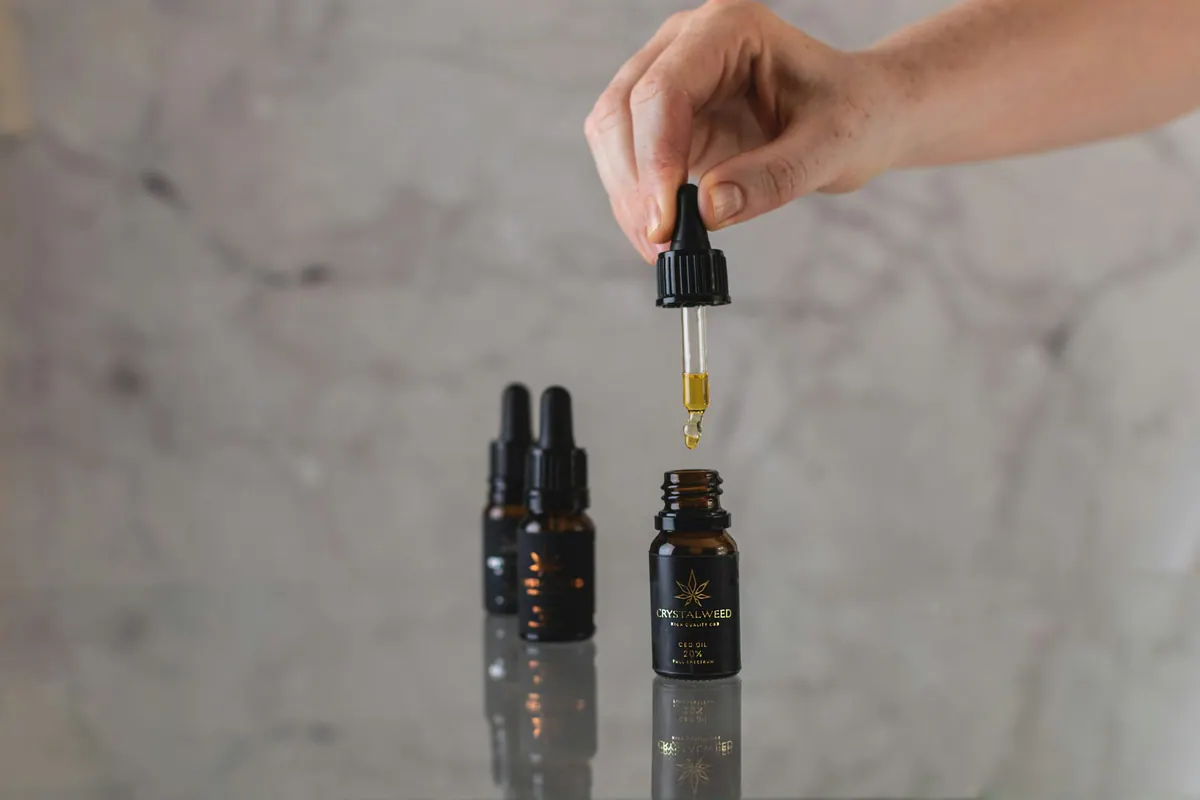
CBD (cannabidiol) is one of the compounds found in the cannabis plant.
Unlike THC, it has no psychoactive effects; in other words, it doesn’t get you “high.”
In recent years it has become popular because of its possible links to:
- Pain modulation.
- Inflammation.
- Stress and anxiety.
This interest is based on:
- Preliminary studies.
- Basic research on the endocannabinoid system.
- Personal testimonials.
- A very active wellness industry.
And here’s a first important distinction: scientific interest isn’t the same as clinical evidence.
Is there a link between CBD and the pelvic floor?
The short, honest answer is: not directly, and not proven. Currently:
- There aren’t enough solid clinical studies showing that CBD treats pelvic floor dysfunctions.
- It isn’t part of clinical guidelines.
- It isn’t a validated treatment for pelvic pain, hypertonia, vulvodynia or other specific conditions.
So where does the idea come from? From an indirect theoretical link.
The endocannabinoid system is involved in modulating pain, inflammation and the stress response. And many pelvic floor dysfunctions involve:
- Persistent pain.
- Muscle hypertonia.
- Sensitization of the nervous system.
- The influence of stress and anxiety.
From that point of view, it’s understandable that some people wonder whether CBD could “help.”
But it’s important to say it clearly: just because something has a theoretical basis doesn’t mean it works clinically.
What the scientific evidence says (and doesn’t say)
The available evidence on CBD and pain is:
- Limited.
- Mixed.
- In many cases not specific.
Some scientific reviews mention CBD as a possible line of future research in painful conditions, including some related to the pelvic floor. But the authors themselves point out that:
- The clinical evidence is insufficient.
- Well-designed studies are lacking.
- Its therapeutic use can’t be recommended.
As of today, CBD isn’t a recommended treatment for pelvic floor pain.
What other leading professionals say
Some physiotherapists and science communicators specializing in pelvic health have written about CBD from an exploratory and very nuanced perspective.
This content usually:
- Explains the possible role of the endocannabinoid system.
- Talks about patients’ subjective experiences.
- Stresses the lack of solid evidence.
- Warns about risks and regulation.
It’s important to understand this well: a professional talking about the topic isn’t the same as recommending it.
In the most responsible approaches, the message is usually the same: scientific interest, clinical caution and no promises.
Regulation, quality and risks: a key point
This is one of the biggest concerns from a healthcare point of view.
Not all CBD products are the same:
- The concentration can vary a lot.
- Quality isn’t always guaranteed.
- Regulation varies from country to country.
- Labeling isn’t always clear.
In addition:
- It can interact with certain medications.
- It isn’t free of side effects (drowsiness, digestive discomfort, dizziness).
- It can create false expectations in complex conditions.
In the clinic, this is especially delicate, because pelvic pain rarely has quick or external solutions.
An important disclaimer: pregnancy vs. other conditions
This point deserves its own section.
Pregnancy and postpartum
For women who are pregnant or breastfeeding, maximum caution is needed.
There isn’t enough evidence to guarantee that using CBD during pregnancy or breastfeeding is safe.
So: it’s not something that can be recommended or endorsed in this context.
Any substance, however “natural” it’s presented as, should be assessed with extreme caution at these stages.
Other pelvic floor dysfunctions in people who aren’t pregnant
In people who aren’t pregnant, the debate is more in the area of research and scientific curiosity, but there’s still not enough evidence to recommend its therapeutic use.
In no case does it replace:
- An individualized assessment.
- Specialized physiotherapy.
- A multidisciplinary approach when needed.
The central role of pelvic floor physiotherapy
Specialized pelvic floor physiotherapy is based on:
- Individual clinical assessment
- Manual and active treatment
- Education and body awareness
- Regulating muscle tone
- Addressing pain from a global perspective
There’s currently no product, supplement or substance that replaces this process.
As a professional, my responsibility isn’t to offer quick fixes, but to support you with judgment, evidence and honesty.
Conclusion
Can CBD help with pelvic floor pain?
As of today, the most responsible answer is: there isn’t enough evidence to claim it or to recommend it.
Research into it is a good thing. Curiosity is understandable. But in health, and especially with the pelvic floor, caution isn’t a limitation; it’s a form of care.
Important note: This article is for information and educational purposes only. It isn’t a treatment recommendation and doesn’t replace an assessment by a qualified healthcare professional.


You don't have to live with pain: we're here to listen in Valencia
We look for its muscular origin and treat it with physiotherapy for vaginal pain, always alongside your gynecologist. Can’t come to Valencia? We also see patients in an online consultation.