6 frequently asked questions about cesarean birth and recovery



Article content
A cesarean birth is a possibility throughout pregnancy, so it’s a good idea to be prepared in case the doctor decides to use this surgical procedure, whether planned or not.
That’s why we’ve put together this question guide so you’re up to date on everything involved in giving birth by cesarean and the best possible rehabilitation.
What is a cesarean and what does it involve?
Many of us dream of a natural, humanized birth with the people closest to us by our side. Reality often surprises us and complicates these wishes, since a cesarean is a real possibility at any time. It shouldn’t frighten you, but it’s important to know how to prepare for this surgery and how to recover from a cesarean.
A cesarean is the delivery of the baby and placenta through the abdominal wall. The decision to do a cesarean can be made before labor (elective cesarean), when the baby’s and/or mother’s life is in danger (emergency cesarean), or during labor.
Parts affected in a cesarean
The abdomen is opened with either a vertical midline incision or a low horizontal one (more common). To reach the uterus, five layers are crossed:
- The skin.
- Subcutaneous fat.
- The aponeurosis covering the abdominal muscles (the abdominal muscles usually aren’t cut but separated, opening a gap, and moved to the sides).
- The peritoneum (tissue lining the inside of the abdominal wall).
- The uterus and amniotic sac.
The uterus is reached with a horizontal incision in its lower part. After opening the uterus, the baby is delivered, followed by the placenta.
When will a cesarean be done, and what are the reference indicators during labor?
The urgent reasons for doing a cesarean are:
- Risk to the baby’s well-being.
- Umbilical cord prolapse.
- Placental abruption.
- Placenta previa with bleeding.
Reasons during labor:
- Failed induction of labor.
- Labor that isn’t progressing.
- Fever during labor.
How long does the wound take to heal?
In other words, when can I get pregnant again or go back to normal activity?
The scar that forms after a cesarean isn’t just in the skin, but in every layer that was cut or separated. Once stitched with a material the body absorbs, the wounds need to close and heal.
Internal wounds usually heal within one to three months, and the skin in seven to ten days. The uterus heals in about 18 months, so it’s recommended to wait up to two years before another pregnancy.
Within 4 to 8 weeks, according to the gynecologist’s advice, women can return to their normal activities, including exercise.
Is any special care needed after a cesarean?
- Keep good hygiene: To avoid infection in the wound area, clean it with water and dry it after each wash. Keeping the area dry is essential to prevent possible infection. In women who are overweight, when the skin of the abdomen hangs over the scar area, special attention is needed and it should be dried every two hours.
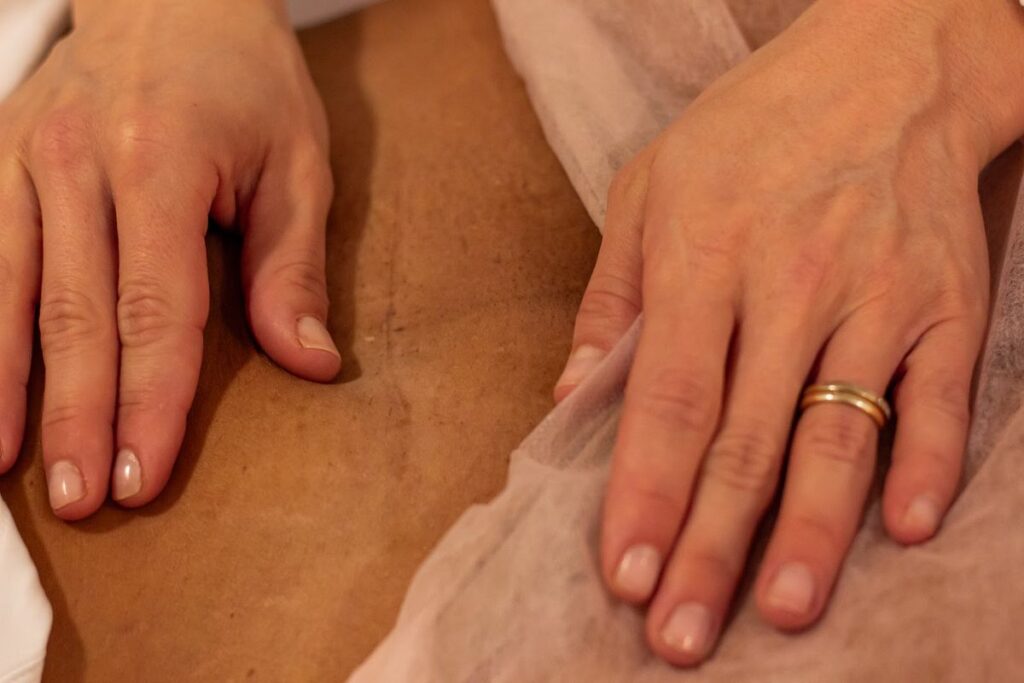
- Massage the scar: Once the wound has closed well, you can start massaging the scar to improve its elasticity. The aim of the massage is to prevent adhesions that could form between the skin and the layers beneath it. For the first massage, ideally see a physiotherapist specializing in gynecology to learn the technique. It involves rubbing your fingers over the scar and stretching it without any lubricant.
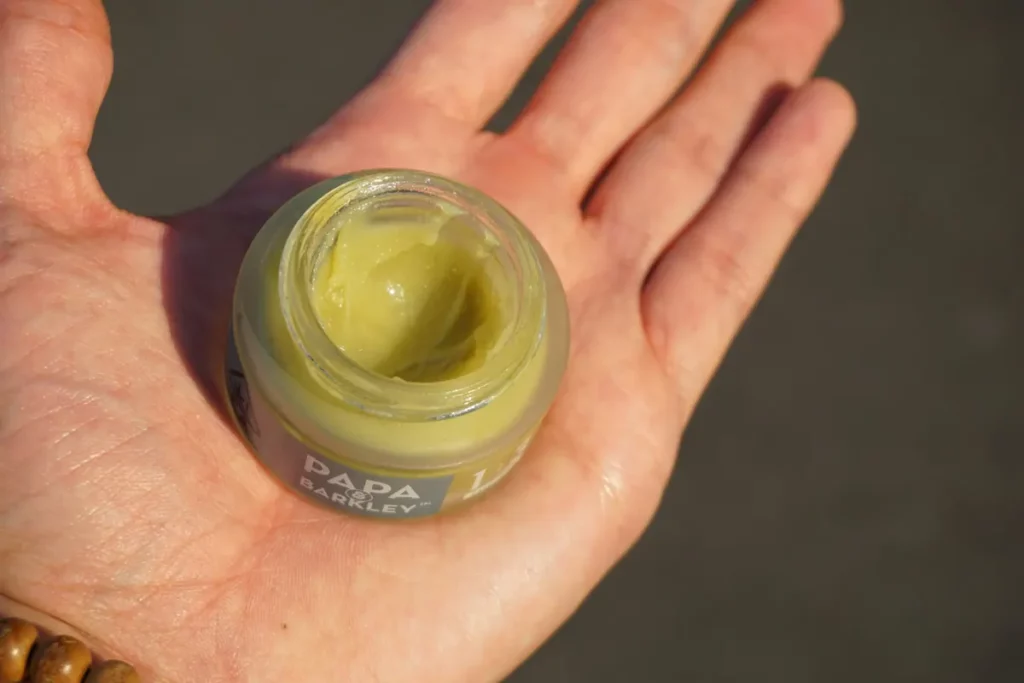
- Moisturize: It’s recommended to apply rosehip oil to the scar area every day to nourish and moisturize it. A good idea is to massage the scar after your morning or evening shower, carefully dry the area and then apply the oil.
If you notice discomfort in the skin or internally four weeks after the cesarean, it’s essential to see a specialized physiotherapist to assess your abdomen and, if necessary, receive specialized treatment.
At a superficial level, treatment addresses tightness, hardness and skin folds caused by a very tight, thick scar. Manual treatments such as the Cyriax method, ultrasound treatment or kinesiology tape are used, and you can even apply silicone scar-reduction sheets. At a deeper level, treatment addresses stiffness in the abdominal muscles or internal organs, mobility problems, internal pain…
Which exercises are recommended after a cesarean?
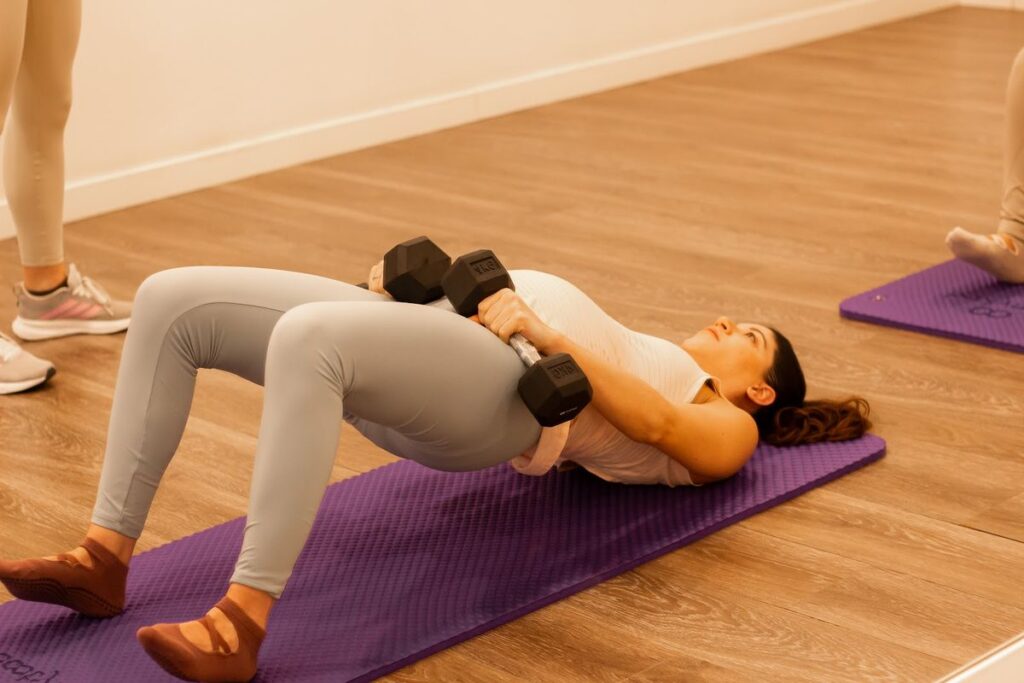
In the immediate postpartum period, the goals are to start activating the abdominal muscles, maintain good blood flow in the area, reduce pain and help healing.
Exercises after a cesarean: during the first 6 weeks
- Breathing exercises (abdominal breathing). Lying on your back, on your side, on all fours or standing, keeping your spine aligned, take deep abdominal breaths. As you breathe in, send the air into your abdomen and feel the area below your belly button expand. As you breathe out, feel your lower abdomen relax. This type of breathing will activate the abdominal muscles and help blood flow better.
- Pelvic floor exercises. These can be done in the first hours after the cesarean. Do gentle contractions in a comfortable position (lying on your back with your legs bent), held for 5 to 10 seconds. As you breathe in, expand your rib cage, and as you breathe out, contract your pelvic floor. It’s also useful to work the pelvic floor with the abdominal breathing above, to activate the abdominal and perineal muscles together.
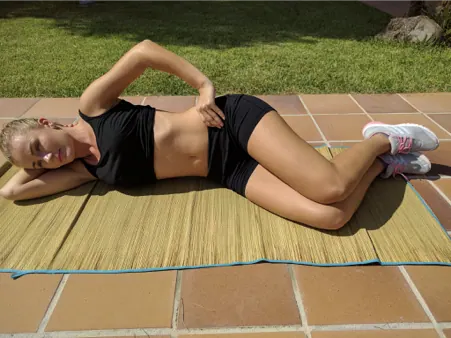
- Protect the scar during moments of high pressure. Place your hands on the edges of the scar (one above and one below) and gently bring them toward each other (as if you wanted to close the scar). Use this technique when the abdominal muscles contract: when coughing, sneezing, getting out of bed, bending down, laughing…
- Short walks at a gentle pace. In the late postpartum period, after the first 6 weeks following the cesarean, more intense exercise can be done to recover abdominal and perineal muscle tone, reduce the risk of internal adhesions forming, improve blood flow, and prevent or treat abdominal diastasis.
It’s essential to have a postpartum assessment (abdominal muscles, pelvic floor) by a specialized physiotherapist before starting sport.
It’s important to rule out dysfunctions such as rectus abdominis diastasis, genital prolapse, umbilical hernias and urinary or fecal incontinence.
Other exercises after a cesarean
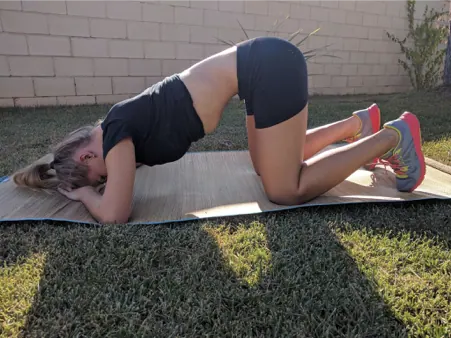
- Postpartum hypopressive exercises. They improve blood flow inside the uterus, stimulate its return to normal size, produce an upward movement of the internal organs, tone the abdominal muscles and reduce pressure on the pelvic floor. There are many positions for hypopressive abs, usually adapted to each patient. Knowing the technical guidelines for hypopressives and learning to do them in various positions is essential for the method to be effective. We recommend going to a center specializing in postpartum rehabilitation to learn and practice them under professional supervision.
- Balance exercises on the fitball. These exercises stimulate the muscular and proprioceptive systems (deep sensation) and act on all the deep muscles of the trunk (transverse abdominis, spinal muscles) and the pelvic floor. They’re ideal for women postpartum, as they prevent weakness in these areas, lower back pain and pelvic pain. Here’s an exercise using the large ball: sit with your spine lengthened, keeping your pelvis in neutral. Lift one leg (raising the sole of your foot off the floor) as you breathe out and lower it as you breathe in. A variation is to do it with your arms open to the sides or stretched forward.
What should I avoid during cesarean recovery?
- Traditional abdominal exercises: doing them during the first 6 months after a cesarean could cause rectus diastasis, affect the integrity of the pelvic floor and lead to urogynecological dysfunctions in the future.
- High-impact sports: running, step classes, aerobics, horseback riding, tennis, Zumba, padel, body pump. These activities could increase abdominal and perineal pressure, preventing the muscles from recovering and weakening the support system of the pelvic floor structures.
- Constipation.
- Carrying heavy loads.
Look after your cesarean scar in Valencia
It’s never too late to work on it: we assess it at your pace with physiotherapy for cesarean scars. Can’t come to Valencia? We also see you in an online consultation.