
How to avoid unhealthy weight gain during pregnancy



Article content
Gaining weight during pregnancy is one of the things women worry about most, especially in today’s society, where more importance is placed on appearance than perhaps in our mothers’ time. That’s why many pregnant women wonder how much weight they should gain during pregnancy, how to control that gain, what to eat during pregnancy, or how to lose weight if they’ve gained too much.
Weight is one of the parameters most closely monitored in gynecology appointments. In the past, a lot of weight gain in pregnant women was considered natural or acceptable, but we now know that excessive weight gain can cause complications during pregnancy and isn’t good for either the mother or the baby.
Phrases like ‘eating for two’ or habits like using pregnancy as an excuse to ‘eat everything’ are attitudes we should avoid for a healthy pregnancy. So how much weight should you gain during pregnancy? And what can you do to avoid gaining too much weight while pregnant?
Why monitor your weight during pregnancy
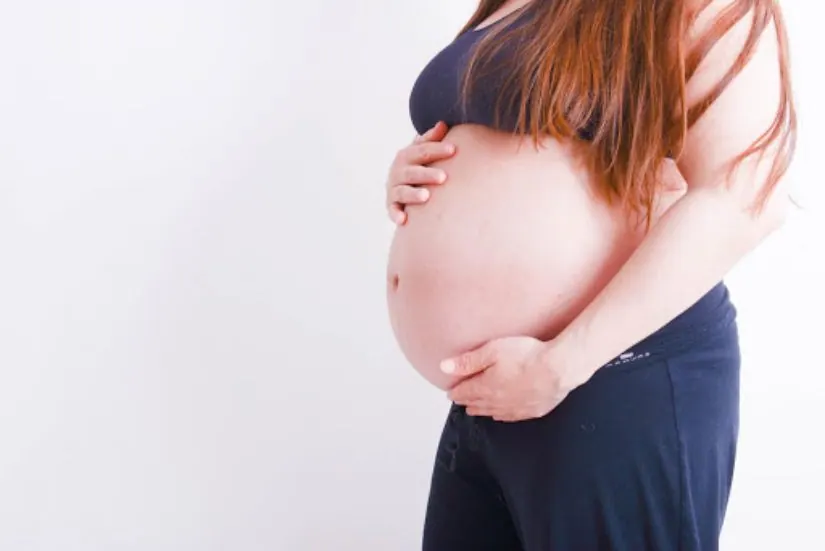
During pregnancy, body weight increases not only because the fetus is developing but also because many physiological changes take place. These include:
- Blood volume throughout the body increases, while blood flow slows down. This can contribute to fluid retention and make it easier to put on weight.
- Bowel movements slow down because of the hormone progesterone. Many pregnant women may suffer from constipation and notice slower digestion.
- The developing placenta adds weight (placentas can weigh between 3 and 5 kilos, about 7 to 11 pounds).
- The volume of amniotic fluid (it varies with each body and pregnancy) is usually between 1.5 and 2 liters, which is the same number of kilos (about 3 to 4½ pounds).
- More fat stored in the body is another factor and physiological change in a pregnant woman. It shouldn’t exceed 26% of the weight gained.
All these changes related to the pregnancy make body weight increase naturally. Normal weight gain in pregnancy is considered to be between 7 and 11 kilos (about 15 to 24 pounds). The upper limit is about 15 kilos (33 pounds), which is now considered a dangerous gain for the woman’s health.
If the woman had a normal body weight before getting pregnant and is carrying a single baby, gaining more than 15 kilos (33 pounds) during pregnancy would be considered gestational obesity and a high risk to her health.
How to control weight gain during pregnancy
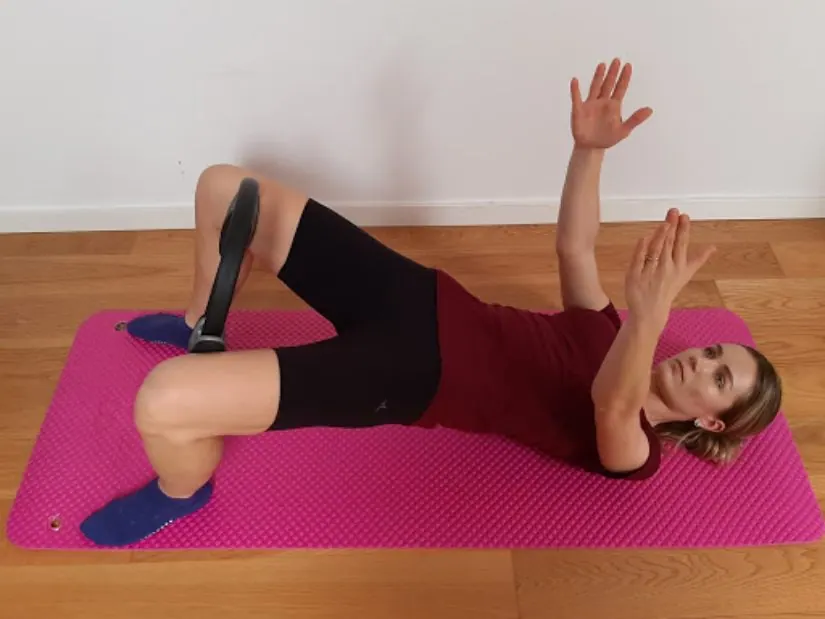
Every pregnant woman should check her weight regularly. This is the best way to keep track and know whether we’re within the best limits for our health. At check-ups with the midwife, physiotherapist or gynecologist, the pregnant patient is usually weighed and her weight gain is noted in her pregnancy record.
Physical activity is the best way to control weight gain throughout pregnancy. Currently, the WHO recommends at least 150 minutes of physical activity a week. If the woman can exercise and walk every day, that would be ideal to avoid gaining too much weight. In addition, by exercising regularly we’ll have better control of blood pressure, avoid gestational diabetes and reduce the risk of preeclampsia. The most recommended physical activities for controlling weight in pregnancy are:
- 1-hour walks. Walking every day, or at least three times a week, for an hour at a good pace is the best way to lower blood glucose levels and control weight. It’s important to know that strolling slowly doesn’t have the same effect. Pregnant women should walk briskly (until they notice their breathing speed up), with the right footwear, well hydrated and without feeling exhausted or short of breath.
- Strength training. Doing toning workouts, including exercises for large muscle groups, with resistance bands, weights, a Pilates ring, a kettlebell… helps build muscle mass. With more muscle mass, the percentage of body fat drops and metabolism improves significantly.
- Prenatal Pilates exercises. Pilates-based workouts increase muscle mass, elasticity and joint mobility, and at the same time help fight constipation.
You may be interested in → Ball exercises to help dilation during labor
- Low-impact cardio. Low-impact aerobic workouts, such as a stationary bike, elliptical, swimming, climbing stairs, hiking, brisk walking or Nordic walking, activate the cardiovascular and muscular systems and help burn calories. Cardio workouts should be done twice a week.
The importance of a balanced diet for controlling weight during pregnancy

Nutrition during pregnancy and postpartum is essential for the normal development of the placenta and the baby and for a proper recovery after birth. During pregnancy, starting a special diet isn’t recommended; instead, adjust your diet so it’s balanced and healthy.
Foods that pregnant women should avoid, to prevent gestational obesity or because they’re directly contraindicated, are:
- Processed foods (pastries, cookies, fruit-flavored drinks, ice cream, ready-made cakes, frozen pizzas and pasta, burgers, instant soups, chips, etc.).
- Sodas.
- Store-bought sweets.
- Red meat.
- Fish high in mercury.
- White bread.
It’s recommended to eat more healthy foods, such as:
- Vegetables (at least 3 servings a day).
- Fruit (at most 1 piece a day, avoiding fruit high in sugar, such as plums, melon or grapes).
- Legumes.
- Fish.
- White meat.
What negative effects can being overweight have during pregnancy?
Excessive weight gain during pregnancy brings many complications that can affect the health of both the woman and the baby. The negative effects of being overweight can include:
- Higher risk of gestational diabetes.
- High blood pressure.
- Higher risk of preeclampsia.
- Higher rate of premature births and cesareans.
- Macrosomia (high birth weight).
- Being overweight and type I diabetes in later years.
- Higher risk of urinary or fecal incontinence during pregnancy and postpartum.
- Higher risk of genital prolapse postpartum, due to greater intra-abdominal pressure.
- Increased risk of thrombosis during the third trimester.
- Higher rate of depression during pregnancy and postpartum.
When should I start exercising if I’m pregnant?
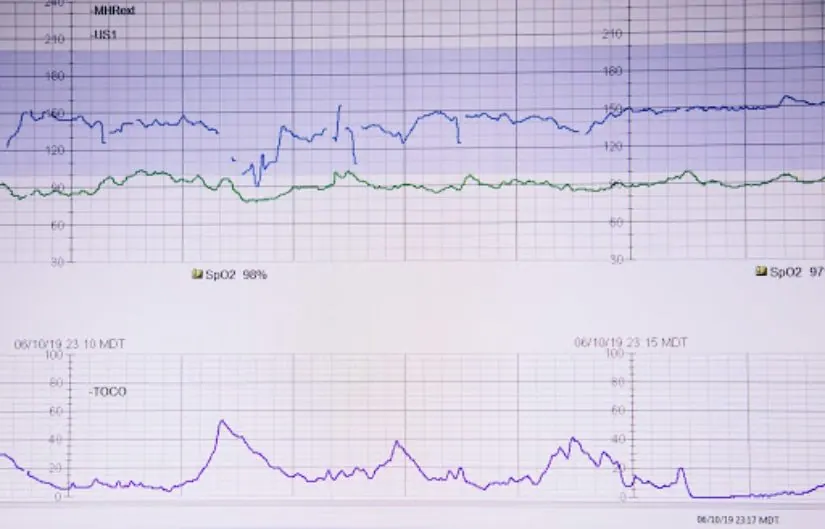
If the woman exercised regularly before getting pregnant and her pregnancy isn’t high-risk, there’s no contraindication to continuing to exercise from the first trimester.
You may be interested in → How to train safely during pregnancy, with exercises for every level
If the pregnant woman wasn’t used to exercising regularly in the months before conception, she should wait until week 12 to start exercising. And before starting, we recommend a first assessment of the pelvic floor, abdominal muscles and spine, reviewing the ultrasound reports and adapting the exercise to her current health.
Now that you know how to avoid weight gain during pregnancy, you can start putting these tips into practice and enjoy a healthy pregnancy. If you need more information, don’t hesitate to put yourself in our hands.
At Suelo Pélvico we specialize in physiotherapy for pregnant women. Book your first appointment and we’ll help you get started with simple exercises that bring countless benefits to your health and your baby’s.


Prepare for your birth at our clinic in Valencia
We support you throughout your pregnancy with physiotherapy for pregnant women, adapted to each trimester and your situation. Can’t come to Valencia? We also see patients in an online consultation.