
3 compelling reasons to look after your pelvic floor after a cesarean



Article content
Most of us are aware that after a vaginal birth it’s essential to assess the pelvic floor and plan a recovery tailored to each patient. It may seem obvious, as all the perineal muscles are greatly stretched during the pushing stage and, in some cases, an episiotomy is performed, which increases the risk of dysfunction. It would be like having a muscle injury and not considering rehabilitation. Or even worse, wanting to return to the same level of physical activity without having recovered first.
Fortunately, it’s becoming more and more common to see a urogynecology specialist who prescribes the right exercises and treatments for a good postpartum recovery.
But what if the birth was by cesarean? A common mistake is to think that, because the baby didn’t come through the vaginal canal, the pelvic muscles haven’t suffered. In reality, a cesarean birth can cause other types of injury that also need specialist pelvic treatment.
Why should we assess the pelvic floor after a cesarean?
Every woman and every pregnancy is different.
During pregnancy there are several postural changes that affect pelvic floor tone. The pelvis gets wider and shifts forward. This can change the function and/or tone of the pelvic floor.
In addition, weight gain, the production of certain hormones and reduced physical activity also weaken the pelvic muscles. So every pregnant woman, from the second trimester, should work on her pelvic floor and, after the birth, whether vaginal or by cesarean, keep exercising it.
The factors that most affect the pelvic floor
The risk factors in pregnancy that most directly affect the pelvic floor are:
- Twin pregnancy.
- Weight gain of more than 20 kg (44 lb).
- High-risk pregnancy requiring complete bed rest.
- Gestational diabetes.
- IVF pregnancy (with prior ovarian stimulation).
How a cesarean affects the pelvic floor
1. The cesarean scar
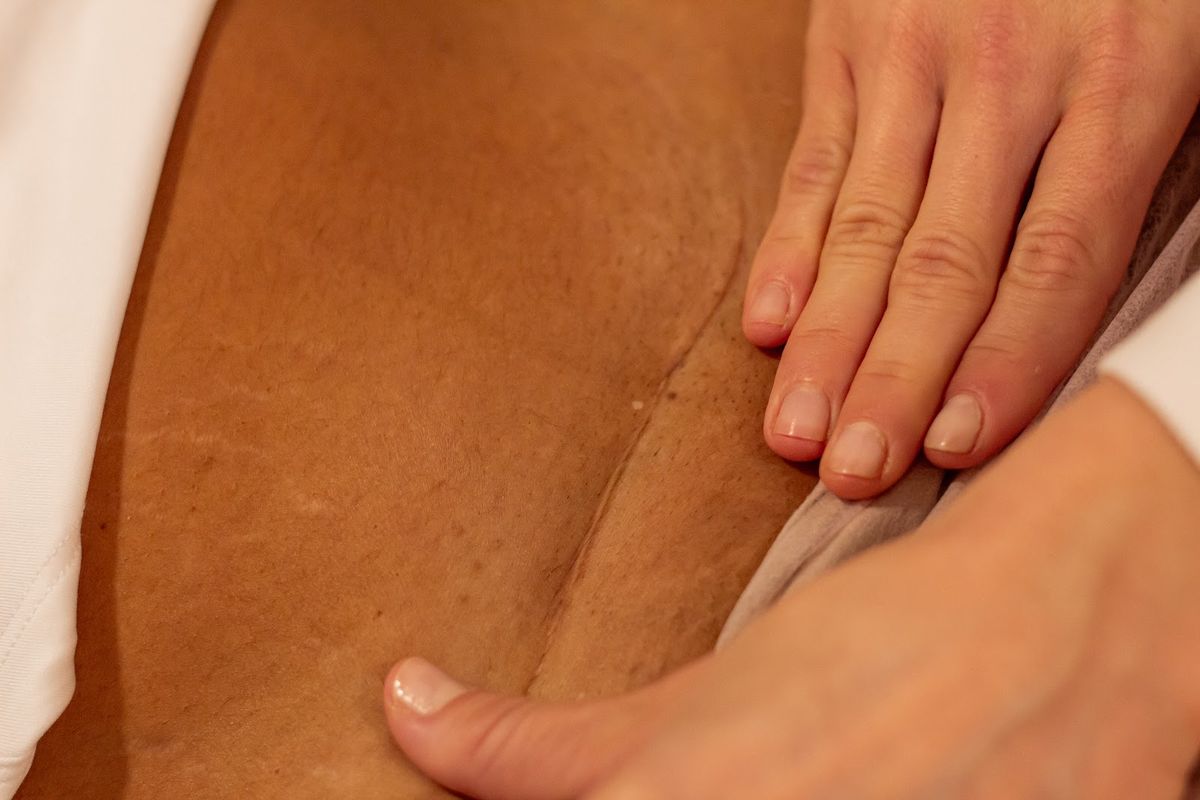
It’s absolutely true that a cesarean doesn’t weaken the pelvic floor in the same way as a vaginal birth. However, the abdominal scar after a cesarean needs to be assessed by a professional and then worked on. The scar on the skin (the one we see) should not only be thin but also have good mobility and good color, and be free of adhesions or keloids.
Sensation under the scar may change, or we may feel nothing at all when we touch it. A troublesome, adhered scar will cause dysfunction in the abdominal and pelvic floor muscles in the long term. Some women even notice tightness in the abdominal and perineal area, pain during sex or increased tone in the vaginal walls. All this happens because of adhesions in the external or internal scar after a cesarean.
2. The abdominal muscles
The abdominal muscles will also be affected, especially the deepest one, our corset: the transverse abdominis, the muscle that contains and supports.
The transverse abdominis connects the pelvic floor and the trunk. It’s the most important muscle in working our core. If it’s weakened because of the cesarean scar, prolapse and stress incontinence can appear, and our pelvic floor will lose the protection of the abdominal wall.
3. The breathing muscles
Sometimes women who have had a cesarean switch to abdominal breathing. The diaphragm is often tight, with higher tone, which in the future could increase abdominal pressure. If abdominal pressure is raised, the pelvic floor is pushed down.
This is another risk factor for genital prolapse. Postural re-education, breathing exercises, hands-on work and diaphragm relaxation are the techniques we use with every woman after a cesarean.
What are the steps of recovery after a cesarean?
The first thing is to give yourself time and rest. A cesarean is surgery and the body needs time to heal.
So it’s best to wait at least 4 weeks before the first assessment and before starting exercises. Remember: don’t start exercising (not even Kegels) without a physiotherapy assessment first. Your pelvic floor may be hypertonic, and exercising it could make it worse.
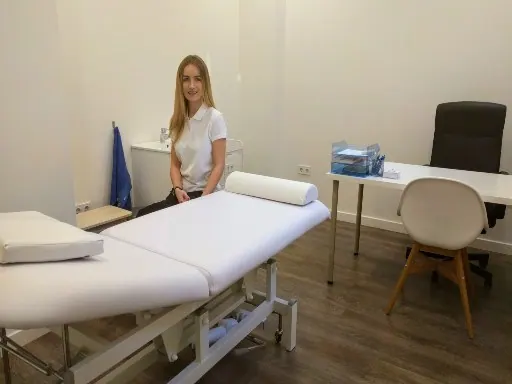
1. Assessment by a physiotherapist specializing in gynecology (after 4 weeks)
2. Work on the scar (massage, moisturize, mobilize)
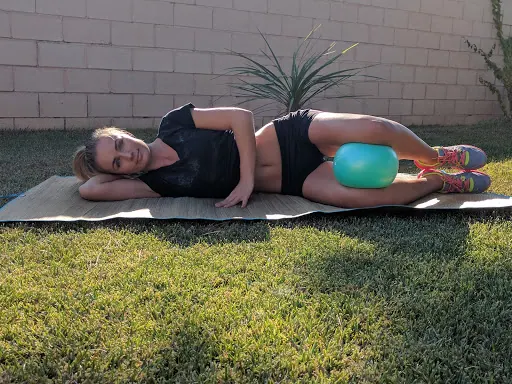
3. Do pelvic floor exercises (Kegels, inverted Kegels, Kegels with Kegel balls or with biofeedback)
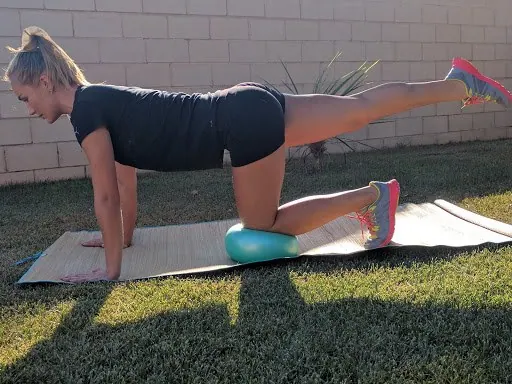
4. Exercises for the transverse abdominis (especially in inverted positions, for example on all fours)
5. Hypopressive exercises

6. Permitted aerobic training: swimming, walking, the elliptical or cycling
All women who did high-impact sports before pregnancy, such as running, jumping, weightlifting, tennis or horseback riding…
should now wait a year after giving birth by cesarean. Before starting these activities, they need to regain pelvic floor and abdominal wall tone and lumbopelvic stability.
The uterus takes 6 to 12 months to heal, and the body’s deep muscles at least 12 months to regenerate. So let’s make the most of the first year after birth to get into the best possible shape.
Either way, if you’d like a professional to advise you on looking after your pelvic floor after a vaginal birth or cesarean, at SueloPélvico we offer you the best possible care. Book an appointment now!


Recover after giving birth in Valencia
We see how you’re doing and support you at your own pace with postpartum physiotherapy, whether you had a vaginal birth or a cesarean. Can’t come to Valencia? We also see patients in an online consultation.