What endometriosis is and how to treat it with physiotherapy



Article content
What is endometriosis?
If you’re wondering what endometriosis is, here’s an easy-to-understand answer. Endometriosis is a condition that affects many women, mainly those of childbearing age, and recovery takes longer than usual if treatment only starts at an advanced stage.
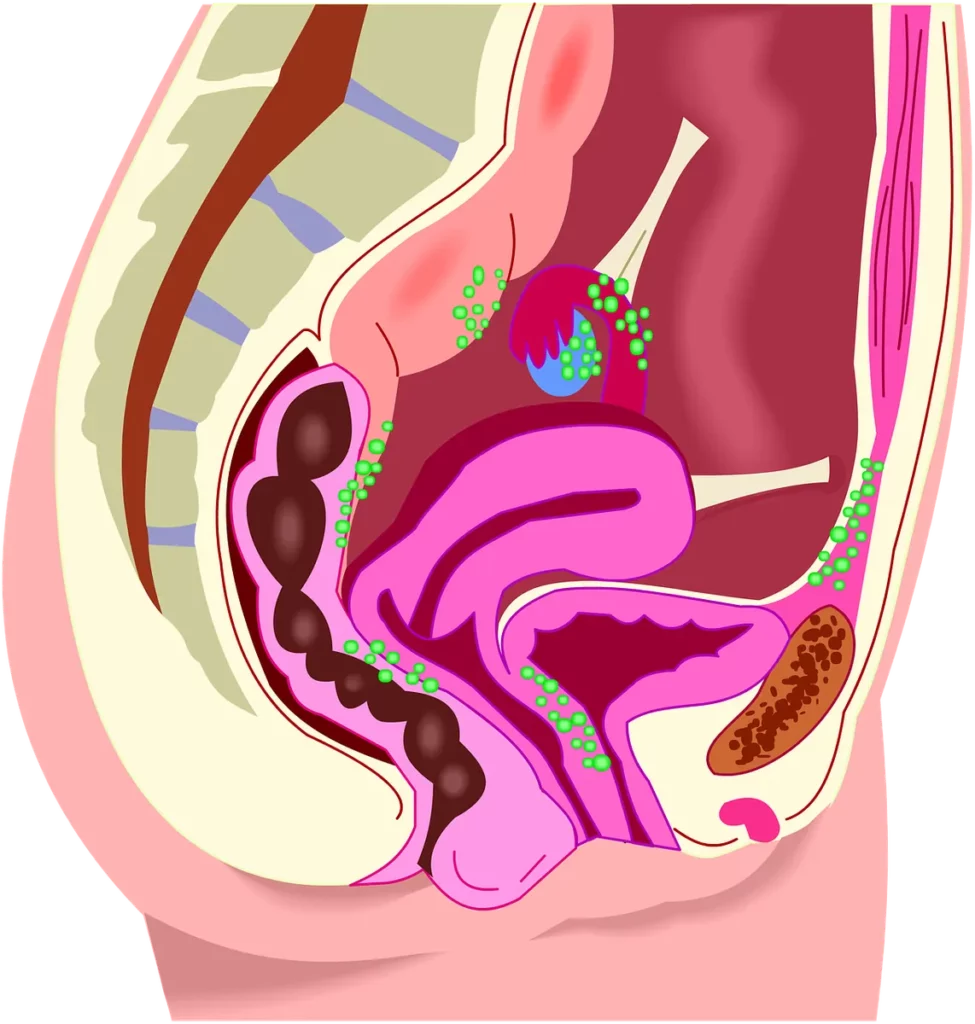
Endometriosis causes tissue similar to the lining of the uterus to grow abnormally in organs other than the uterus.
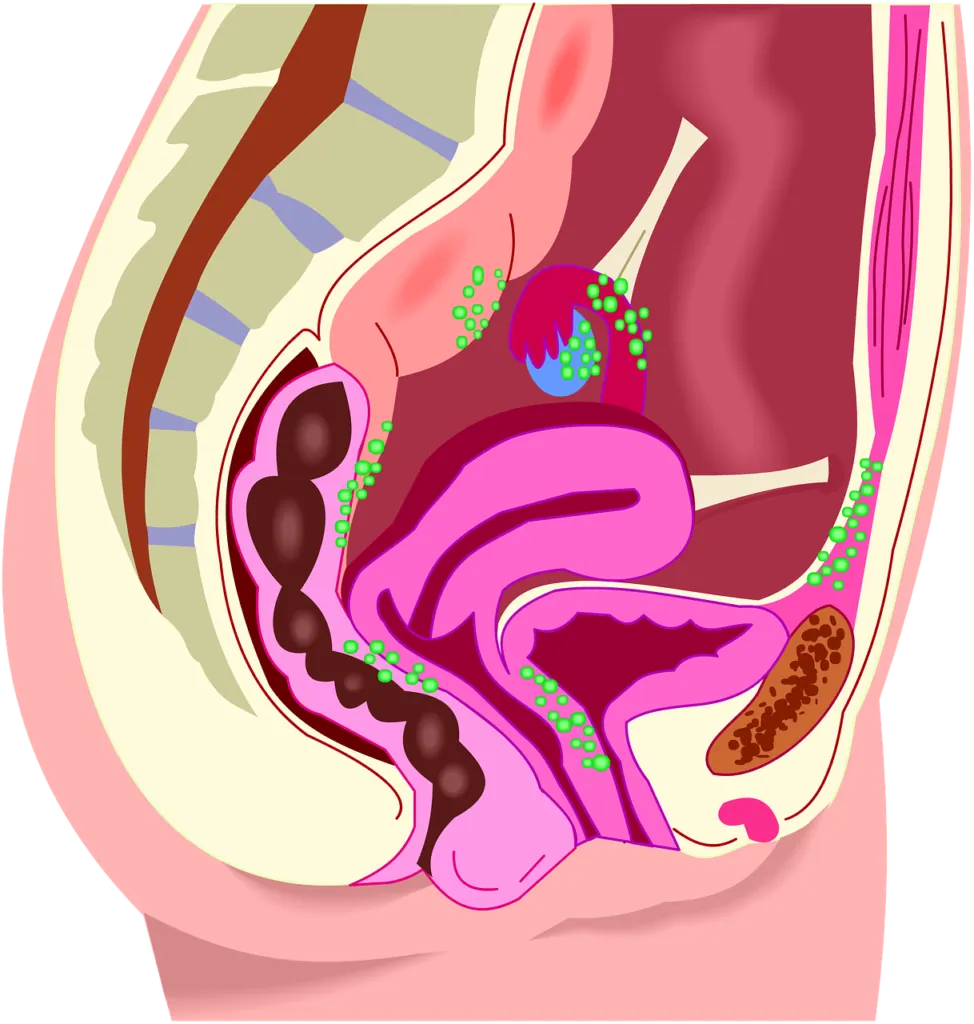
The most common areas where endometriosis can occur are:
- The pelvic cavity (directly affecting the pelvic floor).
- Behind the uterus.
- The uterine ligaments.
- The ovaries.
- The bowel.
- The bladder.
What are the symptoms of endometriosis?
Endometriosis is diagnosed by a qualified medical professional (gynecologist) using tests such as laparoscopy or ultrasound. Some of the associated symptoms are:
- Severe abdominal pain during your period.
- Vaginismus.
- Cramps that interrupt physical activity.
- Abdominal swelling.
- Swelling over the sacrum.
- Fatigue.
- Pain during sex.
- Heavy bleeding outside your period.
- Nosebleeds during your period.
- Infertility (the most common reason for seeking help).
- Diarrhea, constipation, nausea.
- Frequent vaginal infections.
- Muscle knots around the vagina, vulva and anus.
- Hypertonia of the pelvic floor muscles.
- Redness and swelling of the vulva.
In the severe stage, adhesions form that can spread via the lymphatic system to other organs (bowel, rectum, bladder, lungs).
Local inflammation caused by endometriosis is a key factor in the formation of adhesions. They can form as a result of endometrial bleeding, leading in turn to the formation of scar tissue. Often the scar comes into contact with another inflamed area and forms adhesions (a band of scar tissue that is hard to break).
The most common adhesions are those that form in the pelvic cavity (causing chronic pelvic pain). They can range from thin and transparent to very thick and dark. When there are adhesions of this second type in the pelvis, we talk about “frozen pelvis” or “pelvic congestion.” This causes hormonal changes, inflammation and anatomical disorders that can affect the eggs and, as a result, lead to infertility or sterility.
When endometriosis directly affects the ovaries, so-called “chocolate cysts” (because of their color) form. The symptoms of endometriomas are pelvic pain, a feeling of fullness and pressure inside the pelvis, or pain during sex.
Physiotherapy treatment for endometriosis
In the rehabilitation of women with endometriosis, the most important thing is to lower the tone of hypertonic muscles: the pelvic floor, rectus abdominis, quadratus lumborum… External and internal perineal treatments are used to get the best results.
The first appointment is an initial assessment of the patient: we take her medical history (asking about any operations or surgical procedures in the past and her obstetric history, such as births, cesareans, miscarriages or postpartum complications) and examine the pelvic floor, abdomen, diaphragm and all the external muscles of the pelvis. Then specific tests are done to assess the joints of the pelvis and spine.
Physiotherapy treatment for endometriosis helps relieve the symptoms of the condition and also supports post-operative recovery in more severe cases.
Techniques for treating endometriosis
The techniques we offer are:
- Diathermy: high-frequency, to relieve swelling over the pubis, sacrum and abdomen (pelvic and perineal drainage).
- Manual lymphatic drainage: to reduce swelling throughout the lower body, needed after surgery for endometriosis. It is done in a draining position (with the legs slightly raised) on the legs, groin, pelvis and abdomen. Drainage helps lymph circulate and reduces inflammation and swelling. Along with lymphatic drainage, it’s recommended to:
– Do exercises to improve circulation (exercises with your legs resting on a fitball).
– Not cross your legs.
– Avoid very tight clothing.
– Shower with cold water.
– Stay well hydrated (drink plenty of water).
– Avoid high-impact sports that increase the lymphatic load (running, jumping).
- Heat applications: to the vulval area and inside the vagina to reduce hypertonia.
- Perineal massage.
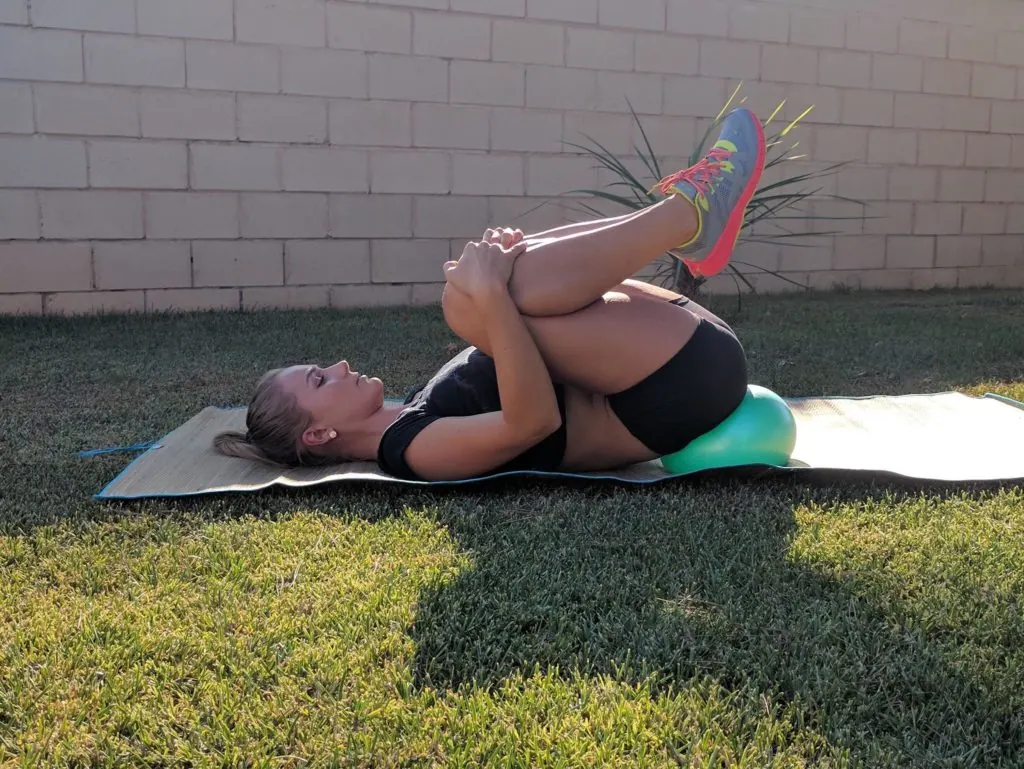
- Pelvic floor relaxation exercises: for example, lying on your back on the floor, bring your knees to your chest and hold them with both hands. In this position, try to relax the whole perineal area, buttocks and lower back. Deep breathing will help: as you breathe in, send the air to the sides of your rib cage and, as you breathe out, imagine the joints of your pelvis opening and your pelvic floor muscles relaxing. Kegel balls are a perfect complement to these exercises.
- Hypopressive exercises: to normalize abdominal and pelvic muscle tone.
- Proprioception.
- Fitball exercises to mobilize the lower back, sacrum and pelvis. Self-massage of the perineal area with the fitball helps the pelvic floor relax: sitting on the ball with your legs apart and feet on the floor, move your pelvis in circles. You’ll feel a gentle massage of the whole perineal area as it relaxes.
- Perineal dry needling.
- Manual and foam-roller myofascial massage.
- Some yoga postures: lymphatic drainage postures for the abdominal and pelvic area. One of these is: on all fours, with your knees a little wider than hip-width apart, rest your forehead on the floor and stretch your arms forward. In this posture your pelvis is higher than your rib cage and head. It encourages lymphatic drainage in the abdominal and pelvic area and relaxes the pelvic floor at the same time.
- Infrared on the lower back and sacrum to relax the area.
- Biofeedback to work the pelvic floor muscles.
Now that you know what endometriosis is and how it’s treated, don’t hesitate to get in touch with me with any questions or if you’d like to book specialist treatment for endometriosis.


We support you with endometriosis in Valencia
We work on pain and pelvic tension with physiotherapy for endometriosis, as part of your gynecological treatment. Can’t come to Valencia? We also see patients in an online consultation.