Which exercise is recommended during IVF treatment



Article content
It’s an unquestionable fact that sport brings many benefits to women’s health during pregnancy and postpartum. Of course, done with the right precautions and individual follow-up in each case, but there’s no longer any doubt that an active pregnancy leads to births with fewer complications and faster postpartum recoveries. However, among those ‘individual cases’ we mentioned, there’s one in which women seriously wonder whether they should have an active pregnancy: women who have started assisted reproduction treatment.
Can I exercise if I’m going through IVF to get pregnant? On the one hand, and as long as there are no general contraindications, it’s important not to start treatment overweight, as this can have a negative effect on the outcome. Women with obesity have a poorer ovarian response and implantation rate. So before starting assisted reproduction treatment, you need to be at a healthy weight, and during pregnancy you should continue with guided exercise.
- You may be interested in: How to avoid unhealthy weight gain during pregnancy
Can I exercise in every phase of IVF treatment?
The IVF process is divided into three phases, and our physical activity should match each stage of treatment so it can succeed. These are the phases of IVF treatment and the type of exercise you can do in each.
1. Ovarian stimulation
In this phase, hormone medications are used to induce multiple ovulation. Instead of producing one egg (as in a natural cycle), more eggs mature so that more embryos can be obtained.
During this phase it’s recommended to slow down physical activity, as the ovaries get bigger and sport can cause some discomfort. In addition, during this hormone treatment the aim is to remove any factor that could inhibit the growth and production of eggs.
So the patient should avoid intense exercise, limiting her activity to daily walks of up to an hour and doing everything she can to lead a calm life.
2. Egg retrieval and fertilization
Egg retrieval is a medical procedure in which the mature eggs are collected so they can then be fertilized with sperm in the laboratory. After fertilization, the embryos are monitored in the laboratory to select the best ones to transfer to the woman’s uterus.
Physical activity on the day of egg retrieval isn’t advised, as the woman should be calm and relaxed before going to the gynecology appointment. Exercise on the same day and excessive muscle tension in the abdomen and pelvic floor could make the procedure harder or more painful.
However, after egg retrieval, while the embryos are being selected and developing, the woman can do low-impact sport without any risk.
3. Embryo transfer
This involves placing the best selected embryos into the woman’s uterus. The procedure doesn’t require sedation and is completely painless. Moderate exercise can be done the same day.
Should you rest after embryo transfer?
There’s no scientific study showing that rest after IVF is necessary for success. The best advice is to carry on with normal life and our usual activities, so the uterus is properly receptive.
In natural pregnancies there’s no such rest, and many women only realize they’re pregnant weeks after conception. Only in special cases, when there’s a complication or the patient’s health requires it, does the gynecologist prescribe preventive rest.
Which sports can you do during IVF treatment?
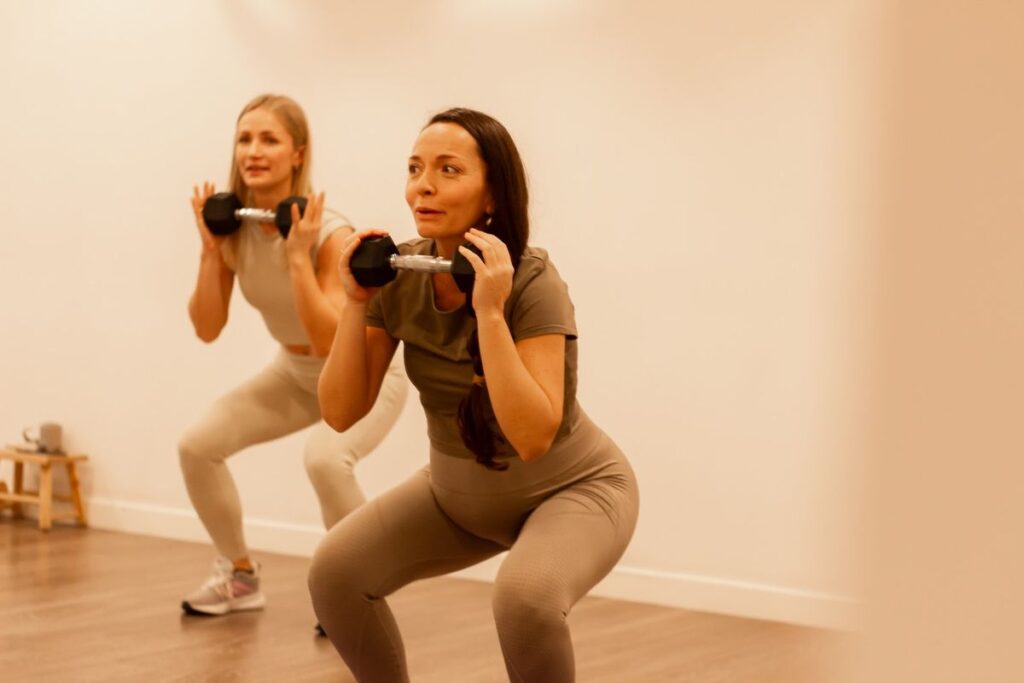
We recommend exercising during IVF treatment after stimulation and egg retrieval, and always low-impact. In other words, any activity involving jumping or lifting weights is contraindicated. For example, it wouldn’t be advisable to do:
- Running
- CrossFit
- Aerobics, step or body pump classes
- Weightlifting or exercises involving lifting weights
These are activities that can make the IVF process harder and prevent implantation, so they’re strongly discouraged.
Low-impact cardio exercises, such as swimming, Nordic walking, the elliptical, a stationary bike and dance, are advisable during IVF treatment and pose no risk to the baby’s development.
Physical activities that work the muscle groups most vulnerable during pregnancy, such as the pelvic floor, the deep abdominal wall, the glutes and the back muscles, are the best for women undergoing IVF. So disciplines such as these are recommended:
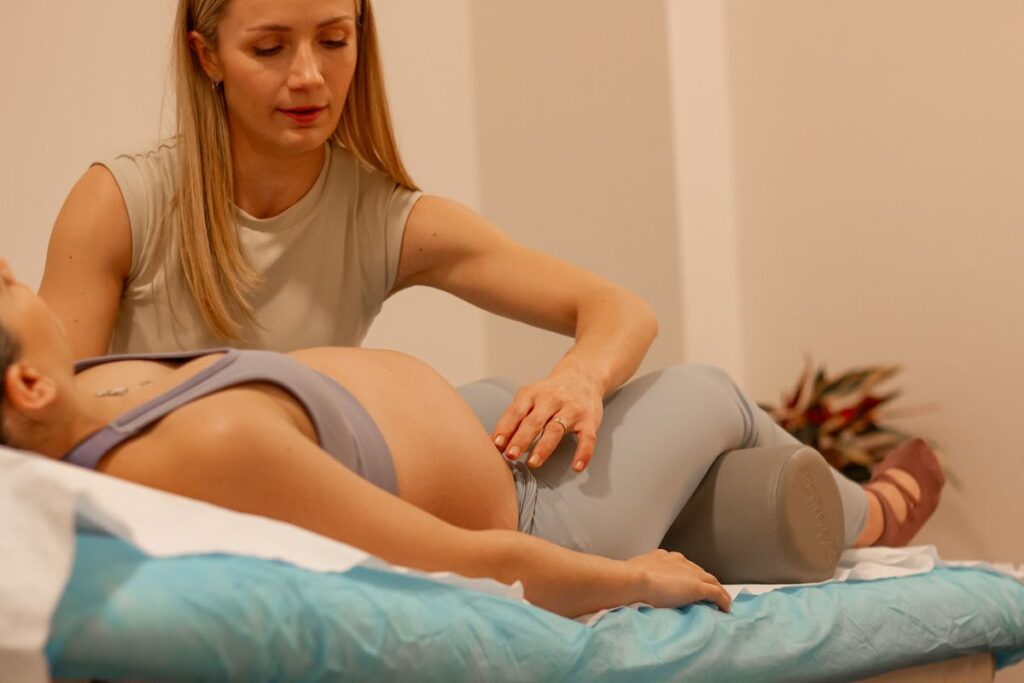
Pilates adapted for women undergoing IVF or for pregnant women
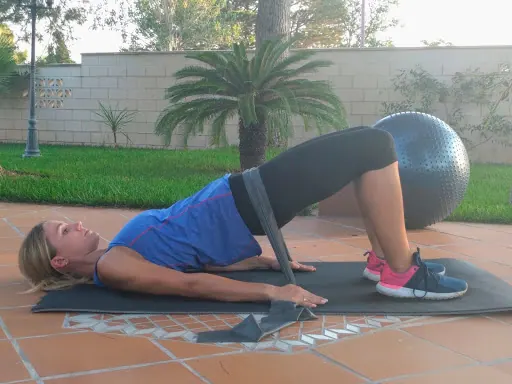
Traditional abdominal exercises (typical of classical Pilates) are avoided and certain positions are modified, such as exercises lying face down. From embryo transfer until the end of pregnancy, women can do Pilates exercises for pregnant women, as long as the baby and placenta are developing properly.
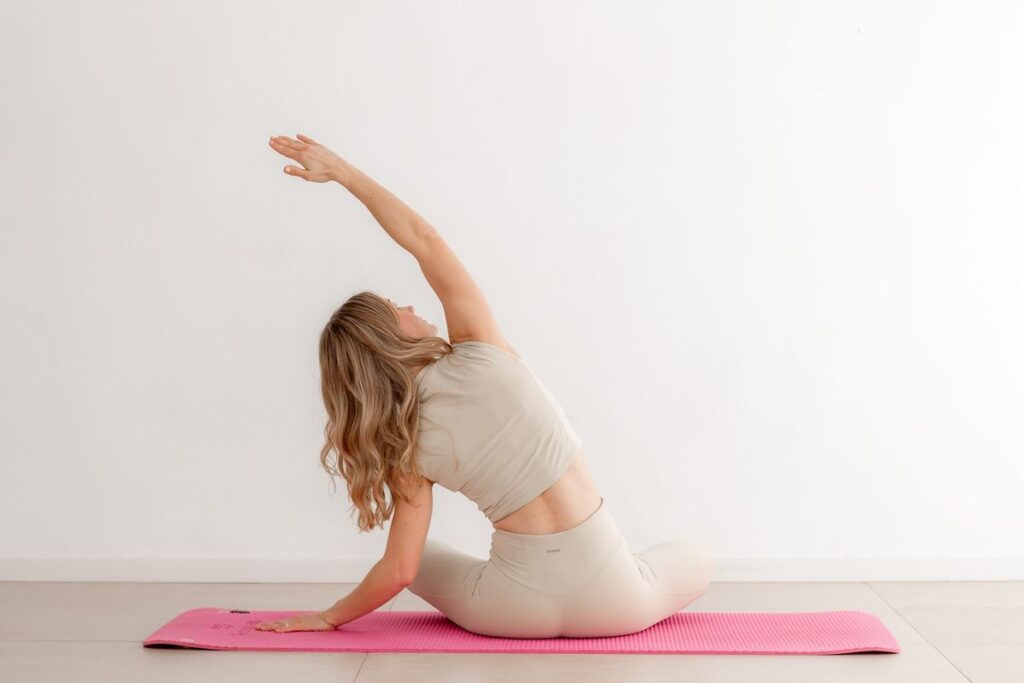
Yoga adapted for pregnant women
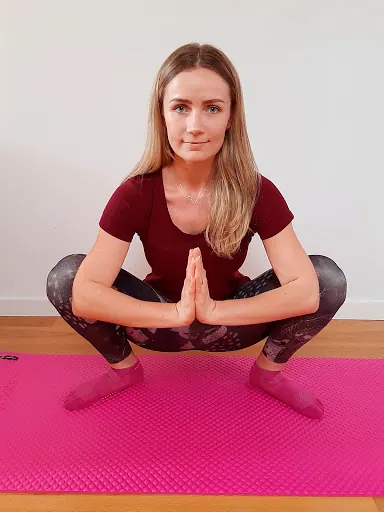
Flexibility and mobility exercises can reduce the muscle tension built up in the pelvic and abdominal area, which is so common in women who have been through several rounds of IVF.
Ballet Fit for pregnant women

It’s a highly recommended activity for IVF patients and pregnant women, as it combines Pilates exercises (toning), posture correction and ballet steps.
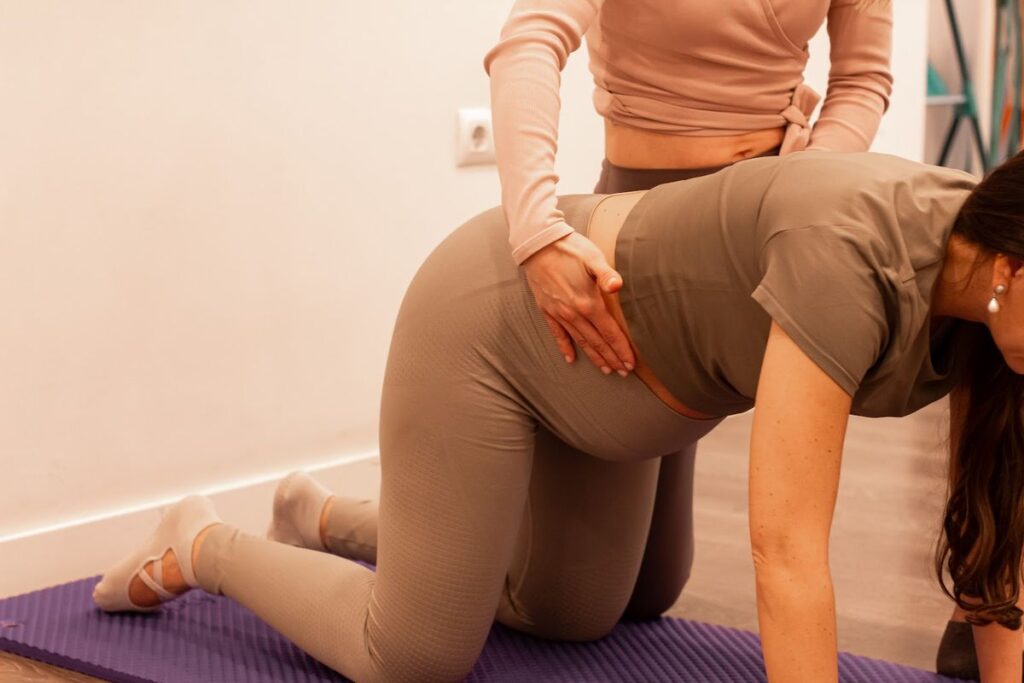
Specific pelvic floor exercises
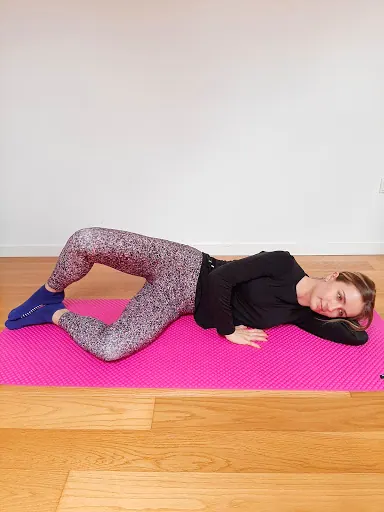
They require a prior physiotherapy assessment and should be guided by a physiotherapist specializing in urogynecology. These exercises provide good tone to prepare the perineal area for pregnancy and birth. They prevent urinary and fecal incontinence and also reduce the rate of genital prolapse, which is so common after giving birth.
Benefits of physical activity during IVF
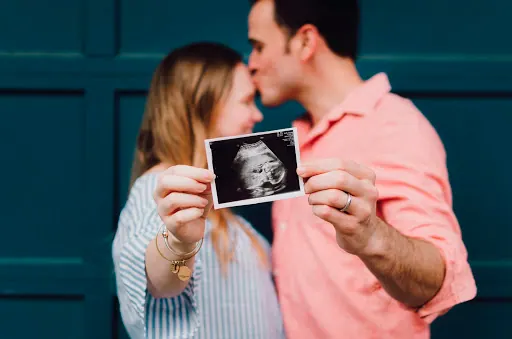
The latest studies have shown that moderate physical activity in women undergoing IVF, and during pregnancy after assisted conception, has many benefits. The most important are:
- The rate of gestational diabetes and preeclampsia in physically active pregnant women who conceived through IVF is significantly lower than in physically inactive pregnant women who conceived through IVF. Source: Charkamyani F, Hosseinkhani A, Neisani Samani L, Khedmat L. Reducing the Adverse Maternal and Fetal Outcomes in IVF Women by Exercise Interventions During Pregnancy. Res Q Exerc Sport. 2019 Dec;90(4):589-599.
- Moderate exercise has a positive impact on placental transporters, which are key to carrying nutrients from mother to baby. Placental function improves significantly in women who exercise regularly. Source: Hutchinson KA, Vuong NH, Mohammad S, Everest C, Leung ML, Bhattacharjee J, Adamo KB. Physical Activity During Pregnancy Is Associated with Increased Placental FATP4 Protein Expression. Reprod Sci. 2020
- The implantation rate in physically active women is higher than in physically inactive women (95% in the group of women who exercised and 77% in women who didn’t). In addition, the live birth rate is higher in women who exercised during IVF treatment than in women who were inactive. Source: Rao M, Zeng Z, Tang L. Maternal physical activity before IVF/ICSI cycles improves clinical pregnancy rate and live birth rate: a systematic review and meta-analysis. Reprod Biol Endocrinol. 2018 Feb 7;16(1):11.
What about you? Are you about to start IVF treatment and want specialized guidance for your exercise routine? Don’t hesitate to get in touch! I’ll create a personalized plan for your needs.


We support you through your fertility treatment in Valencia
With physiotherapy for fertility and IVF, adapted to each stage and always in agreement with your fertility team. Can’t come to Valencia? We also see you in an online consultation.