
Exercises, positions and movements that help dilation during labor




Article content
Birth is the high point of pregnancy. For nine months we’ve been through physical and hormonal changes and various moods, and prepared our pelvic floor with specialized exercises to strengthen the group of muscles involved in the pushing stage and make them more flexible.
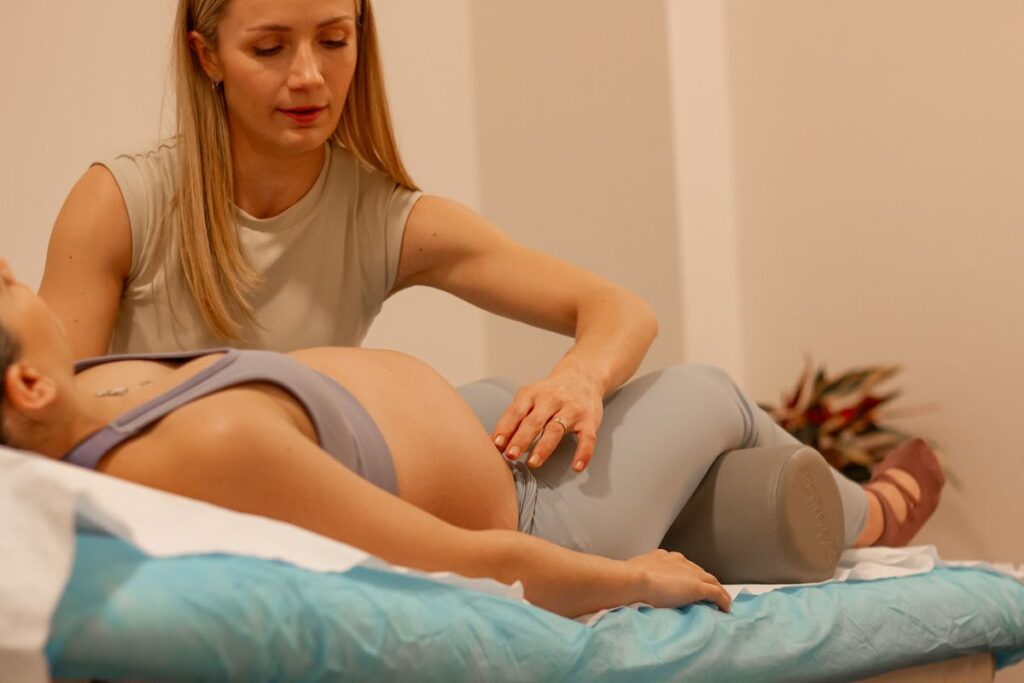
The most common training is Pilates for pregnant women, combined with other specific treatments such as perineal massage. This time, we go through the positions and movements directly related to dilation and vaginal birth that help pelvic mobility, one by one.

Labor: dilation and its stages
The first stage of labor is dilation. It starts when the amniotic sac breaks, commonly known as your ‘water breaking’, and amniotic fluid comes out through the vagina. We feel the first contractions, very mild at first and then more intense. The goal of contractions is full dilation of the cervix.
First-time mothers usually spend longer in this stage, from 8 to 18 hours, and women who have given birth before between 5 and 12 hours.
During the first stage of labor, the baby descends and engages in the pelvis. It’s very important for the woman to be free to move, to cope with the pain, reduce the need for an epidural and adopt upright positions that let the baby descend more quickly (thanks to gravity).
Dilation during labor is divided into three phases:
- Latent labor (contractions every 20 minutes and not very intense; dilation of 3–4 cm).
- Transition (more regular contractions, every 5 minutes and more intense; dilation of 4–6 cm).
- Active labor (very intense contractions, urge to push, dilation of 7–10 cm). The epidural is usually given in this phase if the woman hasn’t asked for it earlier.
How does the pelvis move during dilation?
The sacrum tilts backward. This movement is known as counternutation. The top of the sacrum opens (moves away from the pubic bone) and the coccyx moves toward the pubic ramus.
- It’s an important movement at the start of dilation (in the engagement phase), as it widens the pelvic inlet and lets the baby’s head engage in the pelvis.
- Relaxing the back, pelvic floor and glute muscles allows counternutation.
- Avoid putting weight on the top of the sacrum.
- Apply heat and massage to the lower back.
- Pelvic movements (free pelvis).
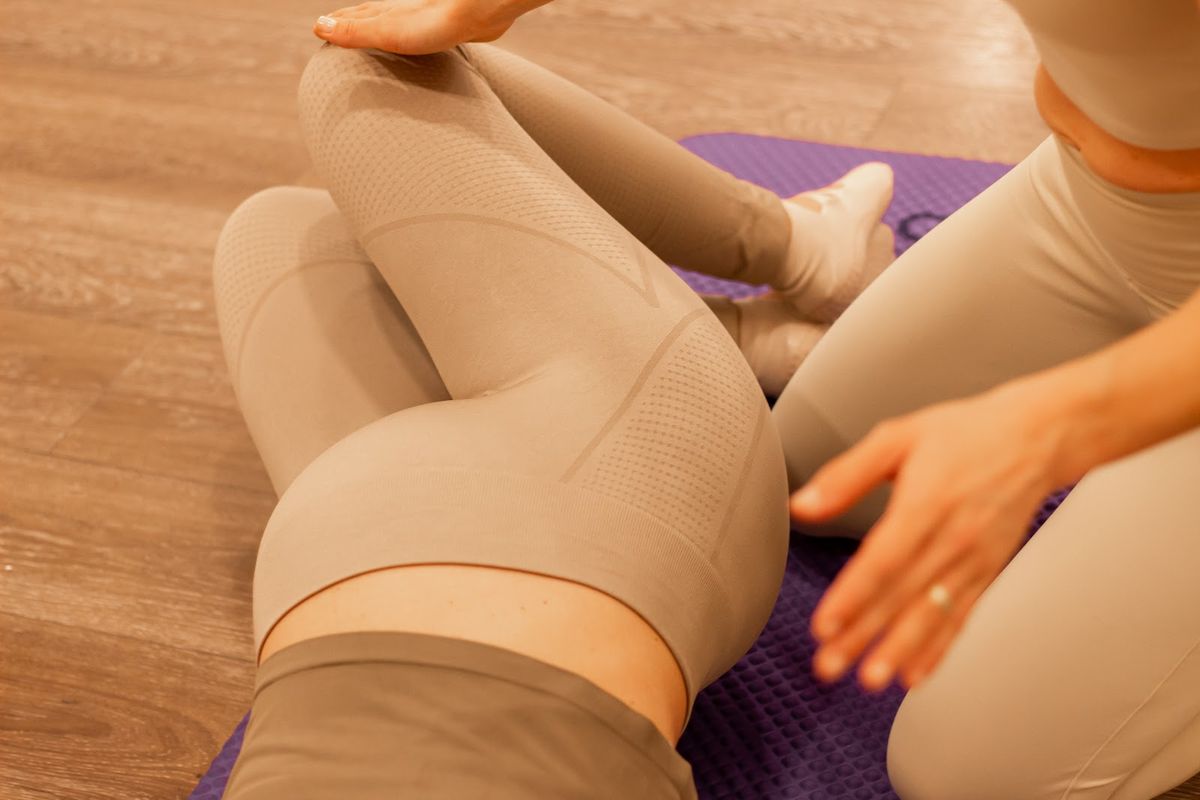
Positions and movements that help dilation (the first stage of labor)
- Sitting on the large ball: tilt your pelvis forward and back, move it side to side or in circles, draw a figure ‘8’.
Effect: Moving the pelvis on the ball relaxes the back, pelvic floor and glute muscles (this relaxation allows counternutation of the sacrum). The circular and figure-8 movements help the baby engage and align well in the pelvis. Sitting on the ball prevents swelling in the vulvar area.
Keeping the pelvis still makes the back muscles contract and keeps the sacrum in nutation; in other words, instead of opening, it closes.
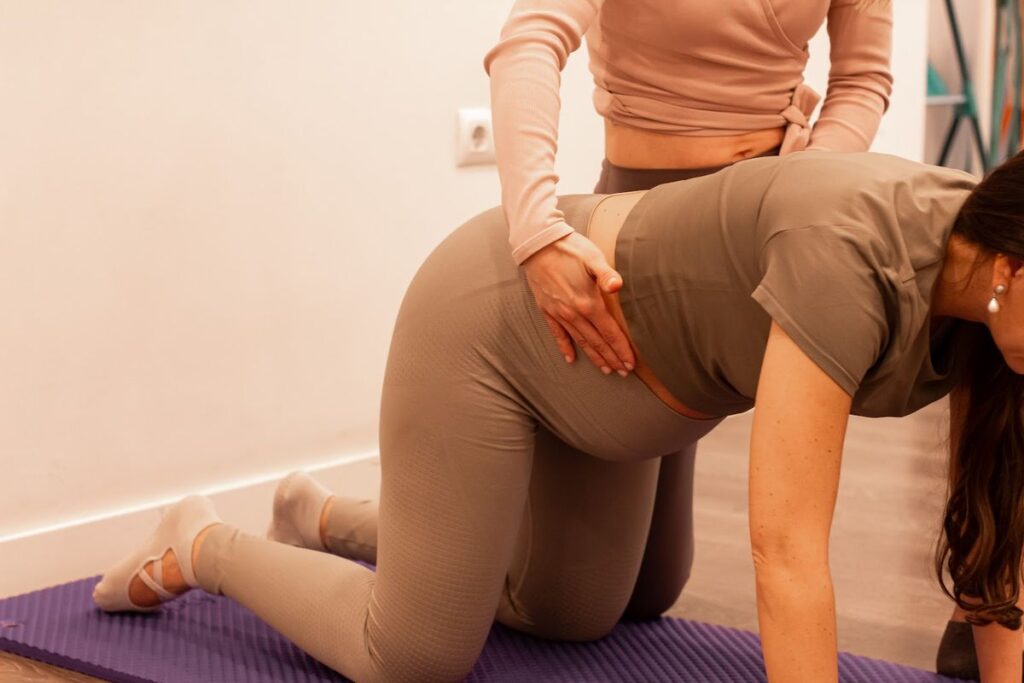
- On all fours with the thighs rotated outward: in this position the hips are bent and externally rotated. You can rest your hands on the bed or floor, or rest your whole upper body on a large ball.
Effect: It opens the upper part of the pelvis. The top of the sacrum opens and the iliac bones move apart.
- Standing, leaning forward: legs apart, hips slightly bent and trunk leaning forward (resting on a wall, a high bar or a person).
Effect: This position relieves sacral and lower back pain, gravity guides the baby toward the birth canal, and the woman is free to move (she can control the birth herself).

The second stage of labor: pushing
This stage of labor is the most critical, for both mother and baby. It’s when the mother’s physical effort is greatest, and the baby’s oxygen supply can change. It’s very important to prepare physically for birth, as this stage demands that we be in good shape.
The expulsive forces depend on the contractions of the uterus, the abdominal muscles and the diaphragm. The work of the abdominal muscles and diaphragm increases intra-abdominal pressure and makes pushing possible. The stronger and more toned they are, the more effective the pushing will be.
How does the pelvis move during the pushing stage?
During the second stage of labor we should allow nutation of the sacrum: the movement in which the top of the sacrum tilts forward and the coccyx opens (moves away from the pubic bone).
Sacral nutation is a very important movement in the pushing stage, as it widens the pelvic outlet. This reduces the need for instruments or an episiotomy and also reduces the risk of tears.
Positions that help the pushing stage
- Lying on your back with the thighs bent and rotated inward: the trunk is lying down and the legs are placed in the stirrups, with the thighs strongly bent and the hips rotated inward. The bottom of the sacrum should be free (not resting on the table).
Effect: Internal rotation of the hips opens the pelvic outlet.
With an epidural, the midwives can place the legs in internal rotation.
- Lying on your side with the legs in an asymmetrical position: the trunk is lying on its side, the top leg is bent with the foot raised and resting on a support, and the bottom leg is straight.
Effect: In this position the sacrum is free to move thanks to the internal rotation of the hip, and the pelvic outlet opens.
- On all fours with the hips rotated inward: the sit bones move apart and the lower part of the pelvis opens.
Effect: The muscles around the sacrum, the pelvic floor and the lower back relax, and the pelvic outlet widens to let the baby out.
There are also natural techniques that help relieve pain during a vaginal birth. Women who don’t want an epidural can try the following techniques:
- Freedom of movement: being able to move throughout labor helps you cope with the pain and gives you a sense of control over the birth. Adopting different positions makes the woman feel more comfortable and shortens labor.
- Support: having your partner or a family member close by helps labor progress properly and reduces stress, pain and fear. It’s important for your partner to attend birth preparation classes and know the techniques that will be used.
- Massage: gently massaging the sacral area and lower back relieves the pain of contractions and relaxes the muscles, which allows the pelvis to open. Women feel cared for and less anxious.
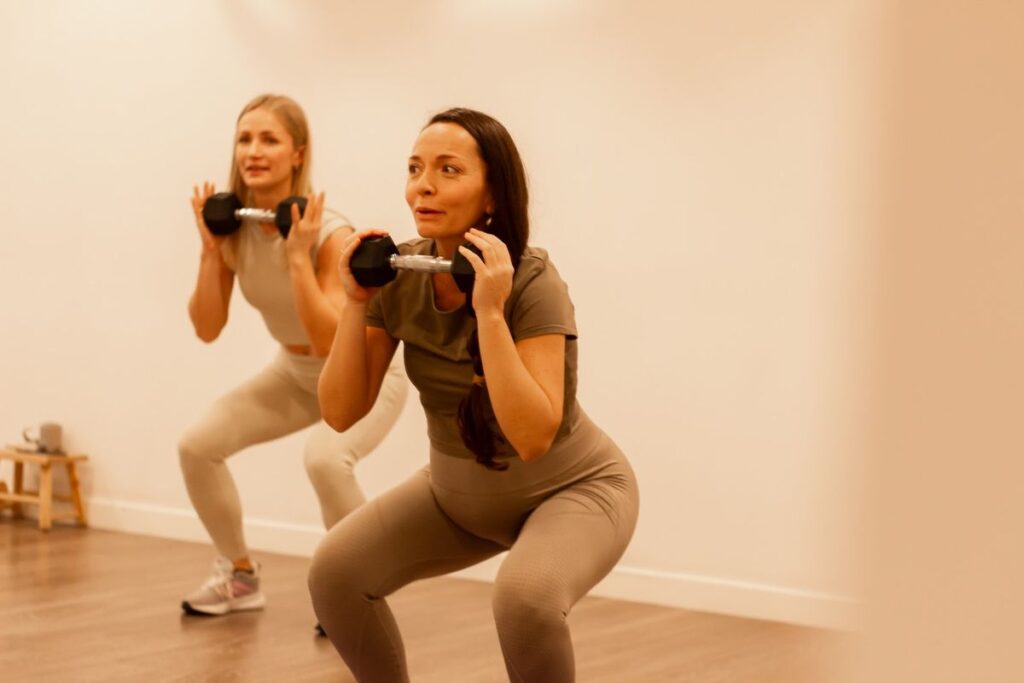
I recommend that all my pregnant patients practice the exercises that help dilation in the last weeks of pregnancy. Daily practice is important, because during labor these movements need to come automatically and naturally.
To improve the flexibility of the pelvic floor and perineum and avoid tears or episiotomies during the pushing stage, I recommend a couple of sessions with the Epi-No device. We can start from week 34 of pregnancy, as long as the cervix hasn’t started to dilate.
Using the Epi-No involves inserting the probe (balloon) into the vagina after moistening the device with a water-based lubricant. Once the probe is in place, the patient starts inflating it with a hand pump until she feels a gentle stretch inside the vagina. Then she does specific breathing that helps relax the pelvic floor. From week 38 of pregnancy, we add practice of the pushing that will be done in the pushing stage to this stretch.
And remember that after the birth, even if everything went perfectly, you need a new assessment of the condition of your pelvic floor muscles to rule out injuries and understand how to get your pelvic floor back in shape after pregnancy.


Prepare for your birth at our clinic in Valencia
We support you throughout your pregnancy with physiotherapy for pregnant women, adapted to each trimester and your situation. Can’t come to Valencia? We also see patients in an online consultation.