5 original pelvic health products for a different Mother’s Day gift




Article content
May isn’t just the month when Mother’s Day is celebrated in Spain; it’s also the awareness month for pelvic floor problems, an initiative better known as Pelvic Pain Awareness Month. That’s why I wanted to bring these two ideas together to recommend 5 pelvic health products that make original Mother’s Day gifts.
As I’ve written more than once, my mission is to spread the word about the importance of looking after and exercising the pelvic floor to prevent injuries that, unfortunately, are more common than they may seem and affect women’s quality of life, as I see every day in my clinic.
Pregnant women, new mothers, women who aren’t planning more children, or older women: we all need to look after and train our pelvic floor, whatever stage of life we’re in. And in many cases these exercises require equipment, such as the pelvic health products I’ve selected.
The Epi-No probe
Pelvic floor flexibility combined with proper toning is the perfect mix for preparing the pelvic muscles for birth. From week 37, we start perineal stretching with the Epi-No probe. It’s a balloon-shaped vaginal probe that lets us stretch the skin and superficial muscles much more than with perineal massage.
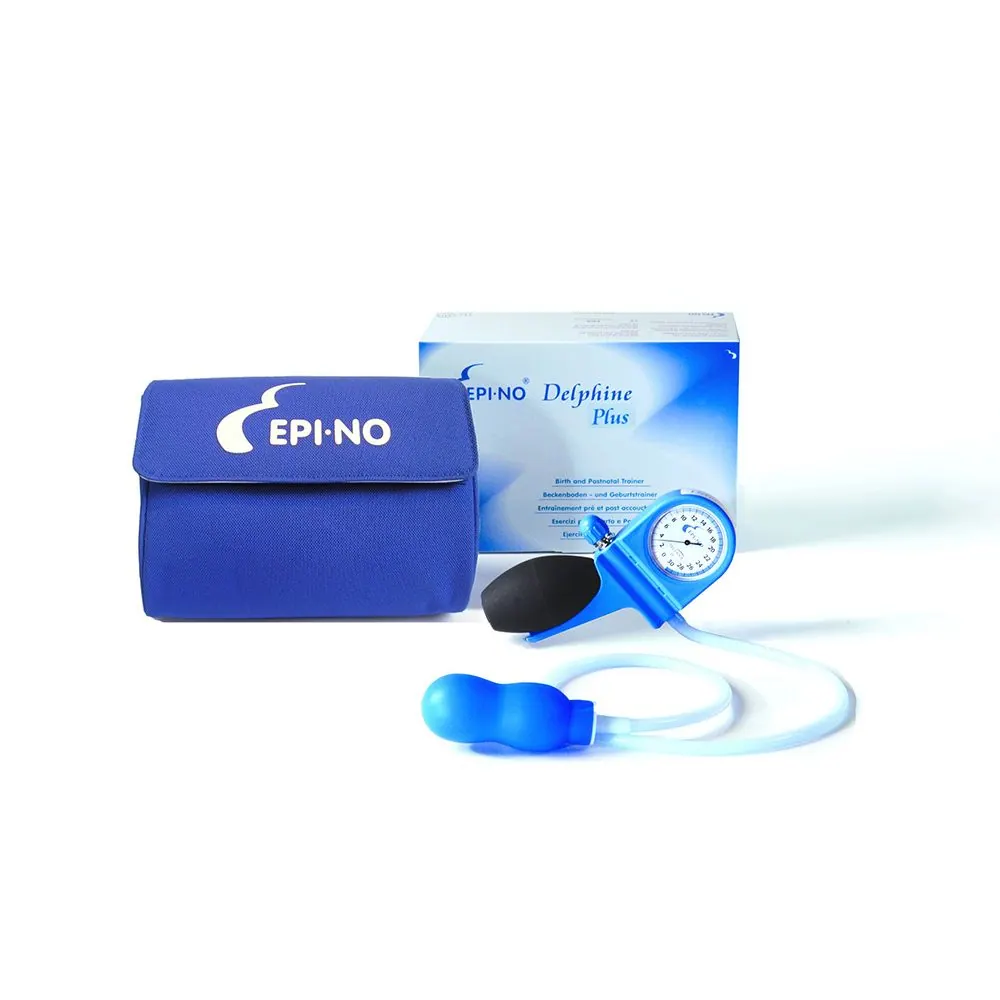
The Epi-No improves the condition of the pelvic floor tissue, makes the vaginal walls more flexible and gets us used to the sensations of birth. From week 38 of pregnancy, we can practice pushing with this probe. First in the clinic with a specialized physiotherapist, and then we can continue at home until the end of pregnancy. Postpartum, the same probe helps us tone and exercise the pelvic floor and therefore prevent urinary incontinence.
Personally, I work with this Epi-No probe, and it’s the one I recommend to my patients.
A menstrual cup for postpartum
The physiological (late) postpartum period ends when we get our first period after giving birth. In women who breastfeed (especially exclusively), the first period can take a while to come back, usually between six months and almost a year. Many factors affect how long you go without a period: breastfeeding, hormone levels, physical activity, diet, etc. In women who decide not to breastfeed from the start, the first period usually returns after 2 to 4 months.
I recommend a menstrual cup to all women who menstruate. It’s a sustainable, more comfortable, cheaper and healthier option. If we have no contraindications to using menstrual cups (any genital infection, painful scars, prolapse, urinary incontinence), we can start with the simplest one: Beppy Cup. I discovered it recently and I’m already a huge fan of their products.
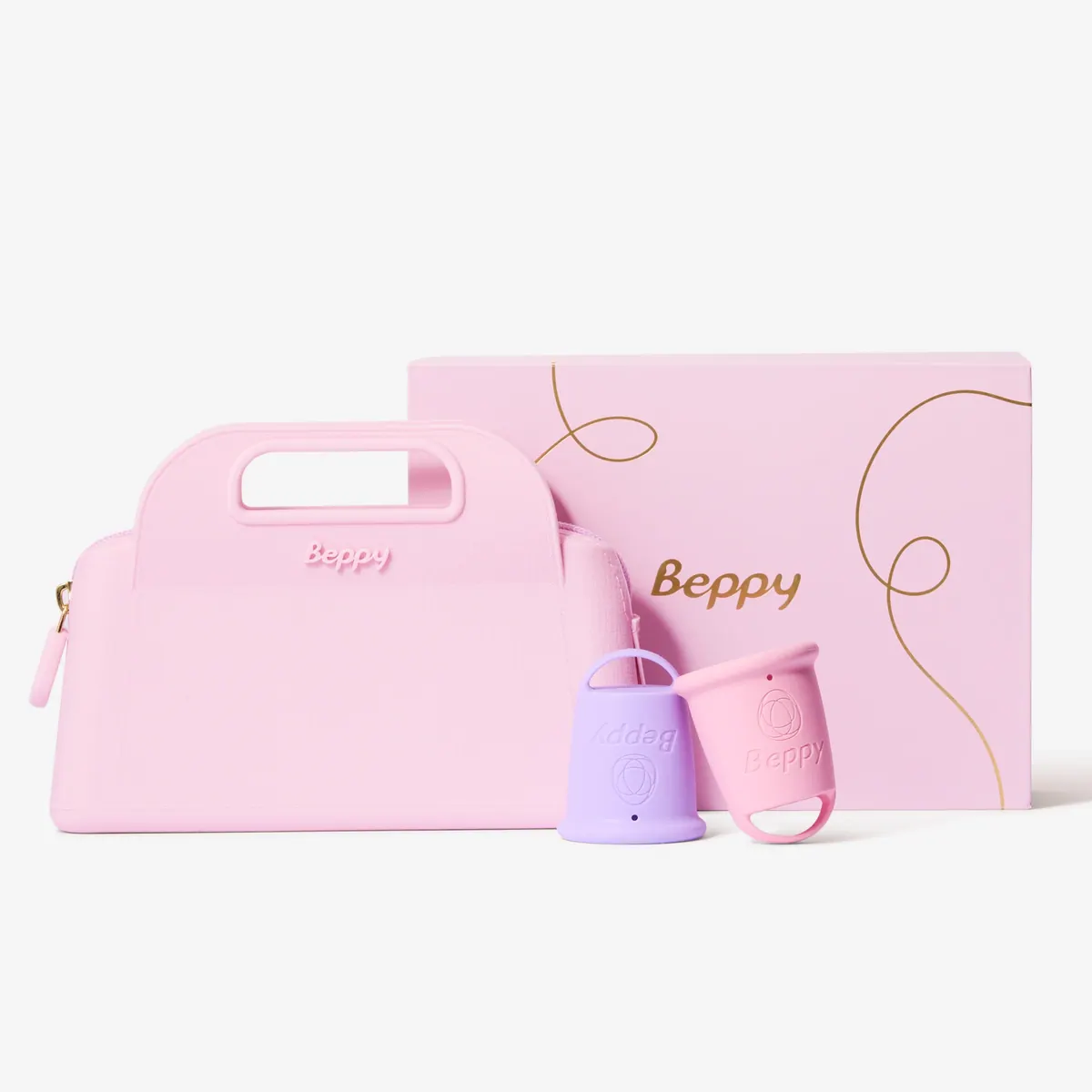
A pelvic support belt for lower back pain in pregnancy
Almost 70% of pregnant women suffer from lower back pain. The discomfort usually appears from week 30 of pregnancy and is felt in the lower back, the sacrum and sometimes the buttocks. Often the pain makes it impossible to exercise or even walk. Physical activity is very important for good birth preparation, so for all mothers with back problems I recommend a pelvic support belt that eases lower back pain and lets them have an active pregnancy.
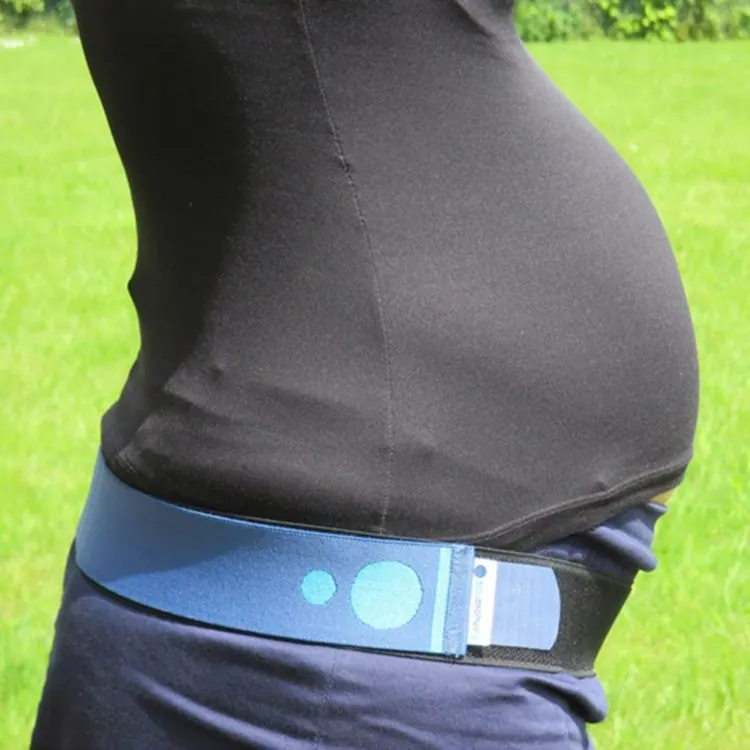
I recommend the Physiomat pelvic support belt, an active support that lets us stay active during pregnancy. It’s worn at hip level and can be worn for longer than non-elastic girdles. It takes the load off the lower back and reduces the feeling of ‘heaviness’ and pressure on the pubic bone and vagina. Because it’s elastic, it’s ideal to wear during physical activity: prenatal Pilates, yoga, walking, the elliptical, etc. Postpartum, the same belt helps the pelvic floor work correctly, as it reduces the feeling of heaviness and instability in the pelvis.
Vaginal dilators to help recovery from tears
Postpartum, after a vaginal birth, it’s essential to have the pelvic floor assessed to rule out genital prolapse and to check the perineal scar (if we had a tear or an episiotomy). If we had a vaginal cut or a spontaneous tear, the wound will heal during the first month after birth. If the episiotomy or tear was deep, healing may take longer.
During the pelvic floor assessment, the physiotherapist will tell us what kind of massage to do on the scar to make it more flexible. Many women have a hypertonic pelvic floor after a very deep episiotomy or an inflammatory process, such as endometriosis. This is increased muscle tone that causes tension in the vagina, pain during sex and an unpleasant feeling with any vaginal touch.
Vaginal dilators or massagers can help with this kind of dysfunction. They’re devices made of medical-grade silicone in different sizes that make perineal stretching or massage easier. They’re comfortable to use and, because of their different sizes, they let you stretch the tissues more effectively.
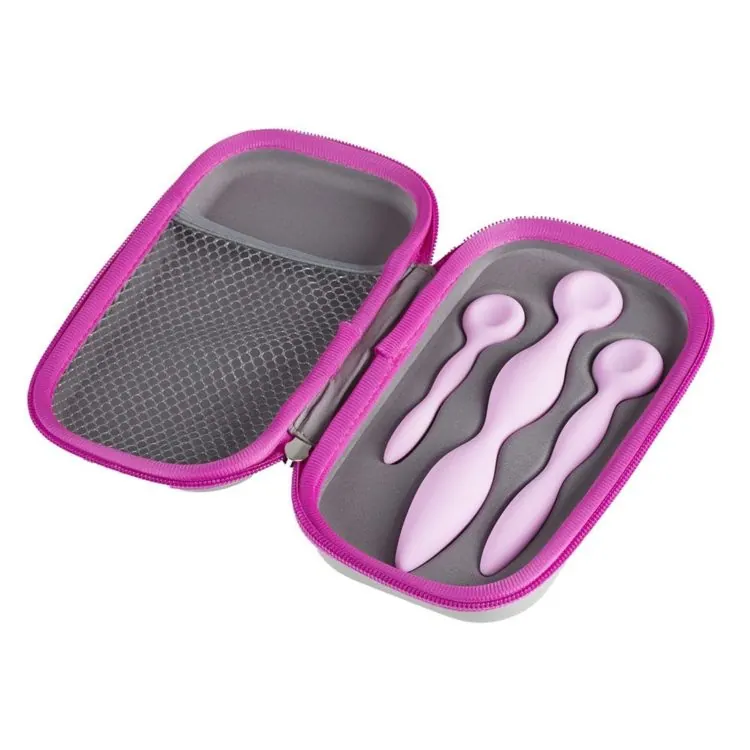
Intimrelax dilators are designed to treat dysfunctions such as dyspareunia, vaginismus, pain caused by perineal scars and pain associated with endometriosis.
A fitball for pregnant women
Most of my pregnant patients are worried about the birth and fear they’ll have an episiotomy, or won’t know how to push, or that labor will go on too long… My answer is always aimed at finding out whether they have prepared or are preparing their body for birth, and surprisingly the most common answer is no.
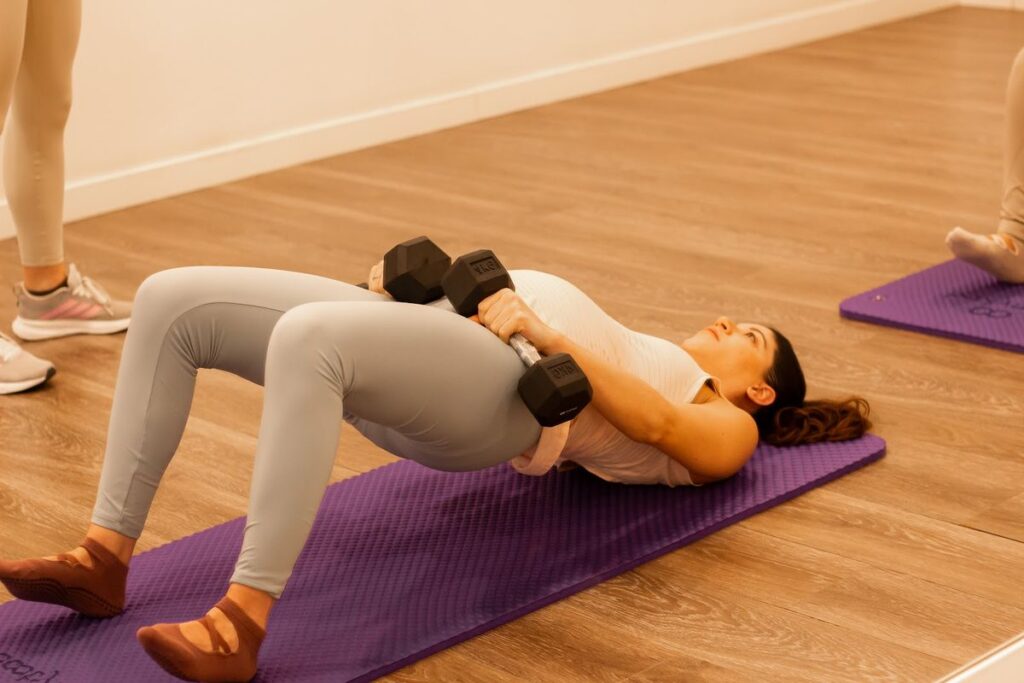
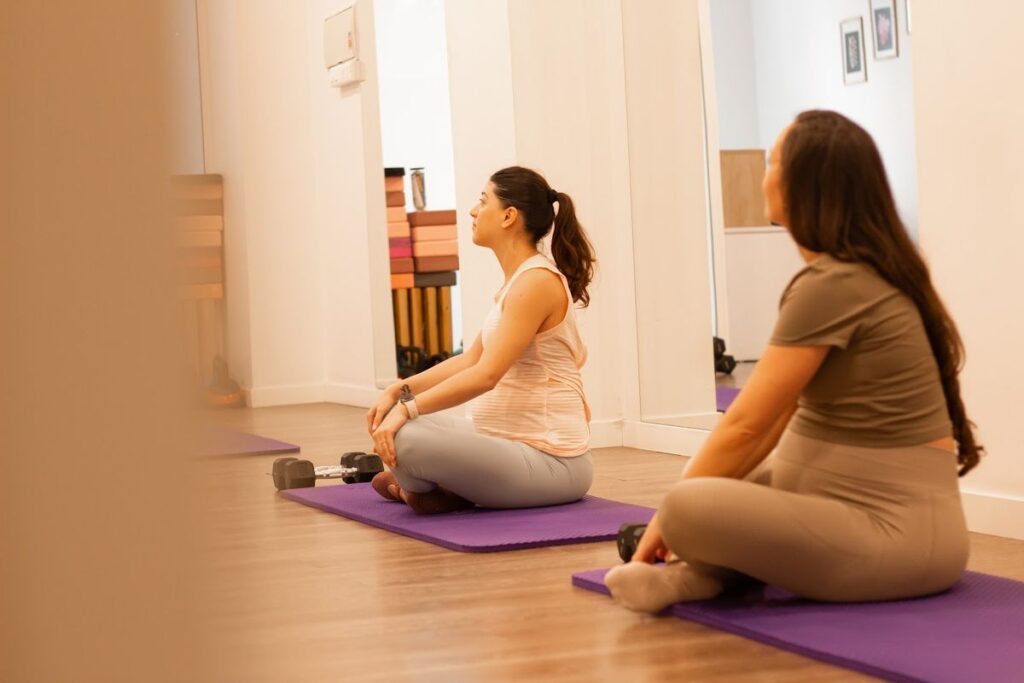
So, to get to work, from the second trimester we start training with a ‘Fit Prenatal Pilates’ method. It focuses on toning the pelvic floor, transverse abdominis and back, the muscle groups that suffer and weaken most during pregnancy.
In almost every class, we use the large fitball for pregnant women.
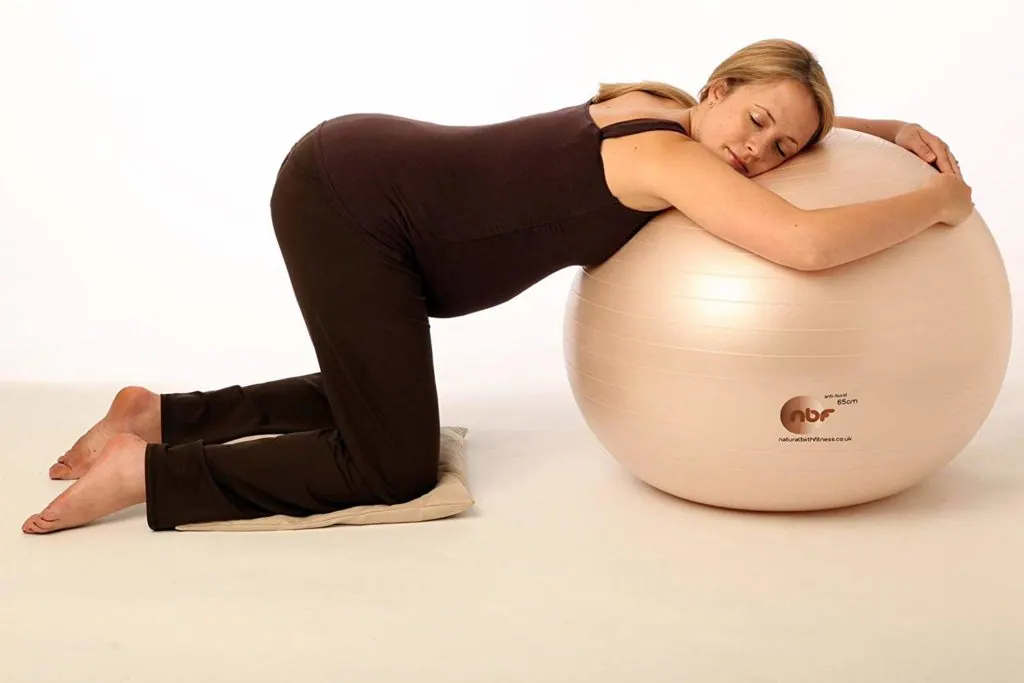
It’s a very useful tool for toning, pelvic mobility and flexibility exercises. From the third trimester we do exercises that prepare the pelvis for birth and relax the glute and pelvic floor muscles. Because of its shape, size and structure, the ball helps the pelvis relax and open and makes dilation easier. It’s even ideal to take to the hospital and use during dilation.
All these products focus on the health of the pelvic floor, the most delicate part of the female body. They’re tools that help me in my work in the clinic and that I use every day. I would certainly recommend them to every patient, confident that they’ll also help them prevent and treat the dysfunctions associated with pregnancy, birth and postpartum.
Remember that if you have any questions about using these products, you should ask a specialist to avoid them having the opposite effect.
This Mother’s Day, share these 5 original pelvic health gifts for women!


Get your pelvic floor checked in Valencia
Something doesn’t have to go wrong: with a pelvic floor check-up we see how it is and what you should do. Can’t come to Valencia? We also see patients in an online consultation.