How to use vaginal electrical stimulation to recover your pelvic floor
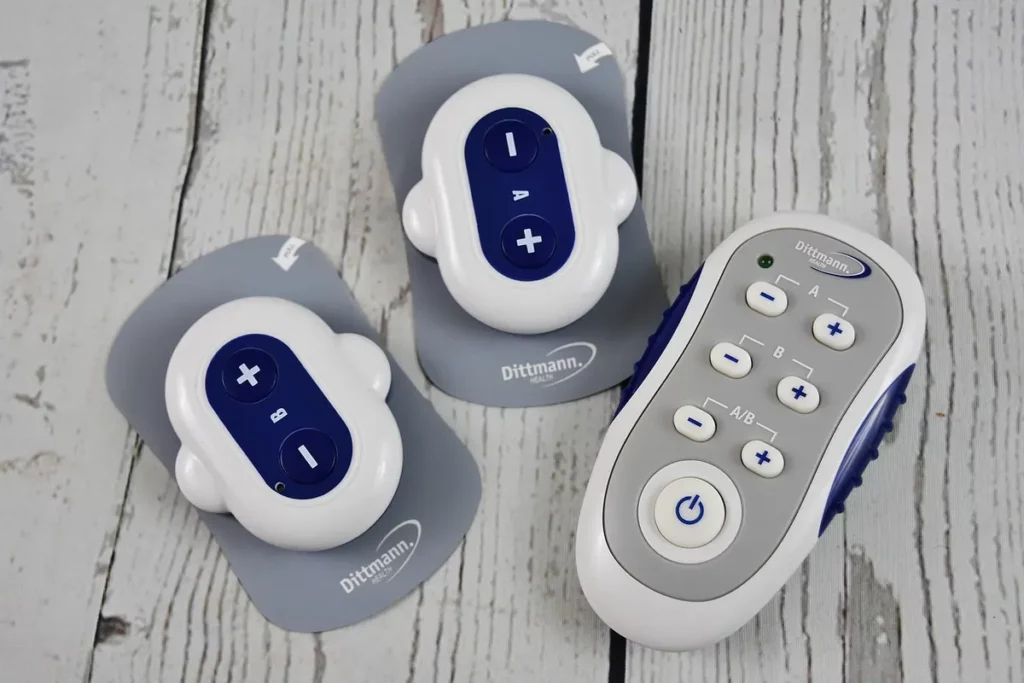



Article content
Physiotherapy treatment techniques for pelvic floor dysfunction aren’t limited to Kegel exercise routines for pregnant women, hypopressives and other physical activities. As professionals specializing in urogynecology, we’re trained in the use of instrumental techniques that can be used as a complement to tone hypotonic muscles, relieve pain and adhesions, or treat hypertonia.
The most widely used instrumental techniques include biofeedback, diathermy, dry needling, vaginal cones or Kegel balls, and electrical stimulation. It’s this last one that we’re going to break down in this article, so you know everything about using electrical stimulation for pelvic floor recovery.
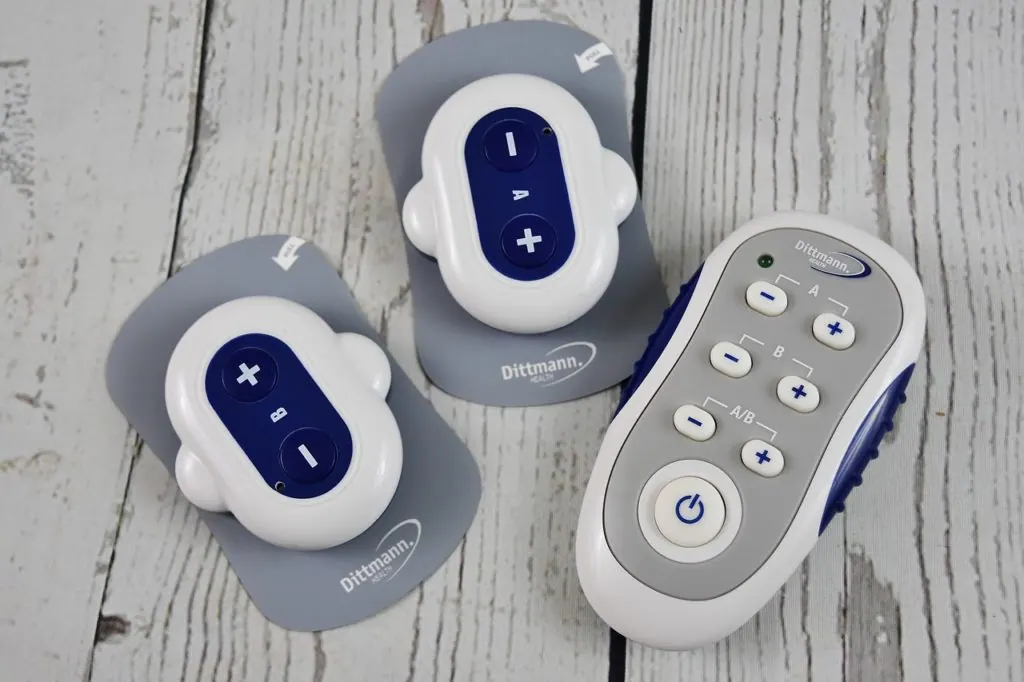
What is electrical stimulation for pelvic floor rehabilitation?
This treatment involves applying a painless electrical current (similar to the one our nervous system produces) to the pelvic muscles in order to make the treated muscle contract.
Vaginal electrical stimulation acts on the fast and slow fibers of the pelvic floor, which play a key role in controlling incontinence. The slow fibers, with their tone, help keep the urethra closed while the bladder fills. The fast fibers, meanwhile, act automatically when abdominal pressure increases (coughing, sneezing, etc.). Good tone in both types of pelvic floor fibers is key to continence. Electrical stimulation can act on both type I and type II fibers.
Perineal electrical stimulation is also used in patients who can’t voluntarily contract their pelvic muscles. To achieve this type of contraction, a frequency and pulse width are used that let the patient feel the muscle contraction. This way, she learns to locate her pelvic floor and the strength of its contraction.
Another type of current is used to treat pain in the pelvic and perineal structures caused by scars, post-surgical muscle tightness, chronic pain… It’s thought that during treatment morphine-like substances (endorphins, enkephalins) are released, stimulating the body’s own pain-relieving capacity through its pain control systems.
This kind of work with intravaginal devices also helps improve body awareness and adapting to other intimate products in everyday life, such as, in my case, the Beppy Cup menstrual cup.

When is electrical stimulation used?
Depending on the patient’s type of dysfunction and the goals of her treatment, the conditions usually treated with electrical stimulation are:
- Stress urinary incontinence (leaking urine during physical effort, when coughing or sneezing, laughing or lifting something heavy).
- Urge urinary incontinence (leaking urine together with urgency, needing to urinate more often during the day and at night, an urge to urinate the patient can’t control).
- Mixed urinary incontinence (involuntary leaking of urine with both urgency and effort).
- Anal incontinence (leaking stool or gas, anorectal pain).
- Localized pain in the pelvic and perineal area (scars, myofascial syndromes, chronic pelvic pain, dyspareunia).
- Hypertonia (muscle tone that’s too high) or hypotonia (muscle tone that’s too low).
- Anorgasmia.
- Vaginal laxity postpartum.
What are the benefits of vaginal electrical stimulation?
- Activates the pelvic floor muscles: it wakes the muscles up and helps them hold their contraction. In patients who can’t voluntarily activate the perineal area (complete loss of strength), electrical stimulation is the only way for them to contract the pelvic floor so they can exercise it voluntarily in the future.
- Helps locate the muscles: electrical stimulation is often used as a complement in pelvic floor treatments for patients who don’t know how to locate and feel the contraction.
- Improves local circulation: important postpartum or in menopause, as muscles regenerate and recover more easily when they have the nutrients and oxygen the blood brings.
- Useful for overactive bladder: it helps the muscle contract only when the bladder is full enough.
- Soothes painful areas of the perineum.
How is electrical stimulation applied?
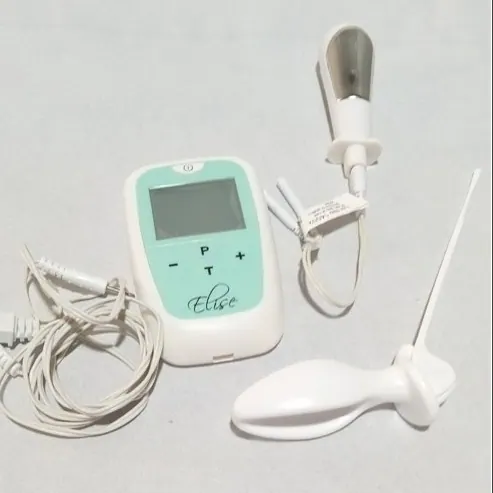
Electrical stimulation has advanced so much that today devices designed exclusively for perineal stimulation are usually used. These modern devices come with different programs so we can choose the right intensity for the dysfunction being treated.
Vaginal or anal probes are used to make the treatment more effective and so the current acts on the pelvic floor area. A lubricant (ultrasound gel) should be applied to moisten the probe before inserting it into the vagina or anus.
The number and frequency of sessions must be adjusted to the goals of the therapy. It’s always advisable for the patient to have an initial assessment by a physiotherapist specializing in gynecology to choose the right type of current. For longer treatments, once the physiotherapist has taught the patient the treatment techniques, she can continue at home with portable electrical stimulators.
What are the contraindications?
Like any other treatment applied to the pelvic and perineal area, electrical stimulation has its contraindications:
- Acute infections (vaginal, urinary tract, anal).
- Pregnancy
- Menstruation
- Genital prolapse
- Bleeding
- Intrauterine devices with metal components
- Having a pacemaker
- Active genital cancer
If you’d like to know more about vaginal electrical stimulation or want to book an appointment, you can contact me through my Suelo Pélvico website.


Treat urine leakage in Valencia
We work out together why it happens and how to treat it, without embarrassment or judgment, with physiotherapy for urinary incontinence. Can’t come to Valencia? We also see patients in an online consultation.