
How pelvic floor preparation helps you have a good birth



Article content

My recent experience as a mother has made me a better professional. As a physiotherapist specializing in the pelvic floor, I have the knowledge and experience an expert in the field needs, but now I can also speak from the experience of having given birth and knowing the sensations, emotions… and everything giving birth involves for a woman.
We know that strengthening the pelvic floor muscles during pregnancy prevents urinary incontinence and genital prolapse. In other words, good pelvic floor preparation for birth gives you a better chance of an optimal postpartum recovery, although it isn’t the only factor: diet, stress, possible pregnancy complications or the obstetrician’s intervention during the pushing stage also play a part. But at least we should control the factors that depend 100% on us.
These include birth preparation and, in my case, pelvic floor work. It has been shown that strengthening the tone around the vaginal canal improves the pushing stage of a vaginal birth.
The pushing stage is one of the last stages of labor, when the woman has very strong uterine contractions, her cervix is fully dilated and, by pushing, the baby descends and comes out into the world. At this stage, what matters is the mother’s correct pushing technique, a suitable position to help the baby’s head descend and a well-toned pelvic floor. Here’s why.
What role does the pelvic floor play during the pushing stage?

In this second-to-last stage of labor, as the woman pushes, the baby’s head descends until it fully compresses the pelvic floor muscles and the cervix. This compression, together with uterine contractions reaching 30 mmHg, triggers a reflex called the Ferguson reflex. This is what triggers the release of oxytocin in the woman’s body and the urge to push.
What would happen if the reflex didn’t appear? The woman wouldn’t feel any stimulus or urge to push. This is what often happens with a very high dose of epidural anesthesia.
In these cases births are passive and pushing is directed by the midwives. So if you want to know how to prepare your pelvic floor for birth, I’ll tell you that good pelvic floor muscle tone can improve the hormonal response and increase oxytocin production, because the more contact the baby’s head has with the pelvic floor and cervix, the more likely we are to experience this reflex.
How does the pelvic floor help during birth?
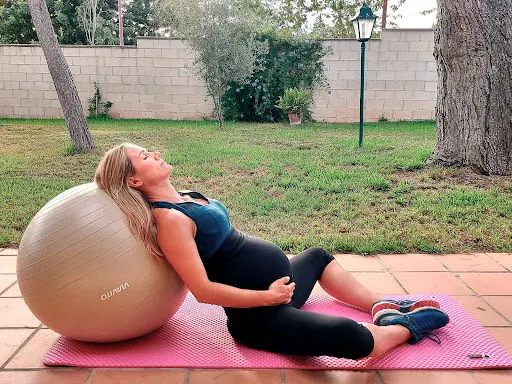
As we’ve said, good muscle mass in the pelvic floor area will encourage the Ferguson reflex, so labor will be more dynamic, with more spontaneous pushing. This can reduce the risk of needing instruments, as the baby’s head will descend naturally.
You may also be interested in: Tips and exercises to dilate faster during labor
Good pelvic floor tone around the vaginal canal can also improve the way the baby descends, helping it rotate and fit properly into the pelvis. Women with a very stretched vaginal canal and very little muscle strength in the pelvis may have longer labors with higher rates of medical intervention.
How to tone your pelvic floor to improve the pushing stage
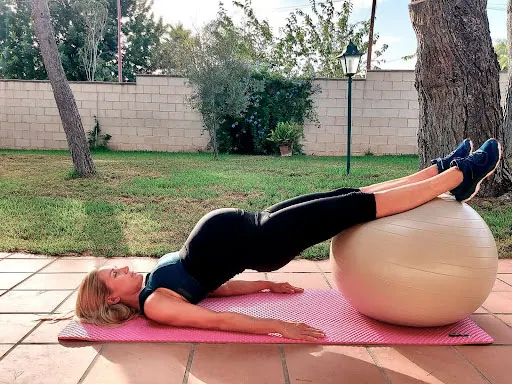
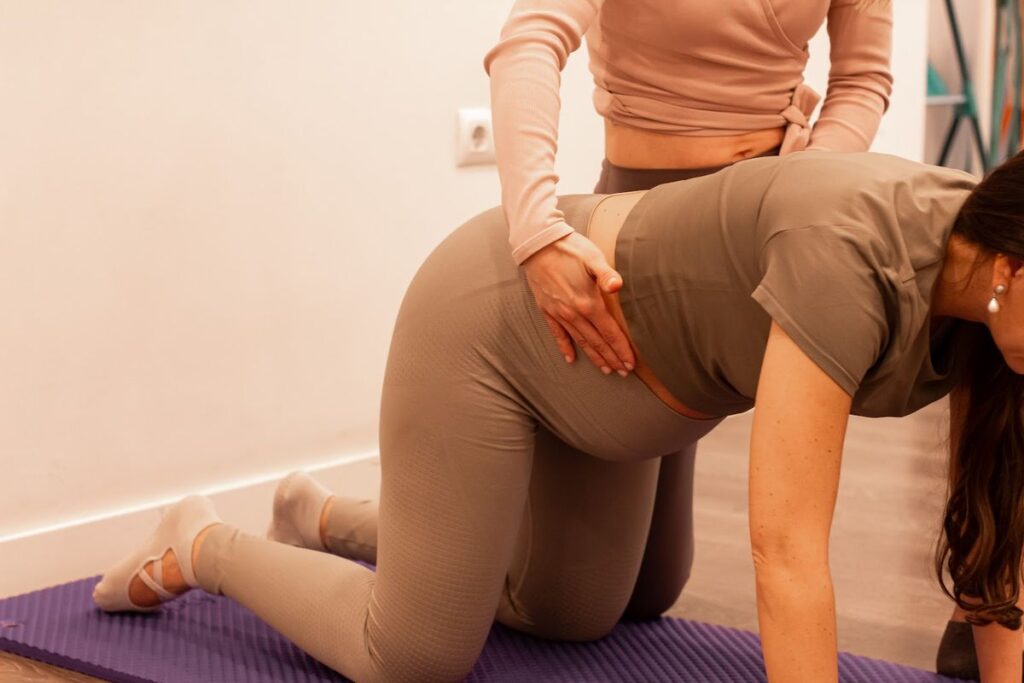
The first step is to assess the condition of both the pelvic floor and the abdomen at the start of pregnancy, or even before. We need to rule out hypertonia, muscle knots or other dysfunctions in which exercising and building muscle strength could be harmful. After the first assessment, we follow this exercise program to strengthen the pelvic floor before birth:
- Kegel exercises with a vaginal probe and biofeedback.
- Pelvic floor exercises prioritizing slow contractions lasting 5 to 10 seconds.
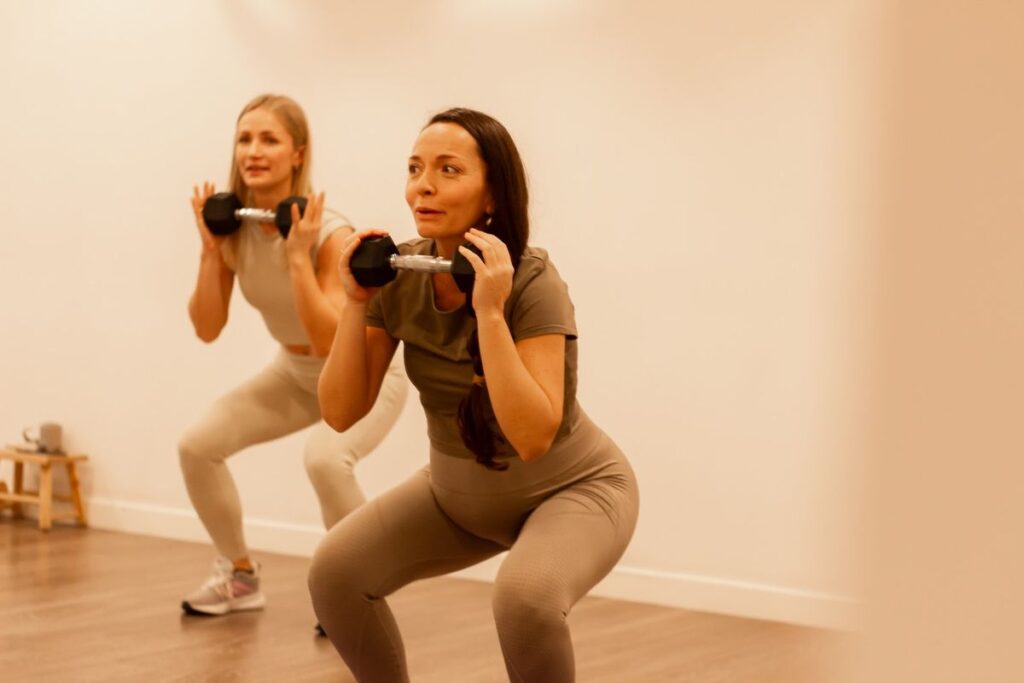
- Kegel exercises combined with body movement.
- Abdominal training and learning how to coordinate perineal and abdominal contractions.
- Postural re-education and exercises on unstable platforms.
- Perineal relaxation exercises to help prevent perineal tears.
Work only on pelvic floor strength, or on elasticity too?
For birth, we need the pelvic floor to have good tone and, at the same time, enough elasticity for the muscle fibers to stretch during the pushing stage without risk of injury.
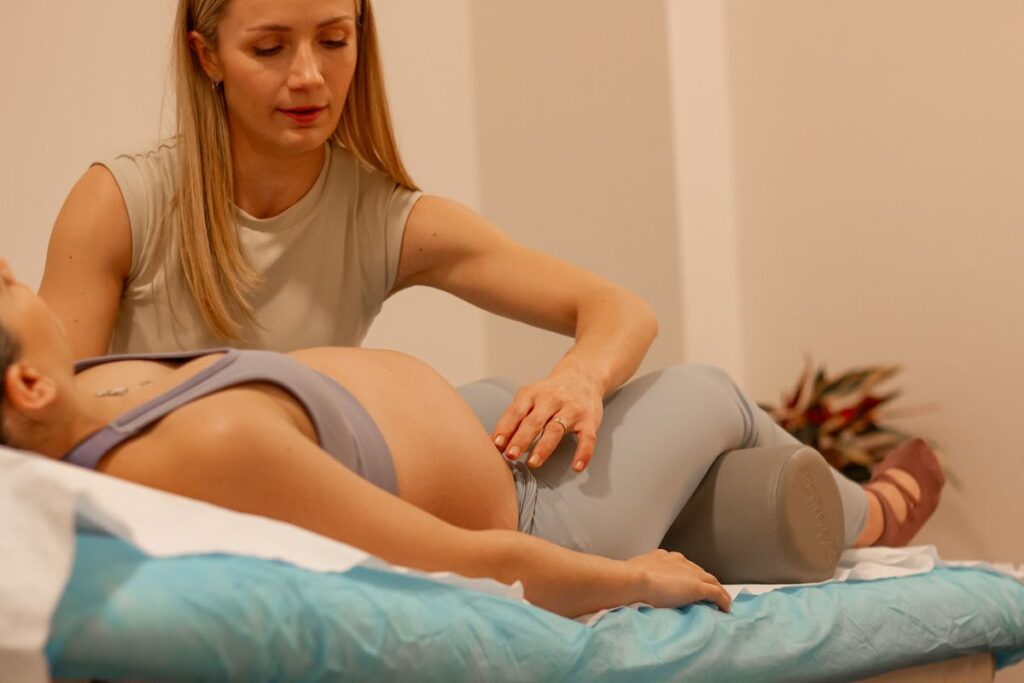
From week 33 of pregnancy we start perineal massage, which should be done at least 3 times a week at home. Doing it gets us used to the feeling of pressure in the vagina, the skin stretching, the back wall of the vaginal canal moving downward, and so on.
These are sensations we’ll experience during birth. In addition, doing perineal massage often can reduce the risk of a third- or fourth-degree perineal tear.
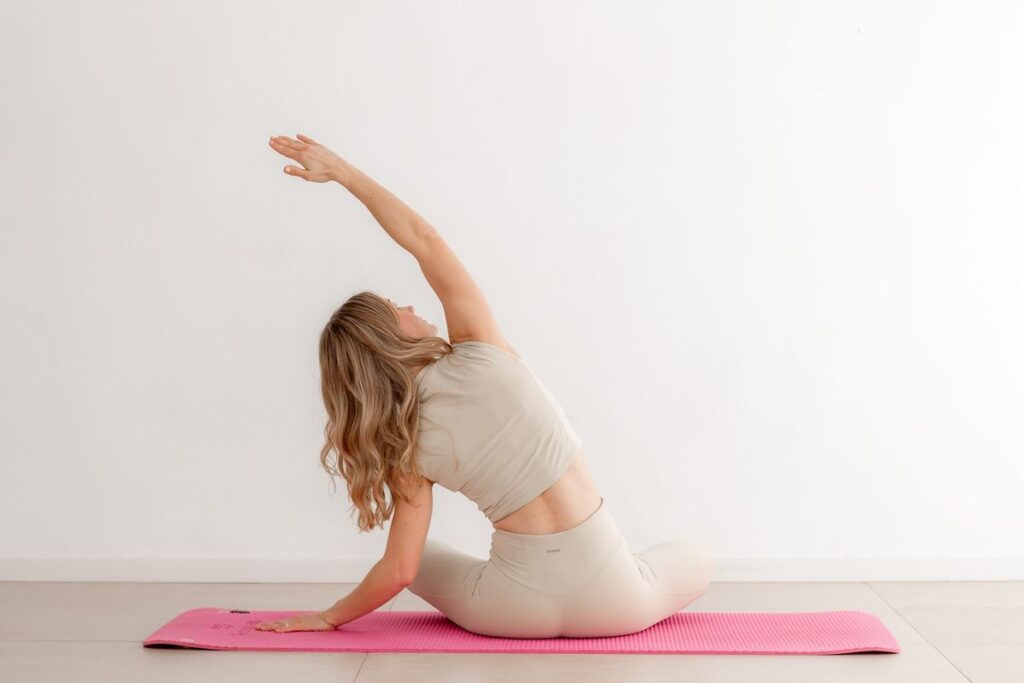
Pelvic mobility exercises, stretches for the lower back muscles and the large hip flexors, breathing exercises and meditation also improve pelvic floor elasticity.
When should we start strengthening the pelvic floor during pregnancy?
Exercises to strengthen the pelvic floor before birth, such as Kegel exercises, should be done from the start of pregnancy until week 36. In fact, there are no medical contraindications to doing them, except an active urinary infection, active candidiasis, vaginal bleeding or muscle hypertonia.
Here’s a video that will help you do your pelvic floor preparation exercises for birth more easily.
If you have any questions, don’t hesitate to get in touch!


Prepare for your birth at our clinic in Valencia
We support you throughout your pregnancy with physiotherapy for pregnant women, adapted to each trimester and your situation. Can’t come to Valencia? We also see patients in an online consultation.