




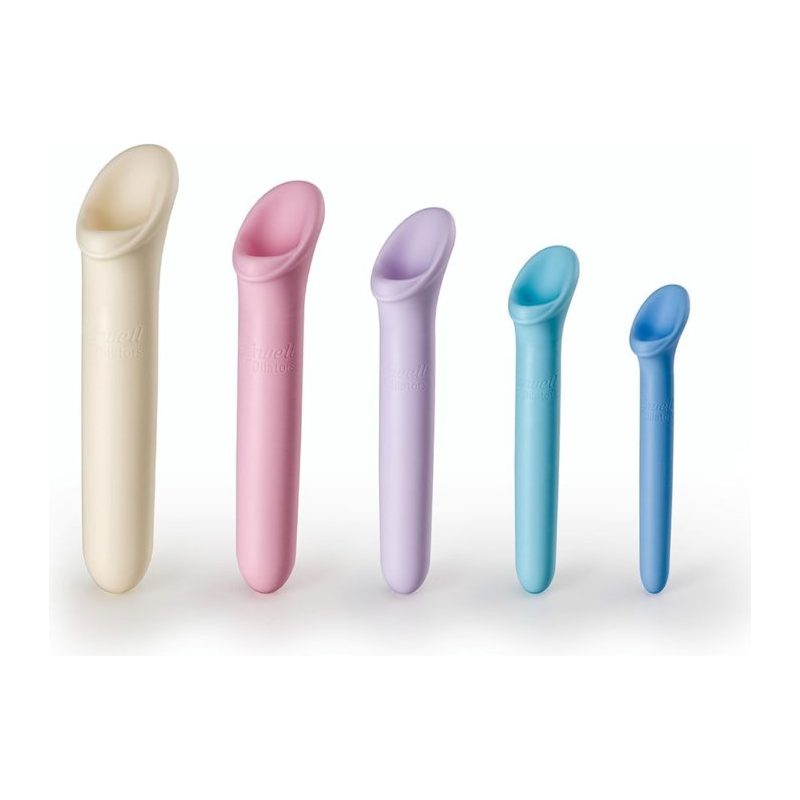
Vaginal dilators
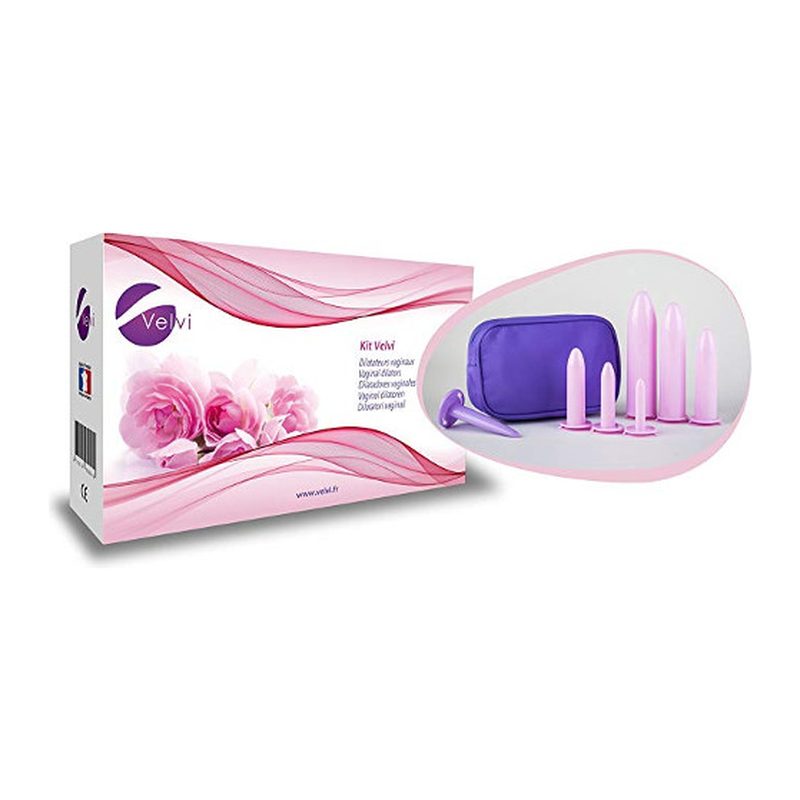
Dilators complement your rehabilitation: they help you continue at home with the techniques learned in clinic to stretch the perineal muscles and make the vaginal walls more flexible.
- Stretch progressively
- Ease dyspareunia and vaginismus
- Help relax hypertonia
- Complement in-clinic treatment







Article content
More about vaginal dilators
Dilators are commonly used in pelvic floor rehabilitation, and we work with them regularly in clinic. Patients also use them to continue at home with the techniques learned during their recovery.
Why, when and what for do you need vaginal dilators?
Almost half of patients with a pelvic floor injury need to stretch the perineal muscles and make the vaginal walls more flexible. Hypertonia, that is, an abnormal increase in the tone of the sphincters, is an increasingly common dysfunction. It often occurs in cases such as:
- Endometriosis.
- Painful, stiff scars after an episiotomy or perineal tear.
- Dyspareunia.
- Vaginismus.
- Athletes doing ongoing high-impact activities (running, jumping, horse riding, weightlifting).
Hypertonia means the muscles do not know how to relax, which can narrow the vaginal canal. The most common symptoms are:
- Pain during sex.
- Pain on vaginal touch (gynecological examinations, inserting a tampon).
- A feeling of pressure in the vagina.
- Constipation.
- Incomplete bladder emptying.
- Urine leakage.
- Urinary urgency.
The most recommended treatment is manual stretching, done by the specialist and then by the patient at home with the same technique.

How to use dilators
To ease the symptoms of dyspareunia, vaginismus, pelvic floor hypertonia and vaginal stenosis (narrowing of the vaginal canal). They come in several sizes to stretch the vaginal walls progressively, starting with the smallest.
Before inserting it, apply heat to the perineal area (a warm towel or a hot shower) to relax the muscles. Always use the dilator with a water-based lubricant. If inserting it hurts, apply more lubricant.
Gently insert the smallest dilator and make slow back-and-forth movements for about 15 minutes, stretching at the points of greatest tension. Meanwhile, try to relax your sphincters and breathe deeply.
The muscles are first massaged with the smallest dilators and then with the larger ones. Progress as your physiotherapist has told you in clinic.