




Physiotherapy and exercise for pregnant women in Valencia
Pregnancy changes your body every week, and it’s normal to have questions. We support you so you reach the birth knowing your pelvic floor, without rushing and without judgement.
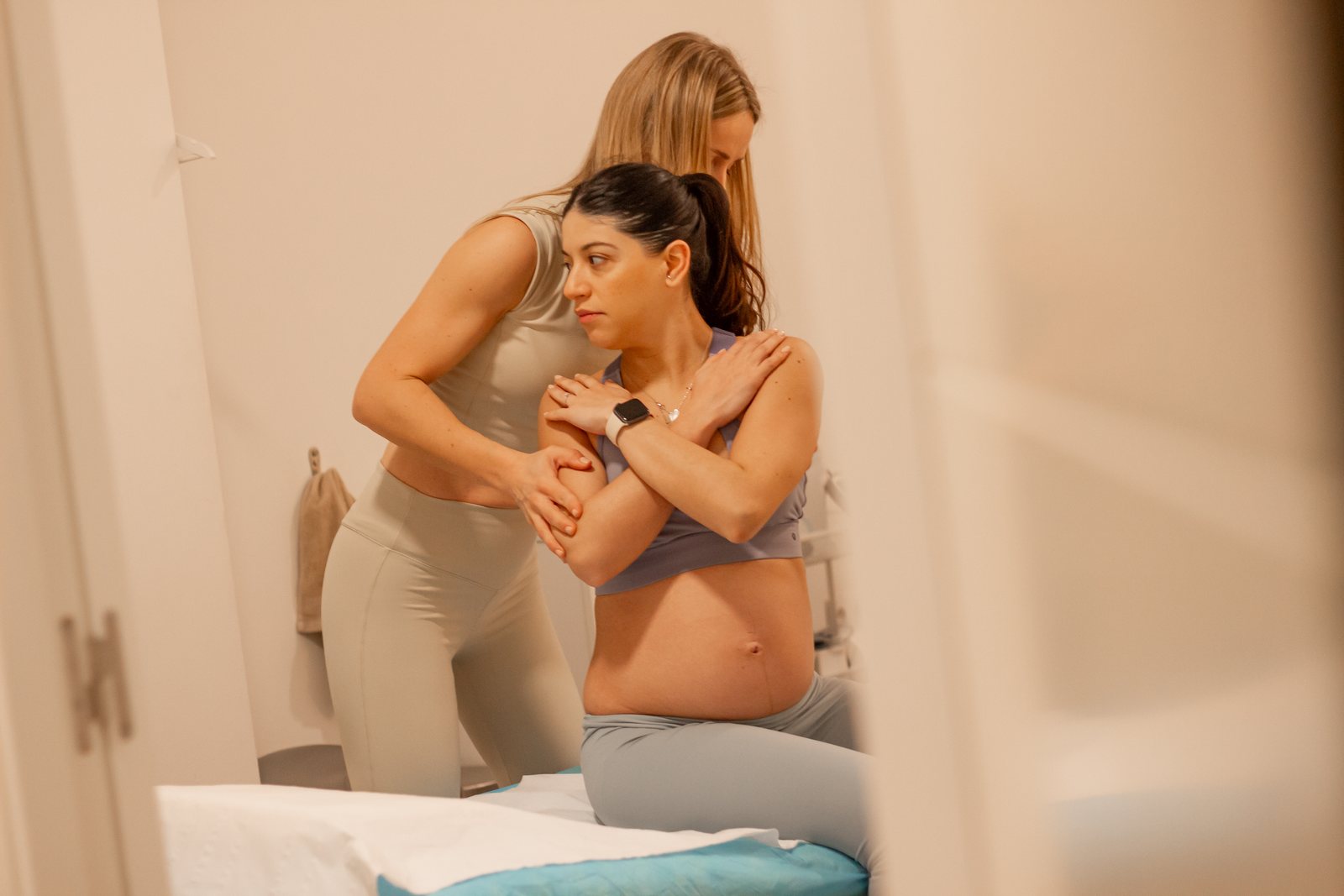



Article content
Exercise and treatment in pregnancy
Perhaps you feel heaviness down below, leak a little urine when you cough or simply want to prepare well for the birth. You don’t have to wait for something to go wrong to come: we start by listening to you and seeing how your body is right now.
We are experts in exercise and treatment during pregnancy. We help you reach your birth as well prepared as possible, always according to your needs and medical situation.
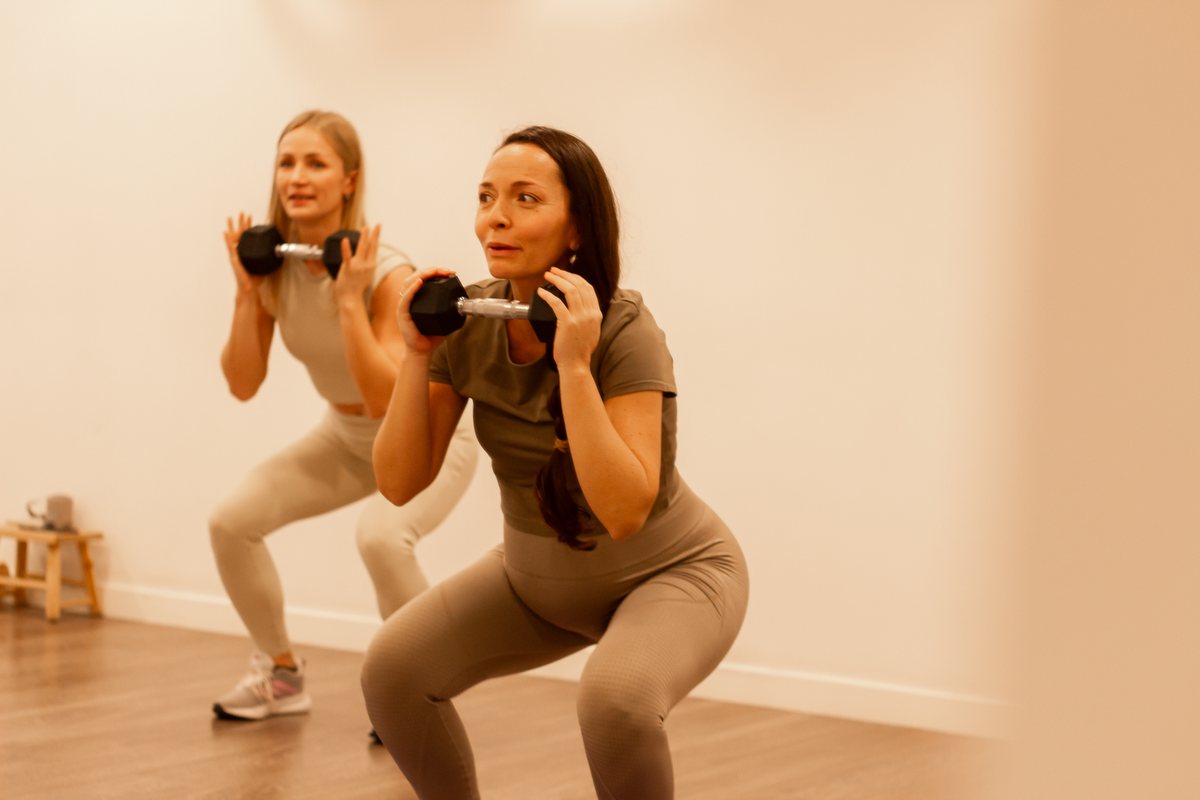
Pregnancy Pilates
We run one-to-one and group classes focused on mobilizing the pelvis to make dilation easier during the first stage of labor, toning and stretching the pelvic floor and keeping your body in good shape.
Birth preparation
You learn the positions and exercises that help labor progress and prepare you for dilation and pushing. We practice changes of position, exercises on a large Pilates ball, breathing exercises and hands-on techniques your partner can use on the day of the birth. Gentle pelvic movements and some specific positions help the baby engage.
“We help you arrive at your birth prepared”

How we work in pregnancy
It’s the first step. In a 60- to 90-minute session we talk about how your pregnancy is going, see how your pelvic floor is and decide together which treatment and exercises suit you.
First you learn to locate and work your pelvic floor in isolation, together with the transverse abdominis. Then we do the contractions in different positions and with a Pilates ball, adapting them to each trimester.
We use manual techniques suitable for each trimester for back pain, sciatica, piriformis syndrome or migraines. If your legs feel swollen, painful, itchy or under pressure, we add lymphatic drainage and diaphragm relaxation.
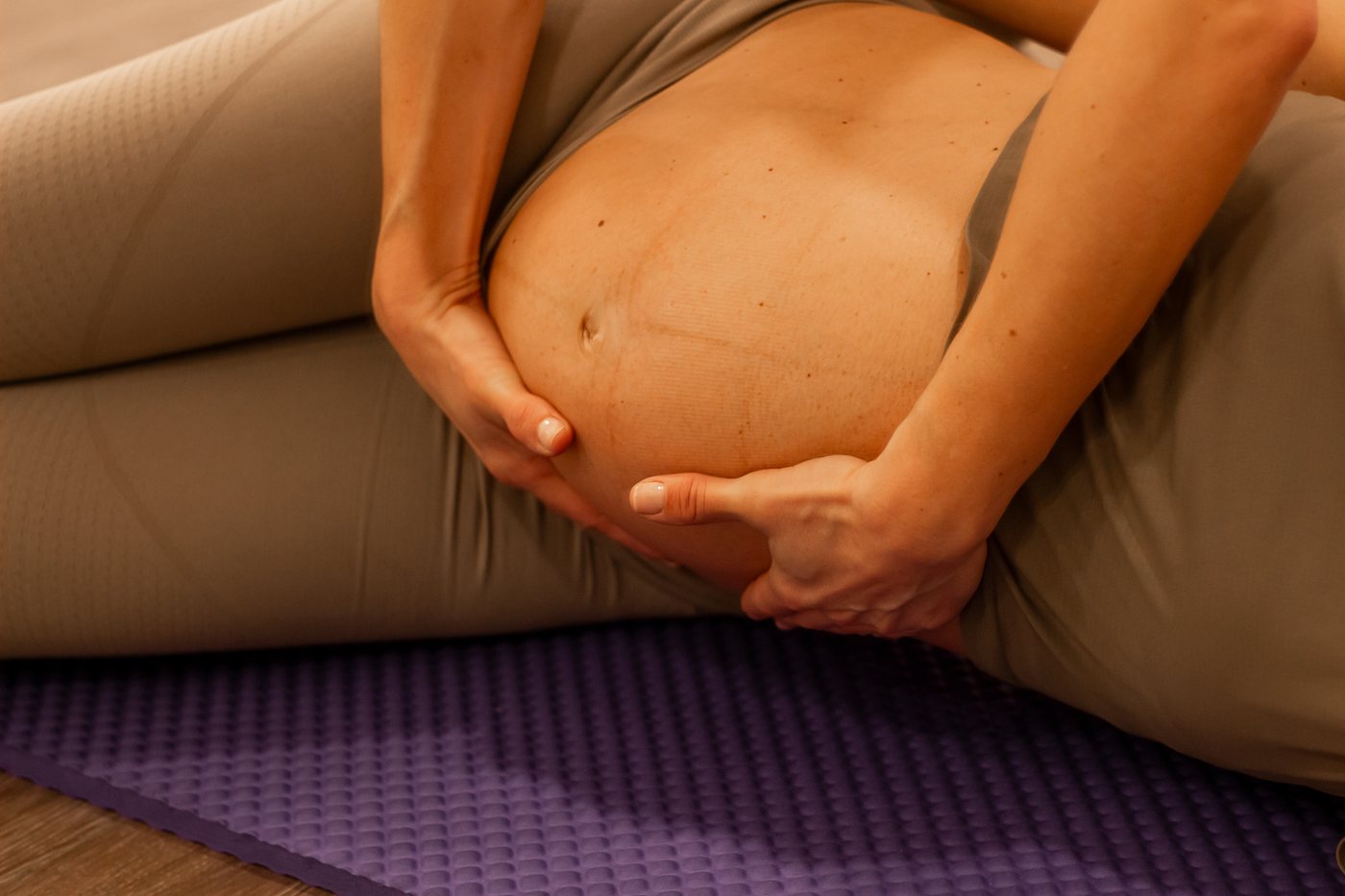
We prepare the perineum so it gains flexibility for the birth and to help reduce the risk of tears. You can bring your partner to the perineal massage session. Stretching is done from week 37 and after a prior assessment.
In the final stretch we practice pushing on the out-breath and in positions that protect the pelvic floor, together with gentle pelvic movements and positions that help the baby engage. We also go over the exercises and breathing that will help you on the day of the birth.
Article content
Throughout your pregnancy
During pregnancy very important changes happen in the muscular, skeletal, cardiovascular, respiratory and metabolic systems. Your body makes them to function well and care for the baby, which is why physiotherapy can support you throughout your pregnancy.
With pelvic floor exercises, breathing techniques and postural exercises based on the «free pelvis» method, you’ll improve your body awareness, and they’ll help you cope better with the first stage of labor.
A plan adapted to each trimester
Every pregnancy is different. We adapt the exercises to each trimester and your needs, and we always start with an assessment to know what suits you in your case.


What are the benefits of physiotherapy in pregnancy?
The goal is for you to arrive at the birth with your body prepared and with more confidence. A pelvic floor with good tone helps the baby engage and descend, and an elastic perineum can stretch better during the pushing stage.
That’s why we don’t just work on strength. At the assessment we see what you need at each point, toning or gaining elasticity, and adapt the exercises, manual therapy and perineal massage to your week of pregnancy.
Staying active in an adapted way also helps reduce lower back pain, look after your posture and prepare for your recovery after the birth.
Easing lower back and sacral pain that limits your daily life.
Strengthening the pelvic floor and helping prevent incontinence after the birth.
Keeping the pelvis mobile to make dilation easier.
Gaining body awareness and facing the birth more calmly.



Your journey at the clinic starts like this
STEP 1.
Initial assessment
All patients start with an initial one-to-one session.
- We analyze your case in depth.
- We carry out the necessary examination.
- We explain what is happening and why.
- We design a personalized treatment plan.
- All with no further commitment.
STEP 2.
STEP 3.
Follow-up and progress
Your process doesn’t end after one session. It evolves with you.
- We regularly reassess your progress.
- We adjust the plan when necessary.
- You can combine one-to-one and group sessions depending on your progress.


Frequently asked questions
If you’re asking yourself these questions, you’re not the only one. Here we answer them clearly.
The pelvic floor is one of the areas that suffers most as the baby grows: it loses strength and stretches, which can mean less control and sensation after the birth. Strengthening it during pregnancy with specialist exercises helps prevent later problems such as urinary incontinence or leakage of stools or wind.
Yes. In-person pelvic floor services start with a 60- to 90-minute assessment session. Every pregnancy is different, and that first session lets us decide which treatment and exercises suit you.
It improves the endurance and elasticity of the perineum and helps reduce the risk of episiotomy and the chances of urinary or fecal incontinence afterwards. It can also ease lower back and sacral pain and keep the pelvis mobile to make dilation easier.
Yes, if you wish your partner can come with you to the perineal massage session. In birth preparation we also teach hands-on techniques they can use on the day of the birth.
Yes. We offer video call consultations adapted to your history and week of pregnancy. Depending on your case, we work on physical preparation, dilation exercises, learning perineal massage, breathing and pushing. At the end you receive a report and exercise sheets.