




Physiotherapy for fertility and IVF in Valencia
Fertility treatment is hard enough without adding more uncertainty. We support you with gynecological physiotherapy and movement adapted to each stage, always in agreement with your fertility team.



Article content
How physiotherapy can help during fertility treatment
If you’re going through assisted reproduction, it’s natural to look for anything that might help. Gynecological physiotherapy doesn’t replace your treatment, but it can support it, together with diet and lifestyle, so that your body is in the best possible condition.
We work on your body on three levels:
- Mechanical. We balance tension in the muscles, joints and fascia, including at visceral level.
- Circulatory. We aim to improve lymphatic and venous drainage in the area.
- Neuroendocrine. We work on the balance of the autonomic nervous system, which controls involuntary functions such as digestion and menstruation.
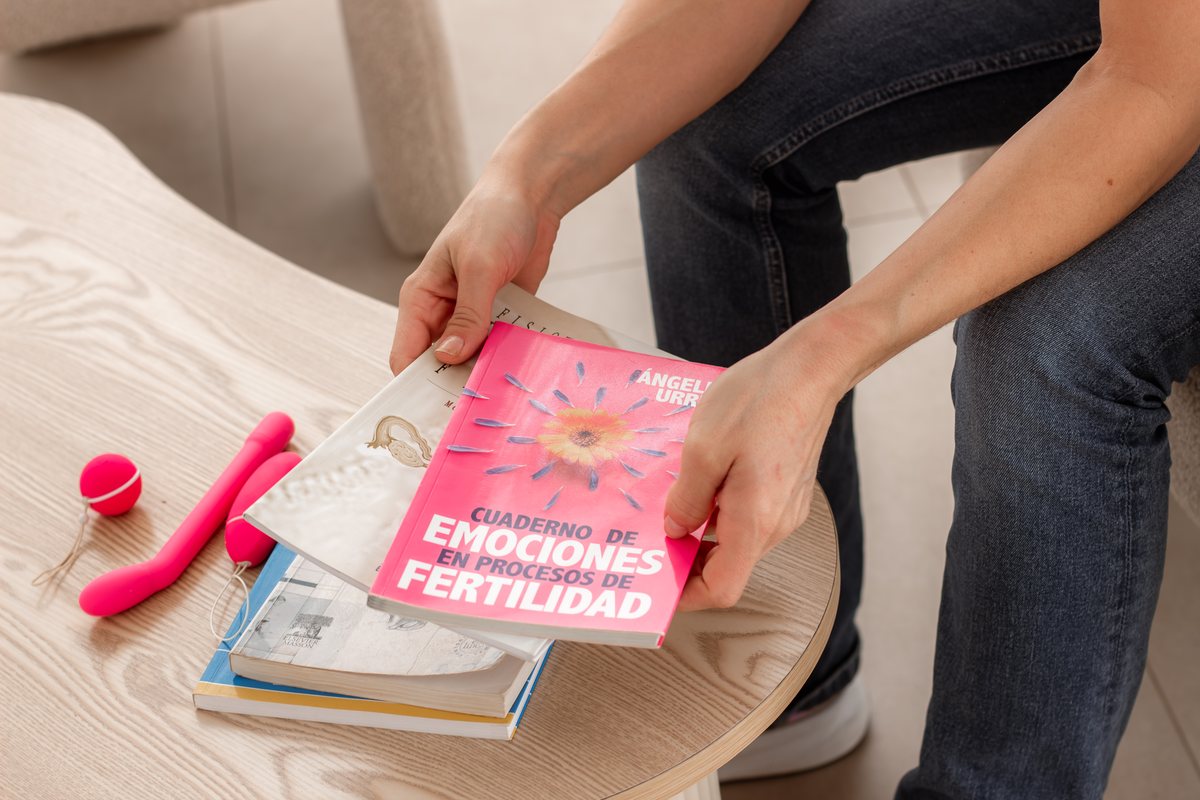
What exercises and treatments we do
The exercises focus on the deep muscles of the pelvis (the pelvic floor), the deep abdominal muscles (the transverse abdominis) and the diaphragm.
In most cases we combine them with manual treatment: internal vaginal techniques, work on the pelvic joints, relaxation of the internal pelvic ligaments and visceral work. Before starting we assess it with you and explain each technique.

“Your physical activity should keep pace with each stage of IVF treatment”

The areas we work on
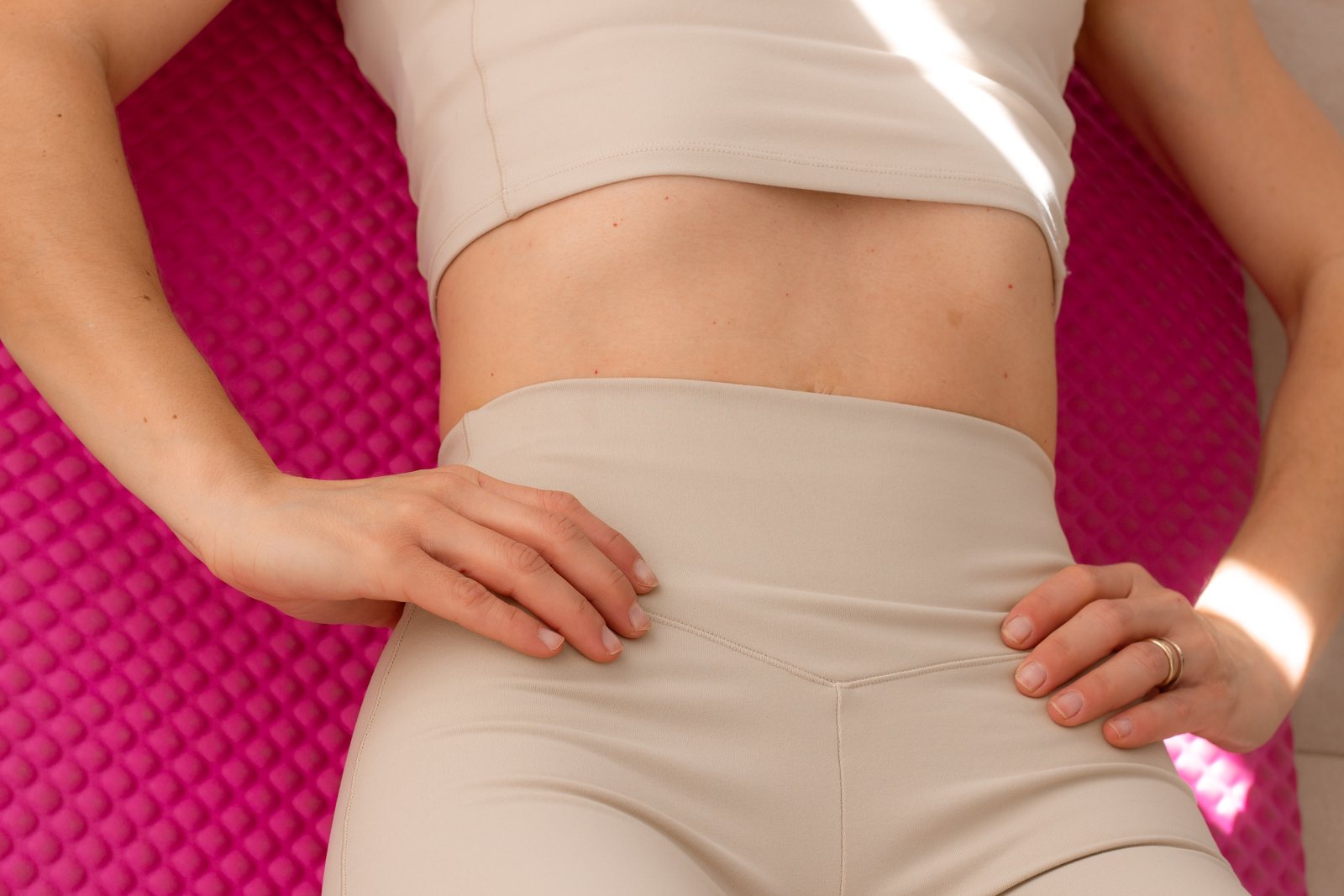
Before starting we check your pelvic floor, abdomen and breathing, and talk about the stage of treatment you’re at and what your fertility clinic has told you.
The reproductive system is directly or indirectly related to the bony pelvis. We work on pelvic floor tone and tension in the ligaments and fascia. These techniques are usually applied in cases such as dysmenorrhea, dyspareunia, menstrual cycle disorders, chronic pelvic pain, functional infertility, vaginismus, vulvodynia, endometriosis adhesions or prolapse.
When the diaphragm is tense, abdominal and pelvic pressure usually increases. We use techniques to relax it and improve mobility where the thoracic and lumbar vertebrae meet.
We work on fascial tension in the neck, an area related to the thyroid gland.
Gentle techniques aimed at relaxation and managing stress and anxiety, which weigh so heavily during fertility treatment.
Article content
Can I exercise during IVF treatment?
If your fertility team sees no contraindication, yes, you can keep moving, although not in just any way or at the same intensity in every stage. These are the stages and the type of exercise we usually suggest, unless your gynecologist or clinic tells you otherwise:
- Ovarian stimulation. The medication makes several eggs mature at once and the ovaries get bigger, so sport can be uncomfortable. It’s recommended to slow down, stop intense exercise and stick to gentle walks.
- Egg retrieval. Physical activity is not advised on the day of the retrieval. Afterwards, while the embryos are in the lab, you can return to low-impact exercise.
- Embryo transfer. It doesn’t require sedation, and you can do moderate exercise the same day if your medical team agrees.
Which sport to do during treatment
Low-impact exercise is recommended. Activities with jumping or weightlifting, such as running, CrossFit, aerobics, step, Body Pump or weightlifting, are not advised during treatment. Swimming, Nordic walking, the elliptical, an stationary bike or dancing, on the other hand, fit well at this stage.
If you already did a sport, you don’t have to give it up completely: we review it with you at the assessment and look for alternatives while the process lasts.


What do we work on with fertility physiotherapy?
During assisted reproduction treatment it’s normal to have questions about what you can and can’t do. The aim of physiotherapy at this stage is to look after your body, ease physical and mental tension, and keep you active safely.
We work on the pelvic floor, deep abdominals, diaphragm and the areas that build up the most tension. If the treatment ends in pregnancy, you’ll already know the exercises that will support you in the months that follow.
Everything is done in agreement with your fertility clinic. If you notice severe abdominal pain, marked swelling, bleeding or difficulty breathing during treatment, contact your medical team before continuing with any exercise.
Balancing tension in the pelvis, abdomen and diaphragm.
Easing physical and mental discomfort with massage and relaxation techniques.
Improving drainage and circulation in the pelvic area.
Exercise adapted to each stage, from stimulation to transfer.



Your journey at the clinic starts like this
STEP 1.
Initial assessment
All patients start with an initial one-to-one session.
- We analyze your case in depth.
- We carry out the necessary examination.
- We explain what is happening and why.
- We design a personalized treatment plan.
- All with no further commitment.
STEP 2.
STEP 3.
Follow-up and progress
Your process doesn’t end after one session. It evolves with you.
- We regularly reassess your progress.
- We adjust the plan when necessary.
- You can combine one-to-one and group sessions depending on your progress.


Frequently asked questions
If you’re asking yourself these questions, you’re not the only one. Here we answer them clearly.
We can’t promise you that. Some studies have looked at the role of physiotherapy in assisted reproduction treatment, but every case is different. It can help you reduce tension and stress and look after your body during the process. Your treatment is directed by your medical team and physiotherapy doesn’t replace it.
It’s usually used for dysmenorrhea, dyspareunia, menstrual cycle disorders, chronic pelvic pain, functional infertility, vaginismus, vulvodynia, endometriosis adhesions or prolapse. At the assessment we see whether it can help in your case.
You can stay active, but the intensity changes depending on the stage. During ovarian stimulation it’s best to slow down, exercise isn’t advised on the day of egg retrieval and after the transfer you can do moderate activity. Always follow your fertility clinic’s advice.
NICE’s fertility guideline states that bed rest of more than 20 minutes after the transfer does not improve IVF outcomes. The usual advice is to carry on with your normal life, unless your doctor tells you to rest for a specific reason.
Yes. Every woman starts from a different place. At the assessment we see how you are, talk about the stage of your treatment and prepare a plan adapted to you.