




Physiotherapy for vaginal pain in Valencia
Vaginal pain is kept quiet far too often. Here you can talk about it calmly: together we look for its muscular origin and work so you no longer have to live with it.



Article content
Vaginal pain: when physiotherapy can help
Perhaps you’ve been told everything is fine, but it still hurts. Your pain is real, and it deserves to be listened to. If it has a muscular component, physiotherapy can help, always alongside your gynecologist.
Vaginal pain can extend from the pubic area to the anus or stay at the entrance to the vagina, in the vulval area. Many women feel it when washing, inserting a tampon or menstrual cup, at gynecological check-ups or during and after sex. Sometimes it goes down towards the perineum and anus, or comes with lower back pain and a feeling that the vagina is tighter.
If you notice any discomfort that worries you, the first step is to see a gynecologist to rule out inflammation, infection or a problem with the internal organs. Once that’s ruled out, or while you continue medical treatment, pelvic floor physiotherapy deals with the muscular side of the pain, which often plays a large part.
Most common causes
The vaginal lining, perineum, muscles and pelvic organs are very sensitive structures, and any change in these tissues can cause pain. The most common causes include:
- Perineal scars after an episiotomy or tear during a vaginal birth, and adhesions in a cesarean scar.
- Hypertonia, that is, increased muscle tone in the pelvic floor.
- Vaginismus and dyspareunia, pain during sex.
- Endometriosis.
- Interstitial cystitis and frequent urinary infections.
- Pudendal nerve entrapment.
- Estrogen deficiency, typical of menopause or other hormonal changes.
- Genital prolapse.
What we look at in the physiotherapy assessment
Before starting any treatment, in clinic or at home, we assess the pelvic floor to understand what type of dysfunction there is and which therapy suits you. Using vaginal biofeedback we assess muscle strength, your ability to relax the pelvic floor voluntarily, the elasticity of the vaginal walls and of any scars. If you’ve given birth, we also check how an episiotomy, tear, use of instruments or breath-holding while pushing may have affected the perineum.
In many of the dysfunctions that cause vaginal pain we find overactivity of the superficial and deep pelvic floor muscles. That’s why treatment usually focuses on relaxing the perineal area, the pelvic floor, the lower back and the superficial muscles of the pelvis.

“We work to reduce tension in the pelvic muscles and improve the condition of the perineum”

How we treat vaginal pain
We apply heat with packs, mud or infrared lamps to external areas such as the lower back, sacrum, groin, pubis or buttocks to ease pain and the feeling of tension. First we rule out any inflammation in the pelvis, because heat could increase it.
The goal is to make any perineal scars more flexible and reduce tension in the vaginal walls. We teach you perineal massage in clinic so you can repeat it at home.
We use a vaginal probe with specific muscle relaxation programs. The aim is to reduce tension in the muscles around the vagina and anus.
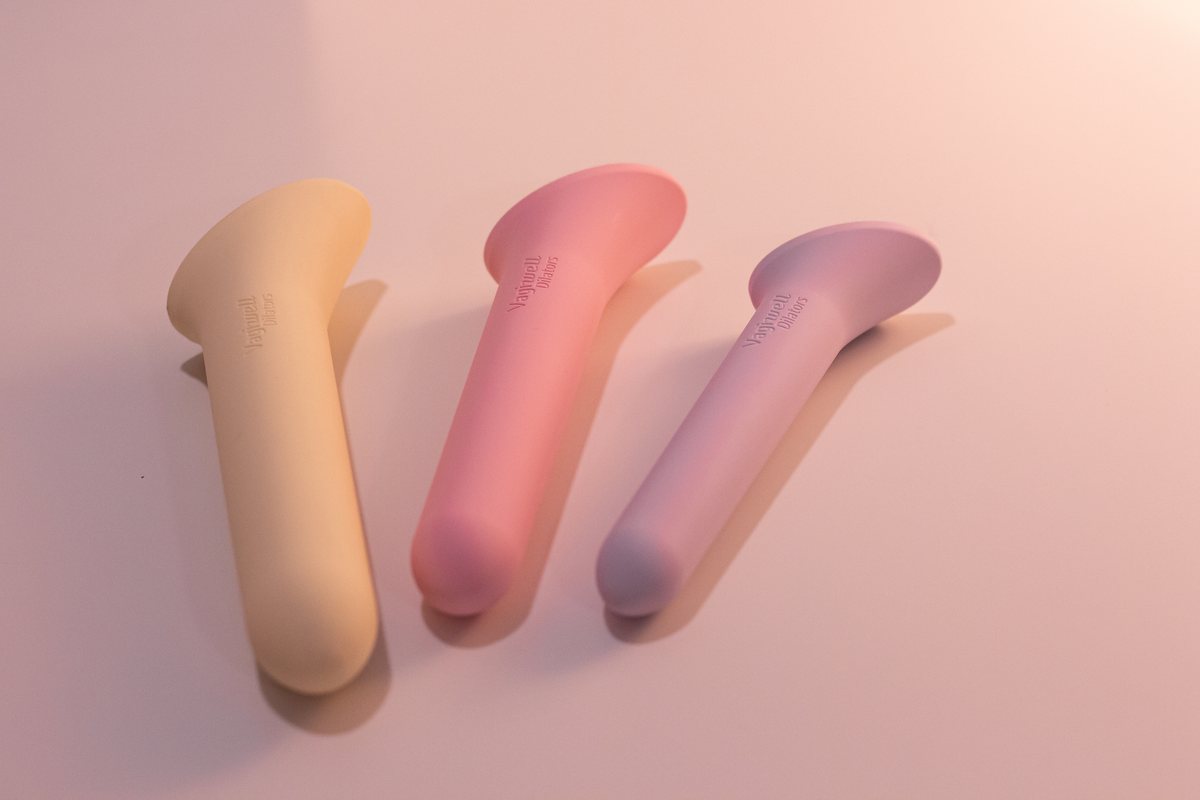
They are used to progressively stretch the vaginal walls, improve their proprioception and help them relax on penetration.
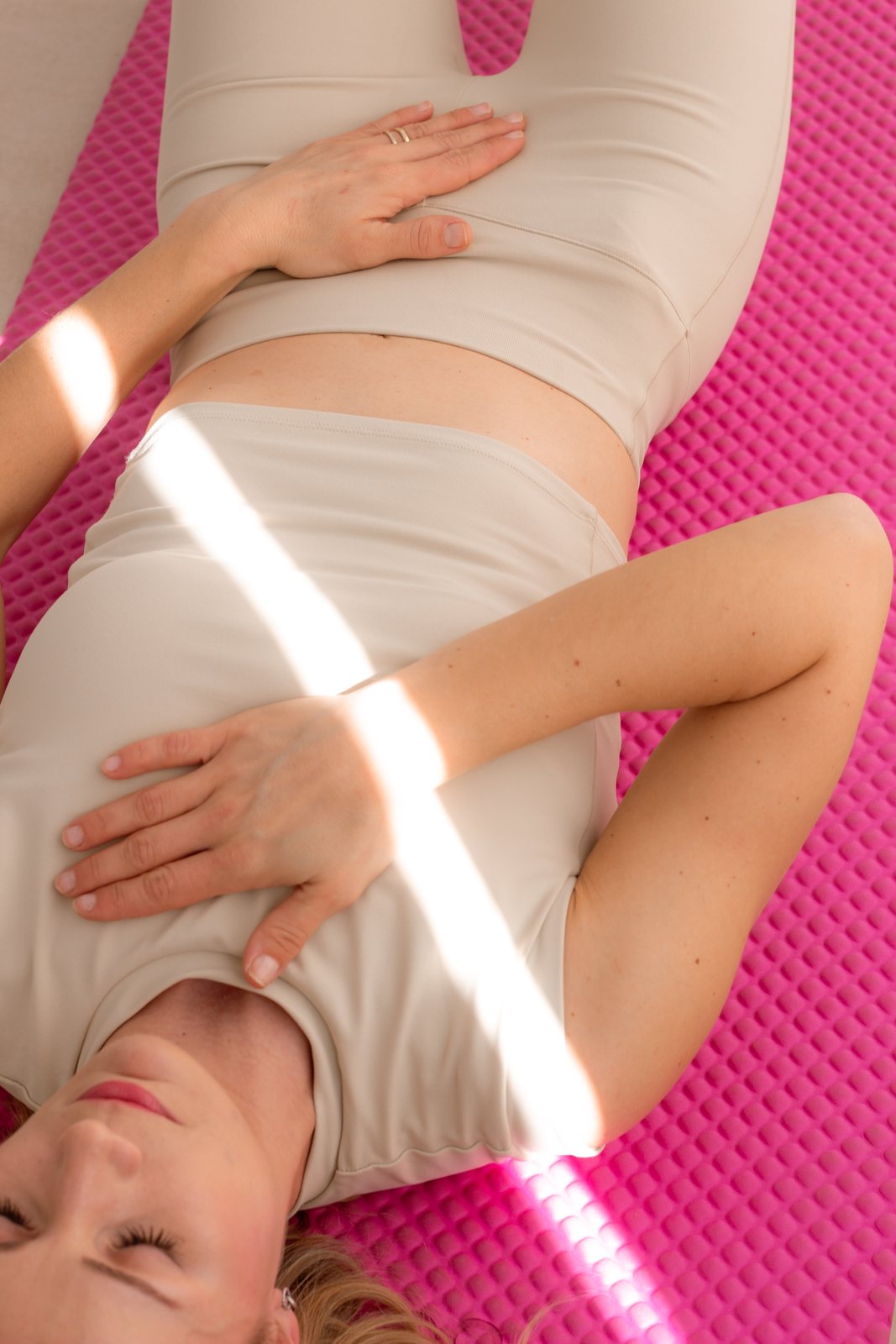
Reducing tension in the lower back muscles and the back of the pelvis has an effect on the perineal region. In sacral pumping, the sacrum is pressed towards the feet, coordinated with your breathing, to decompress the area.
Article content
Therapeutic exercise and postural re-education
The pelvic floor works as a team with the abdominal and spinal muscles. When the pelvic muscles are constantly tense, the abdominal wall and postural muscles tend to weaken, so most plans include postural correction and core tone exercises.
- Instability exercises on a BOSU, fitball or proprioception board.
- Hypopressive exercises.
- Pilates, leaving out exercises that increase abdominal pressure.
Many patients have tension not only in the internal pelvic muscles but across the whole lumbopelvic region. That’s why we teach you stretches for the lower back and sacrum, the perineum and adductors, and the perineum and groin, so you can build them into your daily routine.
Habits worth reviewing with you
Some types of training and other factors, if repeated constantly, can encourage or maintain vaginal pain. The most common are crunches, high-impact activities with jumping, long-distance running, constipation, a sedentary lifestyle, smoking and a chronic cough. It’s not about stopping moving, but about seeing which ones affect you and how to adapt your activity.
When to see your doctor first
Physiotherapy doesn’t replace a gynecology appointment. If the pain is new or very intense, or comes with fever, bleeding outside your period or changes in discharge, see your gynecologist or primary care doctor first.


What do we work on in physiotherapy for vaginal pain?
Vaginal pain often has a muscular component that can be treated. Pelvic floor physiotherapy deals with that side, always after gynecology has ruled out other causes or alongside their treatment.
After the assessment an individual treatment is planned, because every case is different and there are many areas to work on. In women with endometriosis, for example, the work includes manual techniques via the abdomen and vagina on the uterine ligaments, areas of adhesion and the lumbopelvic fascia, as support within their medical treatment.
The goal is for you to learn to relax your pelvic floor, for the tissues to gain flexibility and for you to have tools to look after yourself at home between sessions.
Learning to relax the pelvic floor muscles consciously.
Reducing tension in the lower back and the whole pelvis.
Making perineal scars more flexible after an episiotomy or tear.
Having prescribed exercises and stretches to do at home.



Your journey at the clinic starts like this
STEP 1.
Initial assessment
All patients start with an initial one-to-one session.
- We analyze your case in depth.
- We carry out the necessary examination.
- We explain what is happening and why.
- We design a personalized treatment plan.
- All with no further commitment.
STEP 2.
STEP 3.
Follow-up and progress
Your process doesn’t end after one session. It evolves with you.
- We regularly reassess your progress.
- We adjust the plan when necessary.
- You can combine one-to-one and group sessions depending on your progress.


Frequently asked questions
If you’re asking yourself these questions, you’re not the only one. Here we answer them clearly.
Yes, it’s advisable. Gynecology rules out inflammation, infections or other problems with the internal organs. Physiotherapy works on the muscular side of the pain and is compatible with any medical treatment you are prescribed.
It’s a pelvic floor physiotherapy assessment. We assess muscle strength, your ability to relax the muscles, the elasticity of the vaginal walls and any scars, and with all that we plan the treatment with you.
It can be. Scars from an episiotomy or tear, the use of instruments or adhesions from a cesarean are common causes of discomfort. There is also vaginal pain unrelated to birth, due to increased tone in the pelvic muscles.
Yes, once the assessment has been done. We teach you stretches for the lumbopelvic area and, if it suits your case, perineal massage to repeat at home. It’s better to start after your pelvic floor has been assessed, so the exercises are the right ones.
Because the pelvic floor is closely linked to the abdominal and spinal muscles. Reducing tension in the lower back and the back of the pelvis, and improving posture, is part of working on perineal pain.
It depends on each patient: your starting point, whether there is a deeper injury or condition, and how committed you are to the exercises at home. After the first session we decide on the right treatment. If you need individual follow-up, most people notice an improvement with a first pack of 5 sessions. From there, if you follow the guidelines at home, you may only need to come back for occasional check-ups. If there is a deeper injury, you may need to go beyond that first pack.