



Physiotherapy after an episiotomy in Valencia
An episiotomy scar or a tear can be far more uncomfortable than people say. We help you recover the area calmly and respectfully, explaining every step.



Article content
Episiotomy scar treatment
If it hurts when you sit down or during sex, or you simply avoid thinking about that area, you’re not the only one. It’s an intimate and sensitive area, so there’s no rush here: we explain everything before we do it and stop whenever you need.
An episiotomy is a cut in the perineum made during the pushing stage to widen the opening for the baby. After stitching, the wound needs care to heal and, later on, the pelvic floor needs rehabilitation. The same applies to tears that happen during a vaginal birth.
Modern obstetrics aims to protect the perineum. The Spanish Ministry of Health’s Clinical Practice Guideline on Normal Birth Care (2010) recommends not performing routine episiotomy in spontaneous births and reserving it for when there is a clinical need, such as an instrumental delivery or suspected fetal compromise.
How an episiotomy affects the pelvic floor
The stitches and scar change the tension of the pelvic floor, and the muscle needs re-education and strengthening to work properly. A scar is harder and less elastic than the surrounding tissue, and can form adhesions and pull on nearby tissues. After an episiotomy or tear you may notice:
- Less strength in the perineal muscles.
- Pain during sex (dyspareunia).
- Muscle asymmetry in the perineum.
- Adhesions or keloids in the scar.
- Discomfort when urinating or loss of sensation in the area.
The perineum, vaginal canal and pelvic floor have a lot of nerves and are very sensitive, which is why any wound or scar can be quite painful. If the pain doesn’t ease, you have a fever or a bad smell, or the wound opens, see your midwife or gynecologist.

“The stitches and scar change the tension of the pelvic floor, and the muscle needs re-education and strengthening”

How we treat episiotomy scars
Before starting any exercise we assess tone, strength and the scar. From that assessment you receive guidelines and exercises specific to your case.
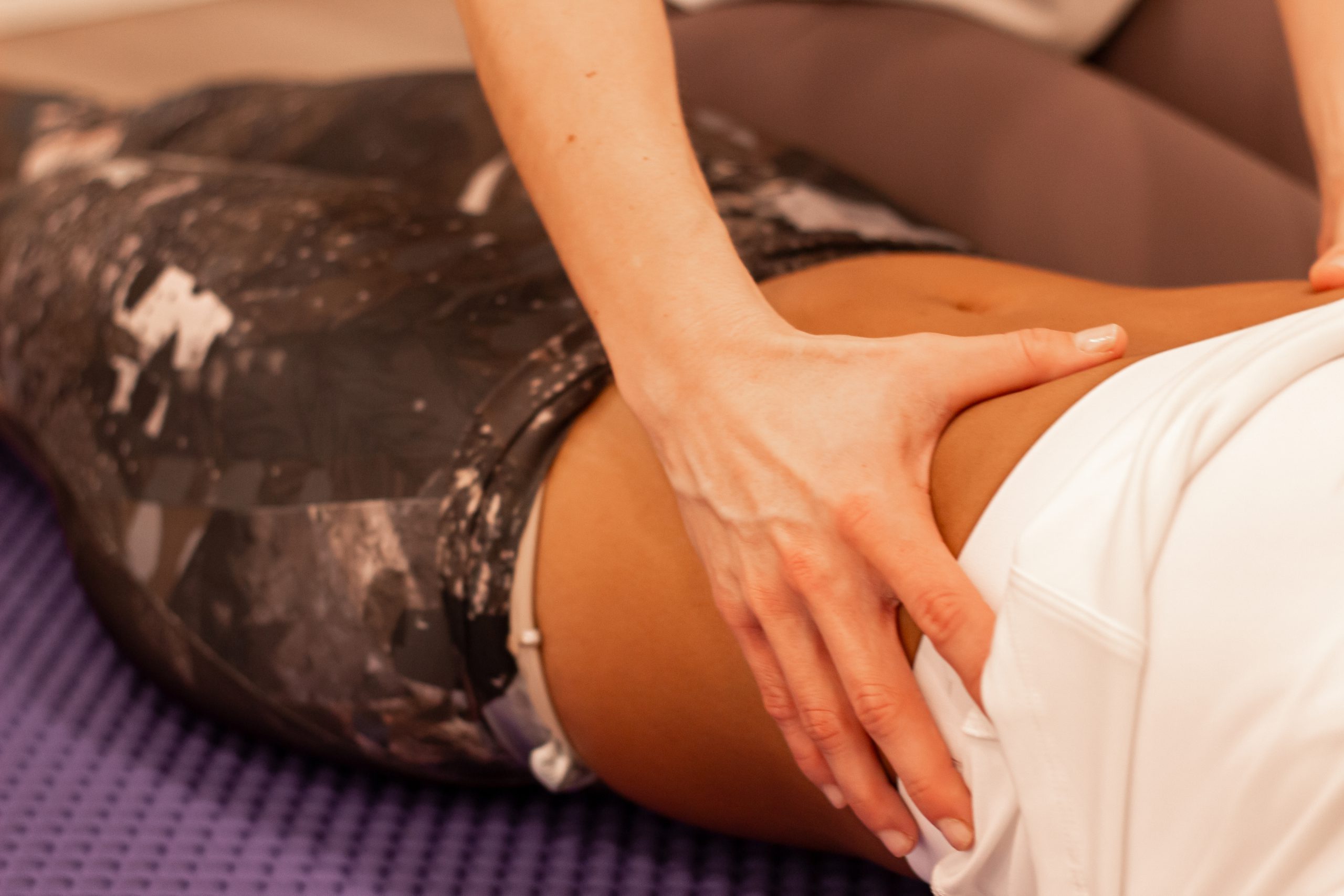
Once the stitches have come out and there’s no contraindication, we work on the scar with manual stretches to make it more flexible. It may feel uncomfortable at first, so we teach you how to do it at home and adjust the pressure.
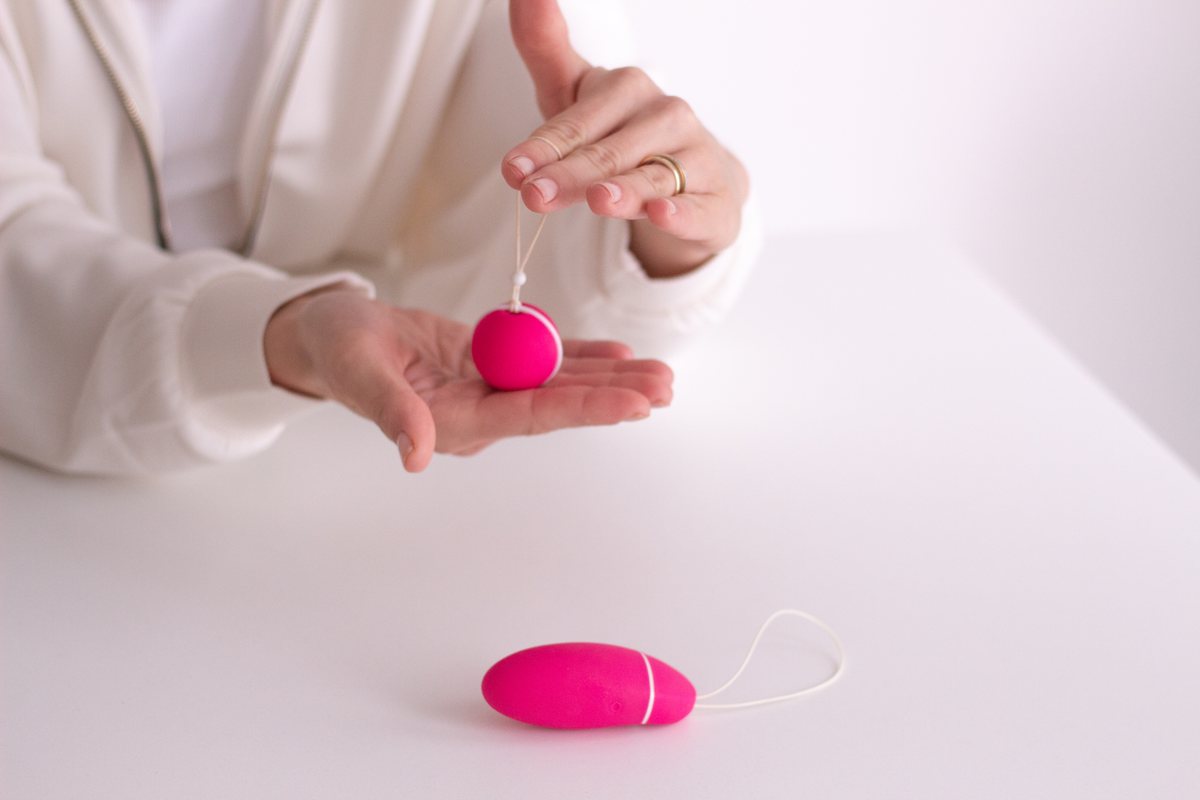
The vaginal probe picks up the electrical activity of the perineal muscles and you see your contractions on screen. This is how we re-educate and strengthen the muscles. In some cases it is combined with electrical stimulation to activate them.
If there is vaginal pain or pain during sex, we work with manual therapy, myofascial techniques and perineal stretching with dilators, always at your pace.
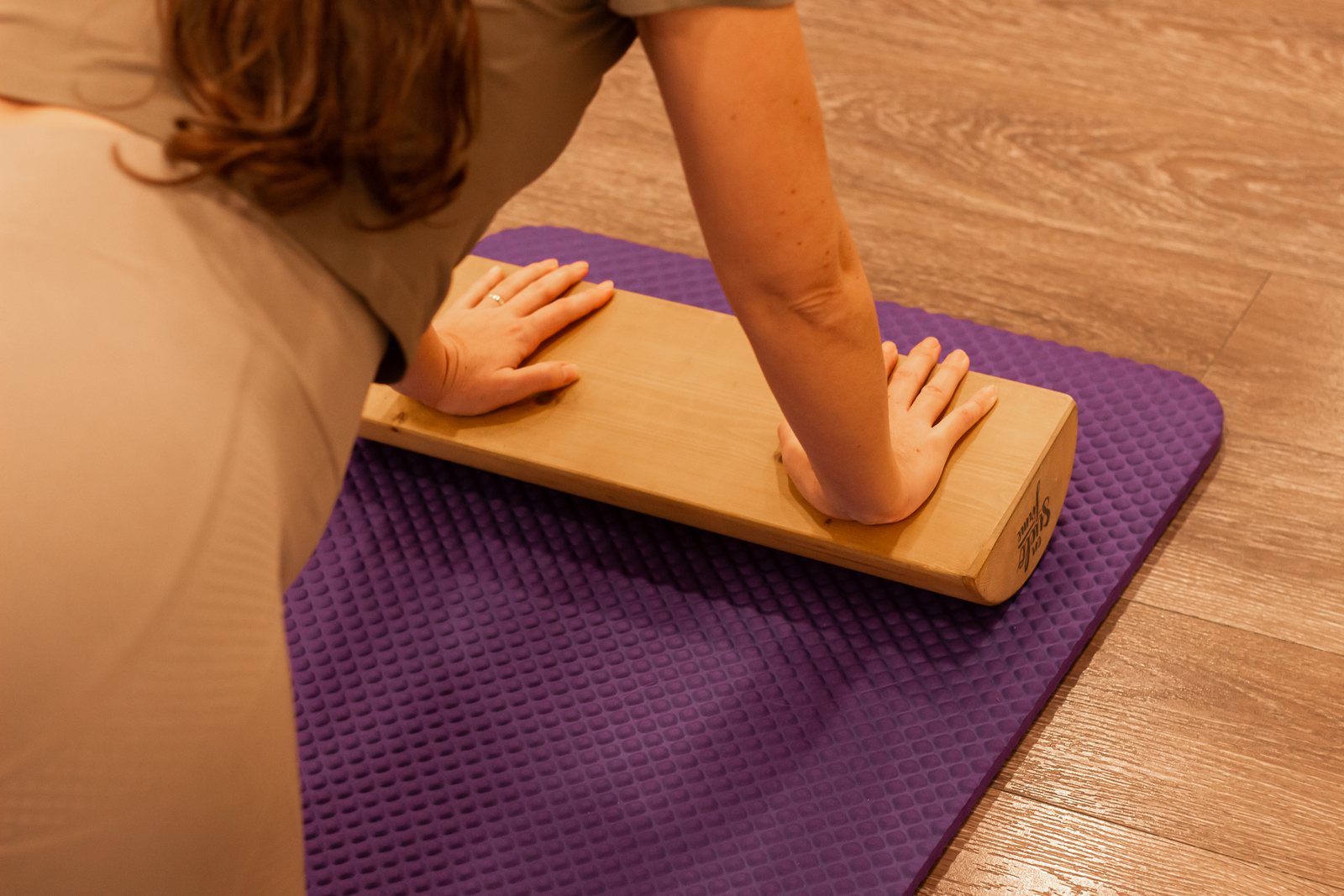
Then we move on to Kegels in inverted positions and in movement, hypopressive abdominal training, proprioceptive trunk exercises and low-impact functional exercises.
Article content
Caring for the perineal area at home
In the postpartum period the aim is to make the perineal scar more flexible and keep the vagina well lubricated. These are some of the guidelines we usually give, always after the assessment:
- Stretch the scar manually several times a week, as we show you in clinic.
- Moisturize the perineum daily, especially the scar area.
- Eat a balanced diet and drink enough water, so that constipation doesn’t add pressure on the perineum.
- Wait to resume sex until massaging the scar no longer hurts, without any rush.
- Do the Kegel exercises we’ve given you every day.
If you’re pregnant
Looking after the perineum also starts before the birth. In the last weeks of pregnancy you can learn perineal massage, which softens the tissue, makes it more flexible and helps you get used to the stretching sensation. Ideally the first time is done by a midwife or a physiotherapist specializing in gynecology, because your muscles need to be assessed first.
There’s no protocol that works for everyone. Some women need to gain strength and others, especially when the pelvic floor has high tone or tension has built up in the area, need elasticity and relaxation. That’s why our preparation combines contractions with stretches and pelvic floor relaxation exercises, such as squatting or pelvic movements on a fitball.


What do we work on in physiotherapy after an episiotomy?
After a birth with an episiotomy or tear, we aim for the perineum to have a flexible scar and muscles that work well, with tone, strength and the ability to relax.
An episiotomy scar can be linked to pelvic pain, pain when urinating, discomfort during sex or loss of sensation in the pelvic floor. That’s why we don’t start strengthening without assessing first, because a pelvic floor with too much tone isn’t treated in the same way as one with little strength.
We combine hands-on scar work with biofeedback, electrical stimulation when needed and exercises adapted to each stage, and we adjust the plan with you as we go.
Making the perineal scar more flexible and working on its adhesions.
Working on pain during sex with manual therapy and dilators.
Re-educating the pelvic floor contraction with biofeedback.
Returning to exercise with Kegels in movement, hypopressives and low-impact work.



Your journey at the clinic starts like this
STEP 1.
Initial assessment
All patients start with an initial one-to-one session.
- We analyze your case in depth.
- We carry out the necessary examination.
- We explain what is happening and why.
- We design a personalized treatment plan.
- All with no further commitment.
STEP 2.
STEP 3.
Follow-up and progress
Your process doesn’t end after one session. It evolves with you.
- We regularly reassess your progress.
- We adjust the plan when necessary.
- You can combine one-to-one and group sessions depending on your progress.


Frequently asked questions
If you’re asking yourself these questions, you’re not the only one. Here we answer them clearly.
At the clinic we usually do the assessment session a few weeks after the birth, once the stitches have come out and you’ve had your check-up with your midwife or gynecologist. From there you receive guidelines to care for the scar and work on muscle tone.
The perineum is a very sensitive area and it’s common to feel discomfort while it heals. If the pain continues as the weeks go by, stops you sitting down or appears during sex, it’s worth having it assessed. If there’s fever, discharge or the wound opens, see your midwife or doctor first.
There’s no date that works for everyone and you shouldn’t feel any pressure. It’s advisable to wait until massaging the scar no longer hurts and to start with self-exploration. If there is pain, it can be worked on in physiotherapy.
Perineal scars after a tear during a vaginal birth are also assessed and treated with manual and instrumental techniques. We adapt the work to the extent and condition of the scar.
Better after the assessment. If your pelvic floor tone is too high, contracting it more can increase discomfort, and in that case we work on relaxation and elasticity first. After the assessment we teach you the correct technique, often with biofeedback.
It depends on each patient: your starting point, whether there is a deeper injury or condition, and how committed you are to the exercises at home. After the first session we decide on the right treatment. If you need individual follow-up, most people notice an improvement with a first pack of 5 sessions. From there, if you follow the guidelines at home, you may only need to come back for occasional check-ups. If there is a deeper injury, you may need to go beyond that first pack.