




Physiotherapy for endometriosis in Valencia
Endometriosis hurts, and you shouldn’t have to normalize it. We work with you on pain and pelvic tension, always as part of your gynecological treatment.
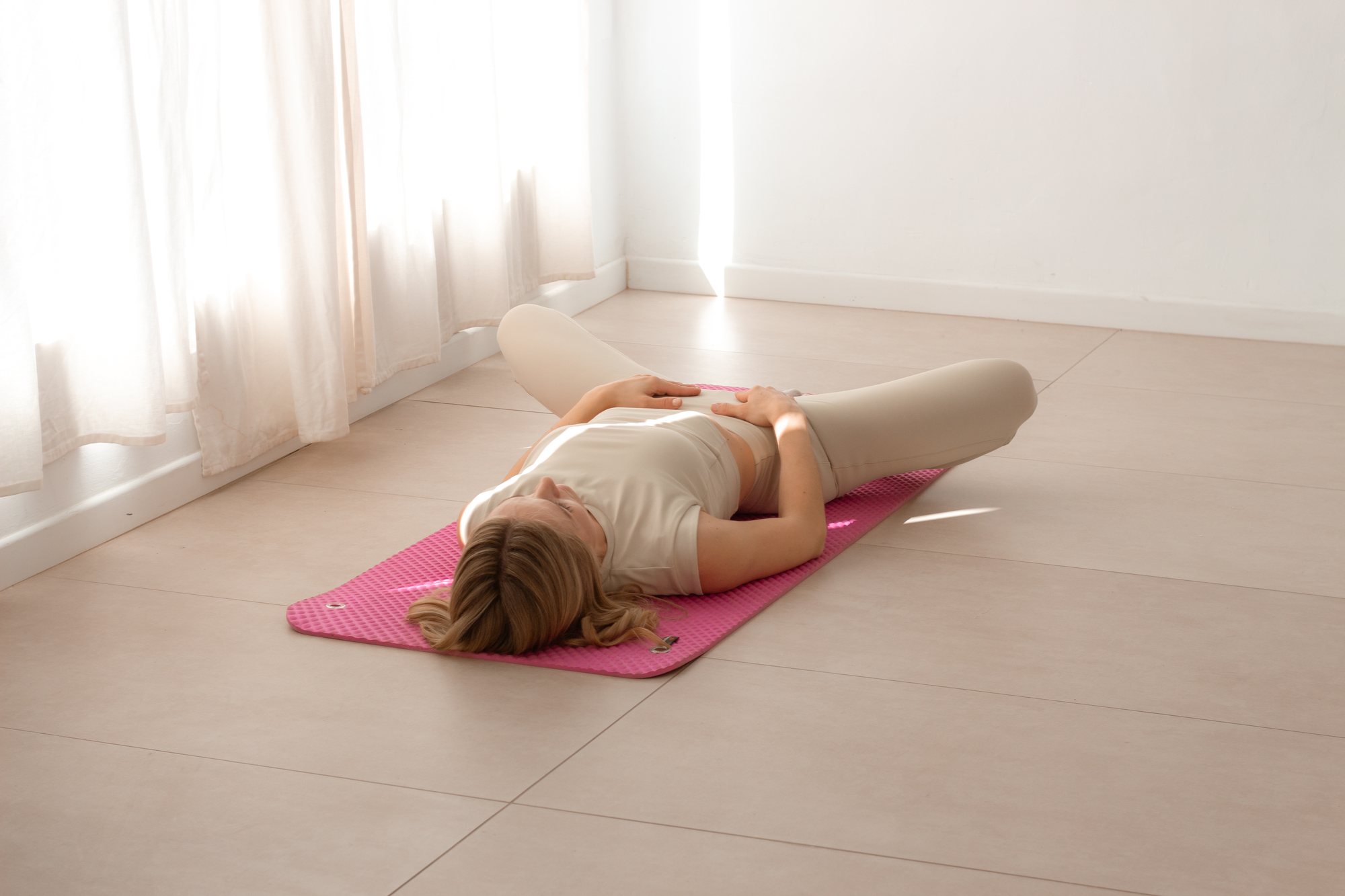



Article content
What is endometriosis?
If you’ve spent years hearing that periods just hurt, here we will take you seriously. Physiotherapy doesn’t replace your gynecological treatment, but it can help reduce pelvic tension and help you move with less fear of pain.
Endometriosis is a condition in which tissue similar to the lining of the uterus grows outside it. It mainly affects women of childbearing age and, according to the World Health Organization, around 10% of women of reproductive age worldwide, some 190 million.
The areas where it most often appears are:
- The pelvic cavity, which directly affects the pelvic floor.
- The area behind the uterus.
- The uterine ligaments.
- The ovaries.
- The bowel and bladder.

Symptoms of endometriosis
Endometriosis is confirmed by a gynecologist with tests such as an ultrasound scan or laparoscopy. The WHO notes that the delay in confirming it is often long, between 4 and 12 years on average, so if you recognize yourself in these symptoms, see a gynecologist:
- Severe abdominal pain during your period.
- Chronic pelvic pain.
- Pain during sex.
- Heavy bleeding.
- Abdominal bloating, nausea, diarrhea or constipation.
- Fatigue.
- Difficulty getting pregnant.
If you have several of these symptoms, it may help to note over a few cycles when they appear, how long they last and what makes them worse. That information is useful at your gynecology appointment and at the physiotherapy assessment.
In the pelvic floor it’s common to find hypertonia, that is, muscles that are constantly tense, and muscle knots around the vagina, vulva and anus. Local inflammation can also lead to adhesions, bands of scar tissue that form in the pelvis and are associated with chronic pelvic pain. When endometriosis affects the ovaries, cysts called endometriomas can appear.

“In endometriosis, the most important thing is to lower the tone of hypertonic muscles”

How we treat endometriosis
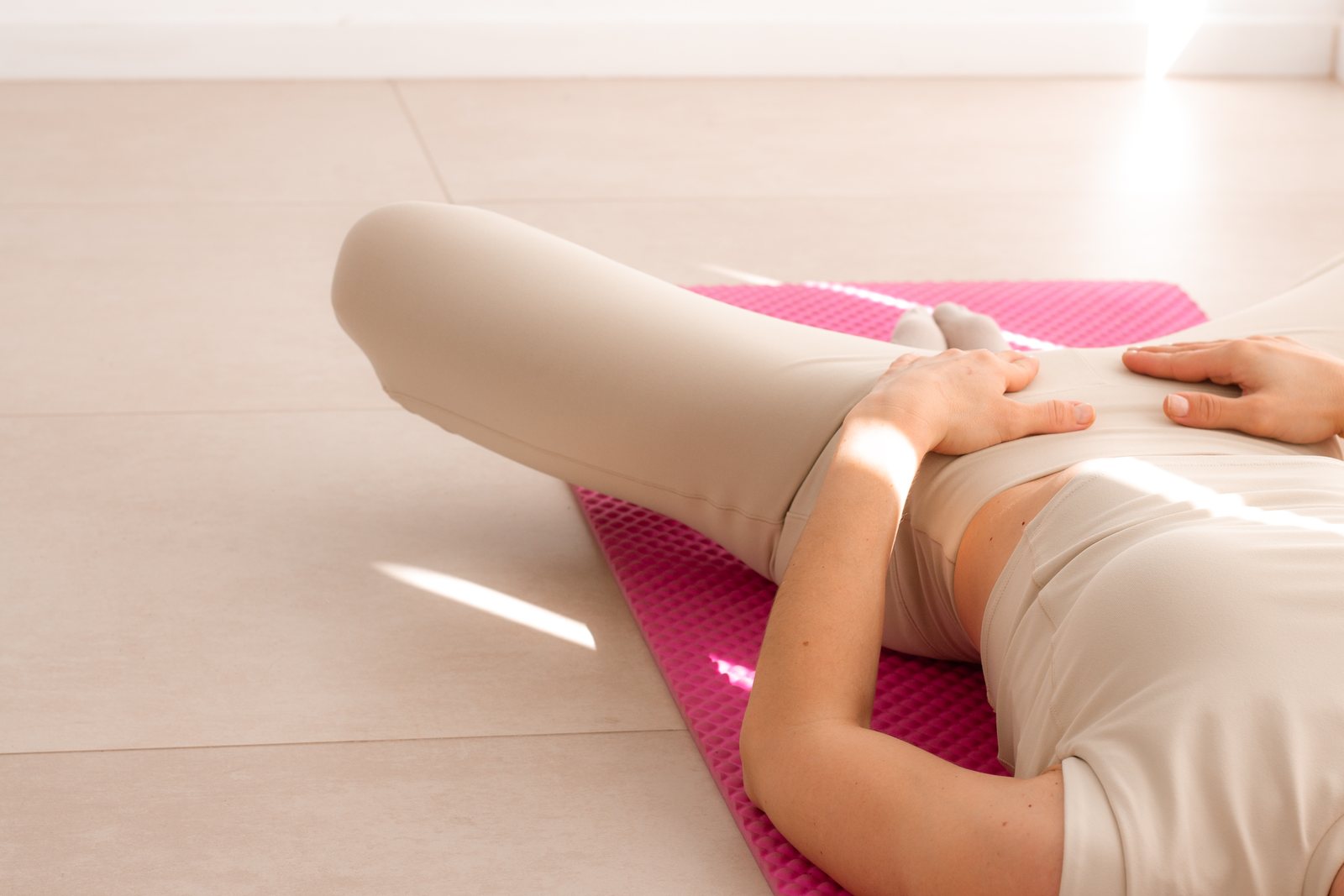
External and internal perineal treatment, perineal massage, manual and foam-roller myofascial massage and, if indicated, perineal dry needling to reduce muscle tension.
Done in a draining position, with the legs slightly raised, on the legs, groin, pelvis and abdomen. It is useful for swelling in the lower body, including after endometriosis surgery.
We apply heat to the vulval area and inside the vagina to work on hypertonia, high-frequency diathermy over the pubis, sacrum and abdomen, and infrared to the lower back and sacrum to relax it.
Relaxation exercises with deep breathing and biofeedback so you learn to feel and release your pelvic floor muscles.
Hypopressive exercises for abdominal and pelvic tone, fitball work to mobilize the pelvis and lower back, proprioception and some yoga postures that encourage drainage and relax the pelvic floor.
Article content
Pelvic floor physiotherapy in endometriosis
The WHO explains that treatment for endometriosis focuses on controlling symptoms and limiting their long-term impact. Pelvic floor physiotherapy adds to that treatment as support for pain and your quality of life, and also as rehabilitation after surgery. Decisions about medication or procedures are made by your gynecologist.
In the rehabilitation of women with endometriosis, the most important thing is to lower the tone of muscles that are too tense, such as the pelvic floor, rectus abdominis or quadratus lumborum.
What the first session is like
The first appointment is a physiotherapy assessment. We go over your history, such as any operations or procedures you’ve had and your obstetric history (births, cesareans, miscarriages or postpartum complications), and if you have gynecology reports we review them with you.
Then we examine the pelvic floor, abdomen, diaphragm and the external muscles of the pelvis, and do specific tests on the joints of the pelvis and spine. With all this we prepare a treatment plan tailored to you, which may change according to how you feel at each point in your cycle.


What do we work on with physiotherapy in endometriosis?
Endometriosis doesn’t only affect the uterus or ovaries. Ongoing pain makes the muscles of the pelvis, abdomen and lower back tense up, and that tension can add more discomfort during sex, when going to the bathroom or in your daily life.
Pelvic floor physiotherapy works on that muscular and mobility side with manual therapy, drainage, heat, relaxation exercises and movement. The goal is to help you manage pain and move more comfortably, always within the treatment your gynecologist is providing.
If you notice new pain or pain that is much stronger than usual, fever or unusual bleeding, see your gynecologist or doctor.
Work on hypertonia of the pelvic floor, abdomen and lower back.
Lymphatic drainage for swelling, including after endometriosis surgery.
Support in managing pelvic pain, coordinated with your gynecological treatment.
Relaxation and mobility exercises you can continue at home.



Your journey at the clinic starts like this
STEP 1.
Initial assessment
All patients start with an initial one-to-one session.
- We analyze your case in depth.
- We carry out the necessary examination.
- We explain what is happening and why.
- We design a personalized treatment plan.
- All with no further commitment.
STEP 2.
STEP 3.
Follow-up and progress
Your process doesn’t end after one session. It evolves with you.
- We regularly reassess your progress.
- We adjust the plan when necessary.
- You can combine one-to-one and group sessions depending on your progress.


Frequently asked questions
If you’re asking yourself these questions, you’re not the only one. Here we answer them clearly.
No. Endometriosis is treated by gynecology, with medication or surgery when needed. Pelvic floor physiotherapy adds support for pain, muscle tension and quality of life.
You can book a physiotherapy assessment for pelvic pain, but symptoms that suggest endometriosis must be investigated by a gynecologist. If you haven’t seen one yet, we’ll recommend that you do.
Yes, as post-operative rehabilitation. We work on swelling with manual lymphatic drainage, scars and tension in the pelvic and abdominal muscles, always once your medical team authorizes it.
Before we start, we explain step by step what we’re going to do and adapt the examination to your pain. If on a given day a vaginal examination is painful, we don’t do it and work externally instead.
We’ll teach you pelvic floor relaxation exercises with breathing, fitball mobilizations and positions that encourage drainage. The plan is tailored to each woman after the assessment.
It depends on each patient: your starting point, whether there is a deeper injury or condition, and how committed you are to the exercises at home. After the first session we decide on the right treatment. If you need individual follow-up, most people notice an improvement with a first pack of 5 sessions. From there, if you follow the guidelines at home, you may only need to come back for occasional check-ups. If there is a deeper injury, you may need to go beyond that first pack.