




Physiotherapy for vulvodynia in Valencia
Living with vulval pain without a clear cause is exhausting. We listen to you without rushing and work with you individually, in coordination with your gynecologist, so you can get your wellbeing back.



Article content
What vulvodynia is
If you’ve gone from one appointment to another without an explanation, I understand that you’re tired. Vulvodynia exists, and you’re not imagining it. Here you go at your own pace and we don’t do anything you don’t understand or aren’t comfortable with.
Vulvodynia is pain in the vulva that lasts at least three months and has no clear cause to explain it. This is how it is defined by the scientific societies that study vulval pain and female sexual health. The vulva usually looks normal, with no visible lesions, and yet it hurts.
It is described as burning, stinging, prickling or stabbing pain, sometimes spreading to the groin, thighs or anal area. It can affect the whole vulva or just part of it, such as the vestibule, which is the entrance to the vagina. In some women it appears spontaneously, without any trigger, and in others on contact: during sex, a gynecological check-up, inserting a tampon, daily hygiene, the rubbing of tight clothing or simply sitting down.
Gynecology first
As vulvodynia is pain without a specific cause, the causes that can be identified, such as infections or skin conditions of the vulva, need to be ruled out first. That assessment is done by a gynecologist. Pelvic floor physiotherapy comes in afterwards, or alongside medical treatment, to work on the muscular side of the pain.
It’s not always known why it appears. Factors that may be involved include irritation or hypersensitivity of the nerves in the area, previous vaginal or urinary infections, hormonal changes, an injury during birth or after surgery, and dysfunction of the pelvic floor muscles.
What physiotherapy offers
The American College of Obstetricians and Gynecologists recommends an individual approach to persistent vulval pain, with a team of several professionals including physiotherapists, clinical psychologists, sex therapists and pain units. In provoked vestibulodynia, the most common type, a 2021 clinical trial compared a physiotherapy program (education, pelvic floor exercises with biofeedback, manual therapy and dilators) with a topical anesthetic, and its conclusions support physiotherapy as a first-line treatment.

“The goal is to teach the pelvic floor muscles to respond to touch in a controlled way”

How we treat vulvodynia
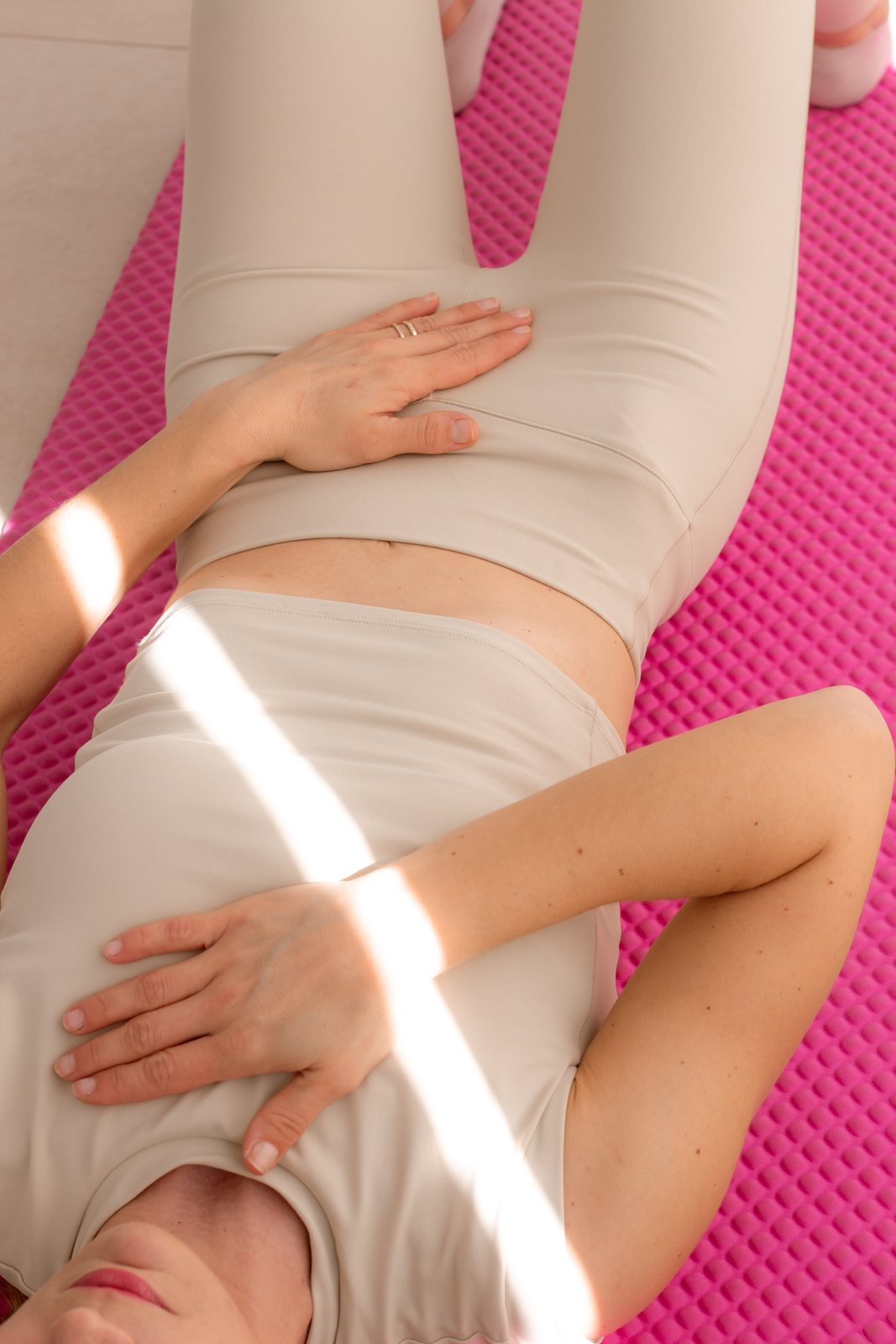
In the first sessions we explain the anatomy of the pelvic muscles and how they work, using diagrams, pelvic models and exercises to feel the bones of the pelvis. Understanding what is happening helps you manage the fear of pain.
Many women know how to contract their pelvic floor but not how to relax it consciously. We work on contractions and relaxations with deep breathing, giving relaxation twice as long as contraction, and with biofeedback so you can see what your muscles are doing.
External and internal vaginal manual techniques to reduce tension in the muscles and tissues of the area, always at your pace and respecting your pain threshold.
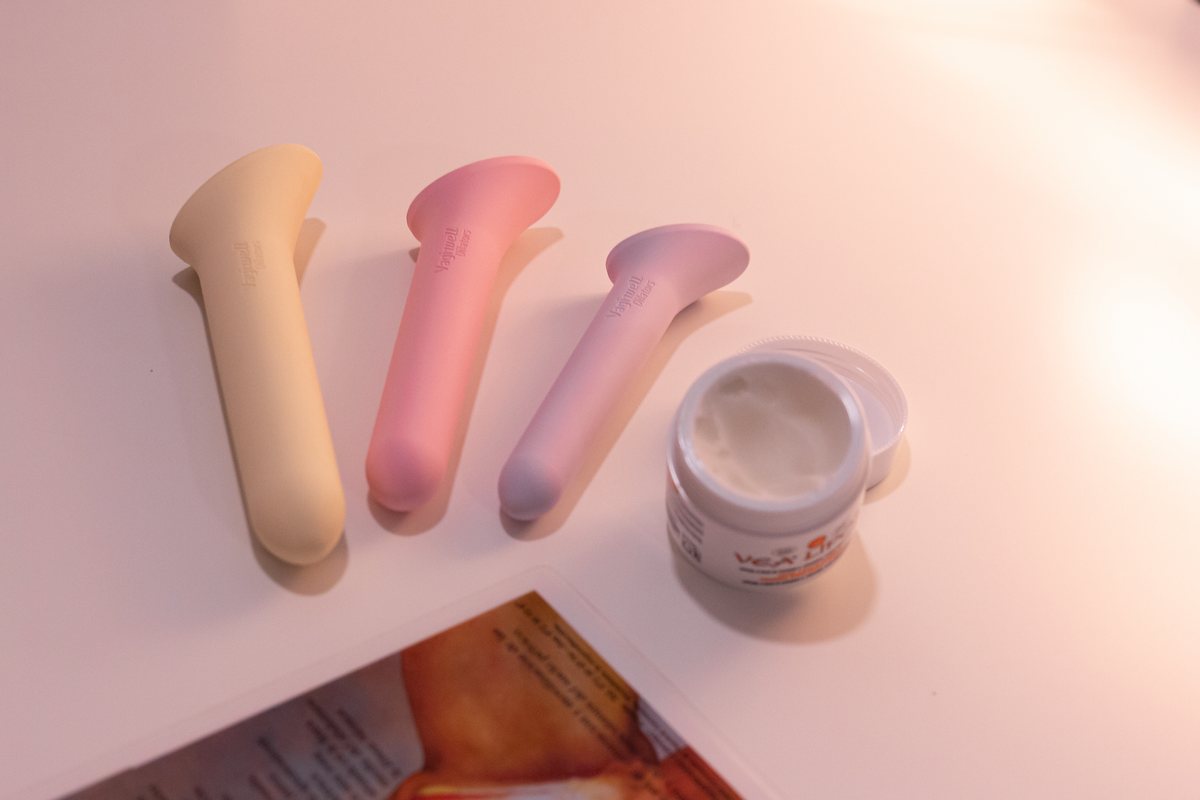
We start with very slim dilators and gradually increase the size, under supervision, to stretch the tissues and reduce spasms at the feeling of having something inside the vagina.
If there is tension in the glutes and back, we add stretches for those muscles and gentle exercise such as Pilates or global stretching.
Article content
A team effort
Persistent vulval pain mixes physical and emotional aspects, which is why a shared approach works best. Gynecology assesses and treats the medical side, pelvic floor physiotherapy looks after the muscles and tissues, and psychology or sex therapy help with fear of pain, anxiety or the impact on your relationship when needed.
Your pain is real even if nothing shows up in the examination. We tell you so from the first session, because many women come to us after being told the opposite.
Realistic goals
Persistent vulval pain is a complex condition and rarely improves overnight, even with the right treatment. That’s why, after the physiotherapy assessment, we set specific, achievable goals with you, such as being able to insert a tampon, sitting for longer without discomfort or going back to a gynecological check-up with less tension, and we review them as we go.
In your daily life
Between sessions we give you breathing and pelvic floor relaxation exercises you can do sitting on a chair, with your pelvis in neutral and your back straight, plus stretches for the lower back and glutes. We also look at the friction that bothers you, such as tight clothing or sitting for long periods on hard surfaces, to find alternatives.


What do we work on in physiotherapy for vulvodynia?
Pelvic floor physiotherapy works on the muscular and tissue side that often comes with vulval pain. The assessment shows us the tone of your muscles, whether you can relax them voluntarily, the elasticity of the tissues and whether there are scars or tight bands.
With that information we plan an individual treatment that combines education, manual techniques, exercises and, if appropriate, dilators. We coordinate it with your gynecologist and, if you need it, with a psychologist or sex therapist.
The goal is for you to understand your body, for your muscles to learn to relax on contact and for you to have your own tools to manage pain in daily life. We always work at your pace and respecting your pain threshold, and we review the goals with you as you progress.
Understanding how your pelvic floor works and how it relates to the pain.
Reducing tissue tension with manual techniques and dilators.
Learning to relax the pelvic muscles on contact.
Having breathing exercises and stretches for your daily life.



Your journey at the clinic starts like this
STEP 1.
Initial assessment
All patients start with an initial one-to-one session.
- We analyze your case in depth.
- We carry out the necessary examination.
- We explain what is happening and why.
- We design a personalized treatment plan.
- All with no further commitment.
STEP 2.
STEP 3.
Follow-up and progress
Your process doesn’t end after one session. It evolves with you.
- We regularly reassess your progress.
- We adjust the plan when necessary.
- You can combine one-to-one and group sessions depending on your progress.


Frequently asked questions
If you’re asking yourself these questions, you’re not the only one. Here we answer them clearly.
Vulvodynia is persistent pain in the vulva without a clear cause. Vaginismus is increased tone in the pelvic floor muscles that closes the entrance to the vagina and makes penetration difficult. They can occur together, and at the assessment we see what muscular component there is in your case.
Yes. Before talking about vulvodynia, other causes of the pain, such as infections or skin conditions of the vulva, need to be ruled out, and that’s done by a gynecologist. Physiotherapy works in coordination with that follow-up.
Because in many women with vulval pain the pelvic floor muscles are tense and don’t know how to relax. Gynecology guidelines include physiotherapy in the team that treats persistent vulval pain.
It’s a physiotherapy assessment. We talk about your history and when the pain appears, and assess the tone of the muscles, their ability to relax and the condition of the tissues. You set the pace and can stop whenever you need.
Yes. Physiotherapy doesn’t replace medication or other treatments prescribed by your gynecologist or pain unit; it adds to them.
It depends on each patient: your starting point, whether there is a deeper injury or condition, and how committed you are to the exercises at home. After the first session we decide on the right treatment. If you need individual follow-up, most people notice an improvement with a first pack of 5 sessions. From there, if you follow the guidelines at home, you may only need to come back for occasional check-ups. If there is a deeper injury, you may need to go beyond that first pack.