




Perineal massage and birth preparation in Valencia
Going into labor knowing your perineum gives you a lot of peace of mind. We teach you perineal massage, positions and breathing so you can experience it with more confidence.
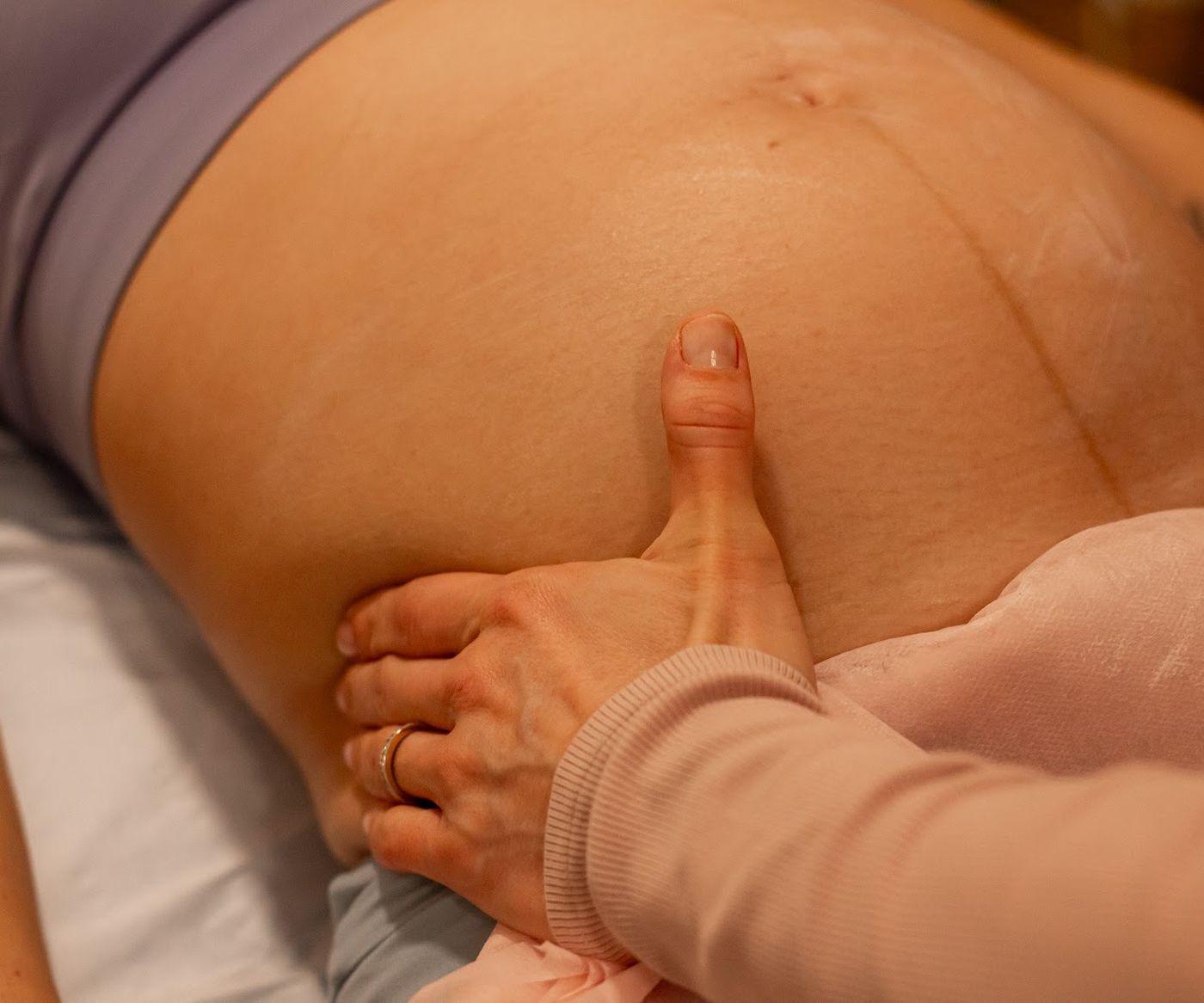



Article content
What perineal massage is
The perineum stretches a lot during a vaginal birth, because it has to adapt to the baby’s head. Perineal massage softens the area, makes it more flexible and improves circulation in the superficial pelvic floor muscles.
It also helps you get to know the stretching sensation you will feel during the birth. However, it has not been shown to completely prevent a tear or an episiotomy, and we prefer to tell you so clearly.
When to start
It usually starts at week 34 or 35 of pregnancy. The first time it’s best done with a professional, who checks your muscles and teaches you the technique.
After that you can continue at home every day, or at least three times a week, with a suitable oil. If your bump makes it difficult, your partner can do it for you. If you like, come together and we’ll teach you both.
What else good preparation includes
- Pelvic floor toning exercises.
- Pelvic mobility exercises.
- Perineal massage.
- Daily moisturizing of the perineum.

“Knowing the stretching sensation helps you go into labor feeling calmer”

How we prepare you for birth
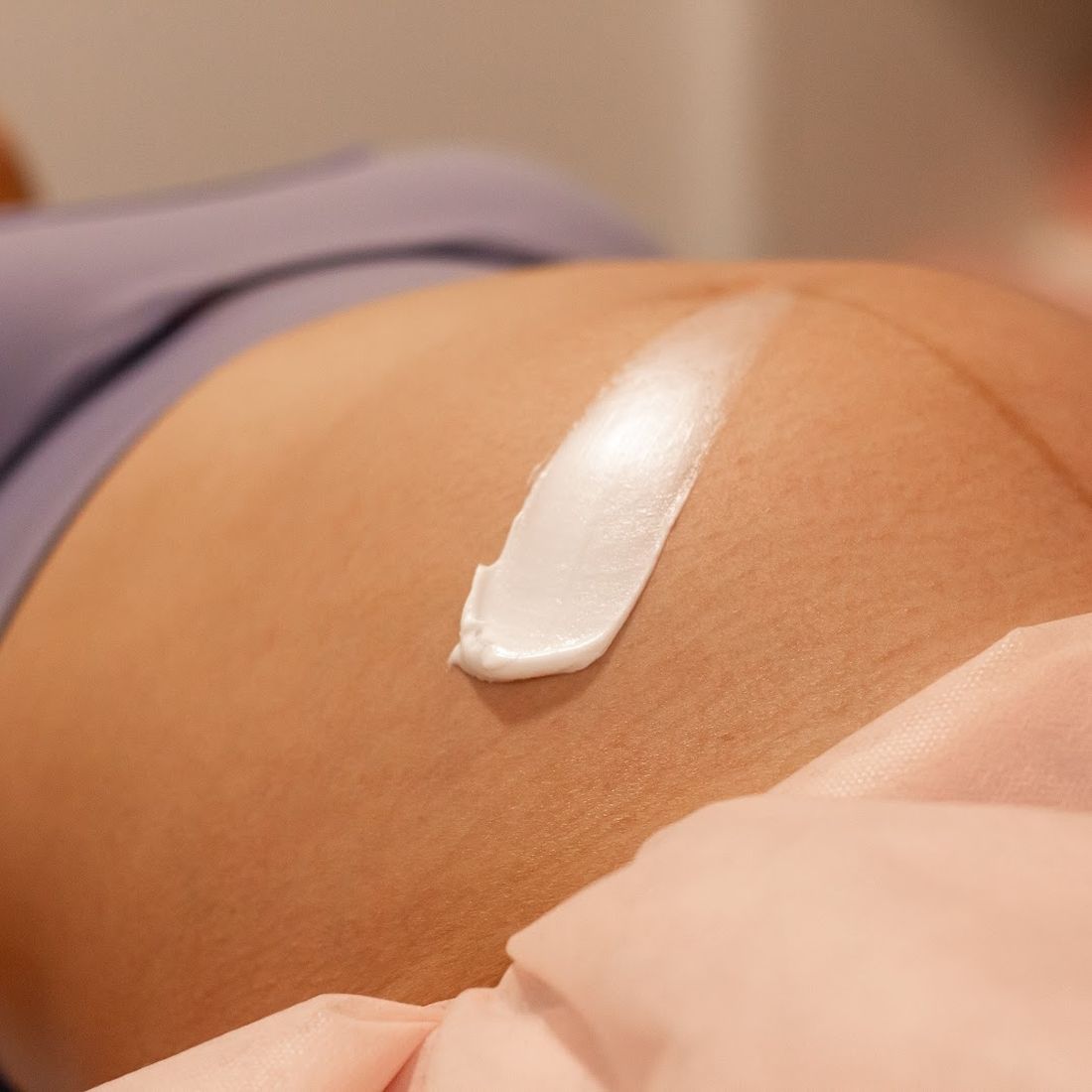
We check the condition of your pelvic floor and adapt the massage. If there is hypertonia, the stretch is different from that for a perineum with low tone.
We teach you the technique, the right pressure and which sensations are normal.
We practice changes of position and movements, including with a birthing ball, that help dilation.
You learn to coordinate your breathing and push on the out-breath, in positions that protect the pelvic floor.
If you wish, your partner learns hands-on techniques to help you on the day of the birth.
Article content
When it’s best not to do it
Check with your midwife or gynecologist if you have an active vaginal infection, bleeding, your waters have broken or your pregnancy is at risk of premature labor. In those cases you need to check first whether it is suitable.
After the birth too
Massage can also help women who have had an episiotomy or a tear, once the scar has healed and always after an assessment.


What do we work on in birth preparation?
Every pregnancy is different, so we adapt the work to your week of pregnancy and how you are. The goal is for you to go into labor knowing your body and with tools for that moment.
Elasticity and awareness of the perineum.
Breathing and pushing that protect the pelvic floor.
Pelvic mobility for dilation.
Techniques to do at home and with your partner.



Your journey at the clinic starts like this
STEP 1.
Initial assessment
All patients start with an initial one-to-one session.
- We analyze your case in depth.
- We carry out the necessary examination.
- We explain what is happening and why.
- We design a personalized treatment plan.
- All with no further commitment.
STEP 2.
STEP 3.
Follow-up and progress
Your process doesn’t end after one session. It evolves with you.
- We regularly reassess your progress.
- We adjust the plan when necessary.
- You can combine one-to-one and group sessions depending on your progress.


Frequently asked questions
If you’re asking yourself these questions, you’re not the only one. Here we answer them clearly.
It can’t be guaranteed. It helps make the area more flexible and get to know the sensations, but other factors in the birth also play a part.
Every day or at least three times a week, after learning it with a professional.
A specific perineal massage oil or a natural one. We’ll advise you in clinic.
Yes. Ideally they come to the first session and learn it with us.
Yes. In an online consultation we can teach you perineal massage, breathing and pushing, depending on your case and your week of pregnancy.