




Physiotherapy before and after pelvic surgery in Valencia
Preparing before an operation and recovering well afterwards makes all the difference. We support you in both stages, in coordination with your medical team.



Article content
Why have physiotherapy for pelvic surgery
A hysterectomy or surgery for prolapse, incontinence or endometriosis affects the pelvic tissues and the pelvic floor. Afterwards you may experience weakness, pain, tight scars or fear of moving.
Before the operation
If you arrive with well-trained muscles, know how to activate them and know how to move, your recovery starts from a better base. We assess your pelvic floor, teach you how to breathe and explain which efforts to avoid afterwards.
After the operation
Once your medical team gives the go-ahead, we start with gentle mobility and pelvic floor activation. Later we work on the scars and a gradual return to exercise.

“Surgery repairs, and physiotherapy helps the muscles work again”

How we support you
We check your pelvic floor, abdomen, posture and symptoms.
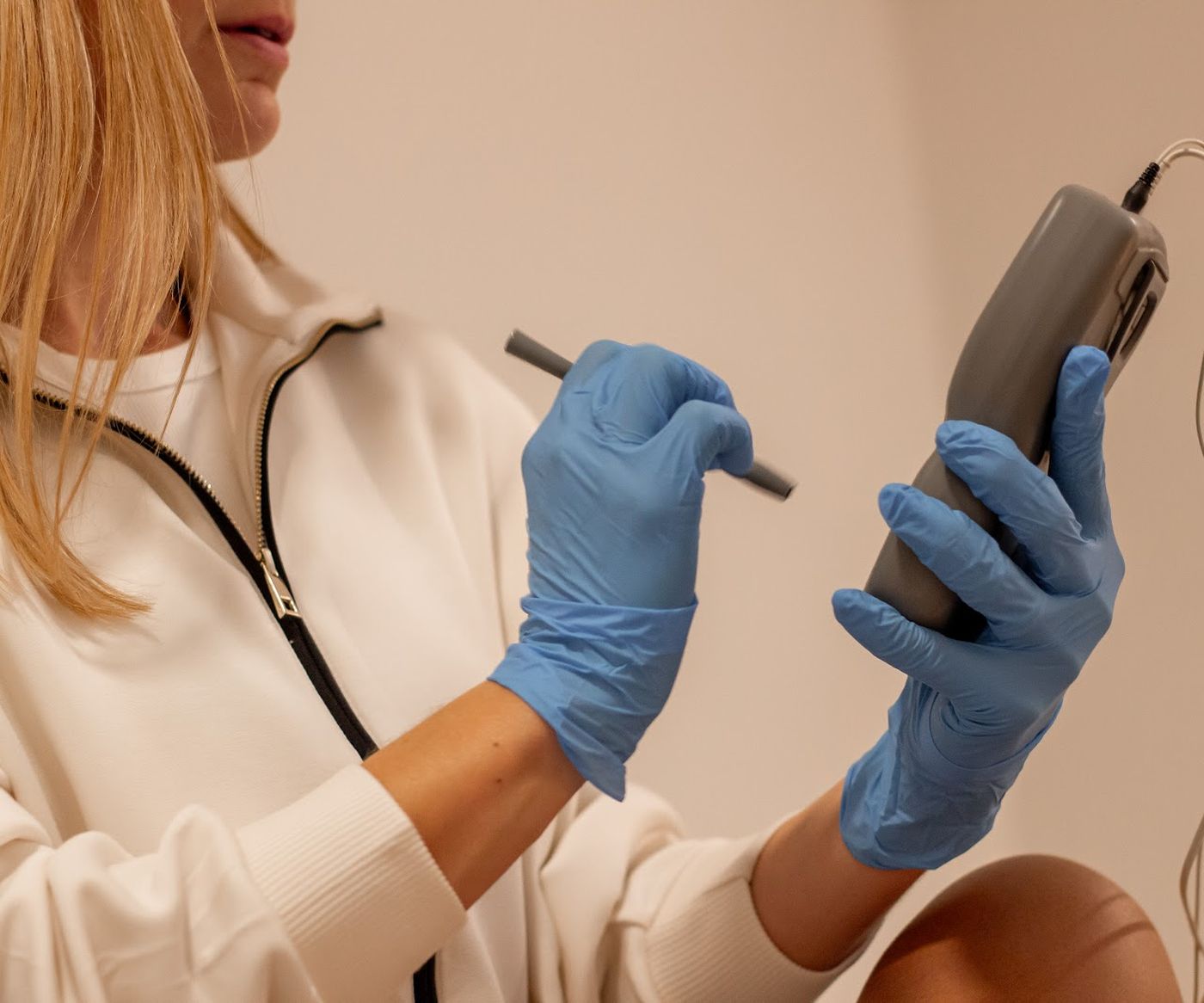
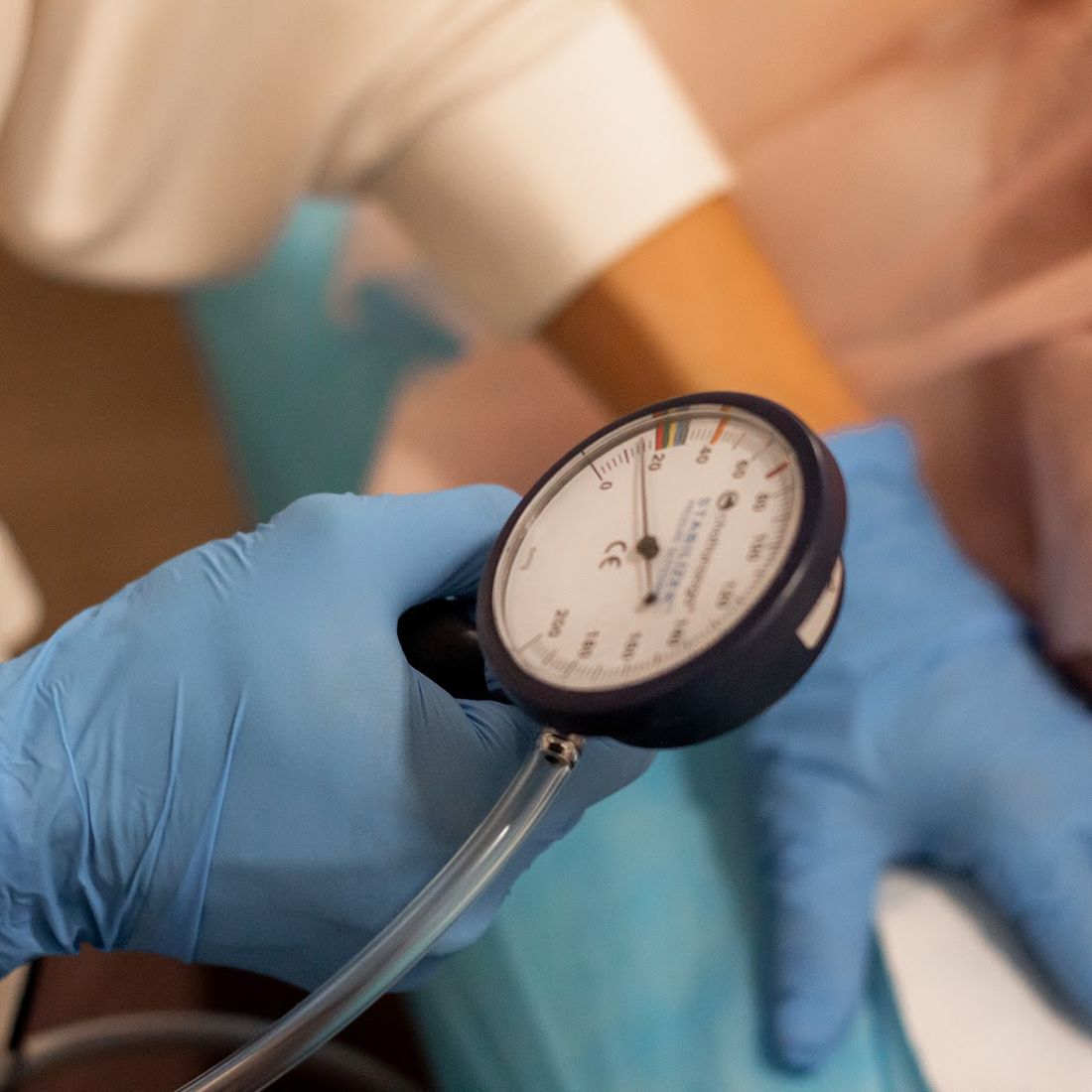
Kegel exercises and biofeedback, adapted to the stage you are at.
Once they have healed, we work on them to improve their mobility and reduce tension.
You learn how to get up, lift things, go to the bathroom without straining and brace for effort.
You regain activity in stages, with hypopressives and adapted movement.
Article content
After cancer surgery
Physiotherapy can also support you after gynecological cancer surgery or treatment, always in coordination with your medical team. We talk it through with you calmly and go at your pace.


What do we work on before and after pelvic surgery?
We adapt each stage to your surgery and your medical team’s instructions. Our aim is for you to regain confidence in your body and return to your activities safely.
Preparing the muscles before surgery.
Work on scars and adhesions.
Recovering strength and control.
Gradual return to activity.



Your journey at the clinic starts like this
STEP 1.
Initial assessment
All patients start with an initial one-to-one session.
- We analyze your case in depth.
- We carry out the necessary examination.
- We explain what is happening and why.
- We design a personalized treatment plan.
- All with no further commitment.
STEP 2.
STEP 3.
Follow-up and progress
Your process doesn’t end after one session. It evolves with you.
- We regularly reassess your progress.
- We adjust the plan when necessary.
- You can combine one-to-one and group sessions depending on your progress.


Frequently asked questions
If you’re asking yourself these questions, you’re not the only one. Here we answer them clearly.
When your medical team says so. It depends on the surgery and how you progress.
Yes. It helps you get to know your muscles and how to move afterwards.
Only once it has fully healed and you agree. We explain every step.
Your medical team decides. Then we plan a return in stages.
Yes. It’s never too late to work on a scar or regain strength.
It depends on each patient: your starting point, whether there is a deeper injury or condition, and how committed you are to the exercises at home. After the first session we decide on the right treatment. If you need individual follow-up, most people notice an improvement with a first pack of 5 sessions. From there, if you follow the guidelines at home, you may only need to come back for occasional check-ups. If there is a deeper injury, you may need to go beyond that first pack.