




Pelvic floor physiotherapy for athletes in Valencia
If you leak urine when you run or jump, you don’t have to give up your sport. We assess your pelvic floor and adapt your training so you can keep enjoying it.
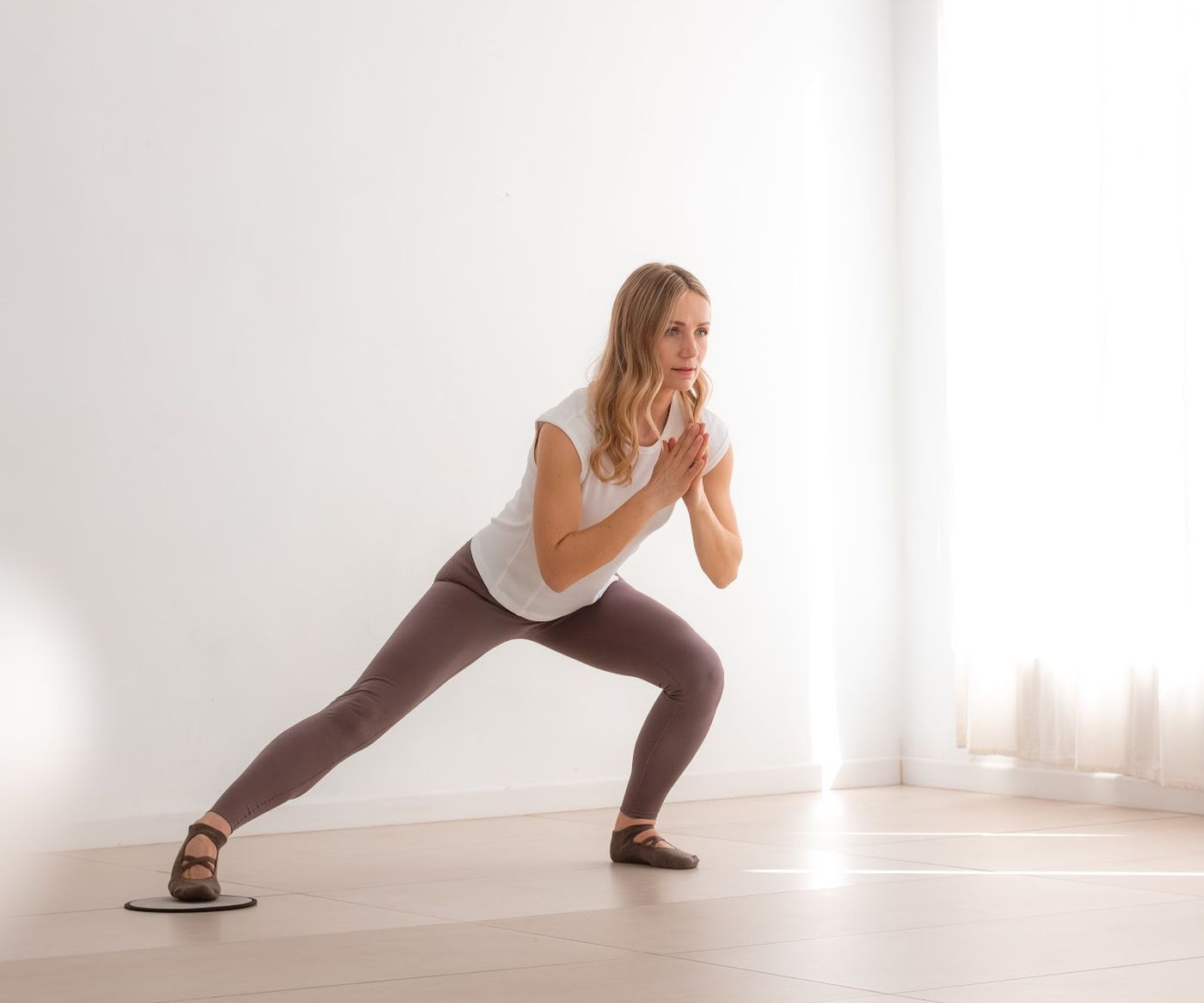



Article content
Sport and the pelvic floor
Exercise is essential for health. But every jump, stride or lift increases the pressure inside the abdomen, and that pressure reaches the pelvic floor.
Running, jumping, tennis, padel, CrossFit, aerobics or weightlifting put a lot of load on the area. If the muscles are not prepared, problems can appear, and this happens to very fit women too.
Warning signs
- Urine leakage when running, jumping or lifting weights.
- A feeling of heaviness in the vagina after training.
- Pelvic or lower back pain.
- Pain during sex, sometimes due to excess tension.

“It's not about giving up your sport, but about preparing your body for it”

How we work with athletes
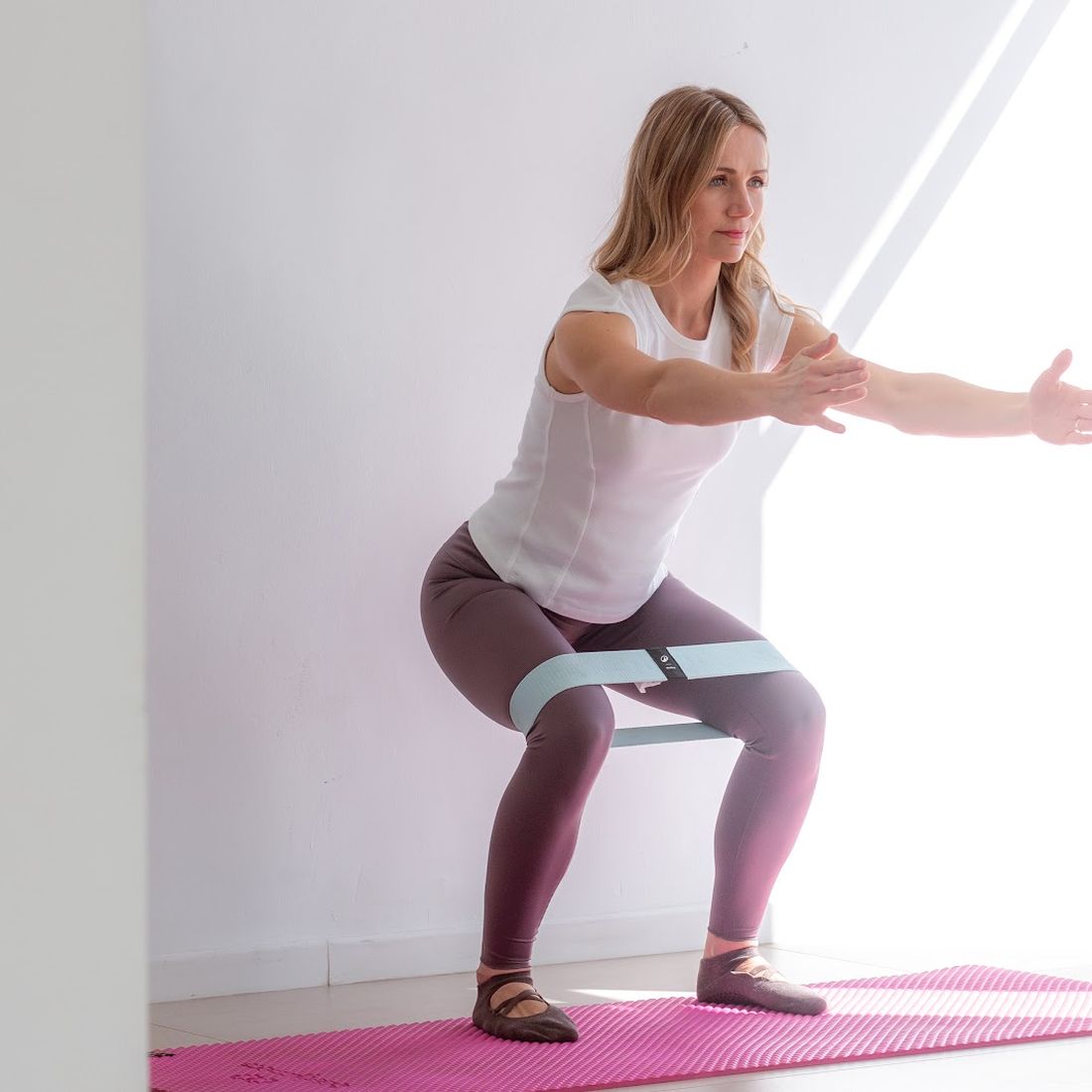
We check your pelvic floor, abdomen and posture, and talk about your sport and training load.
Not everyone needs the same thing. Some athletes have weakness and others have too much tension.
They help balance changes in abdominal pressure.
We review your breathing and movements when running, jumping or lifting, so you put less load on your perineum.
If needed, we adjust your training and plan your return to your normal pace.
Article content
Excess tension
Athletes who do ongoing high-impact training tend to have hypertonia. A pelvic floor that is too tense does not work well either, and can cause pain or leakage. That’s why it’s worth assessing it before doing more strength exercises.


What do we work on in physiotherapy for athletes?
We aim for your pelvic floor to respond well to the demands of your sport. We adapt the plan to your discipline, your calendar and your goals.
Strength, endurance or relaxation, depending on your case.
Technique and breathing while training.
Control of abdominal pressure.
Planning so you can keep doing your sport.



Your journey at the clinic starts like this
STEP 1.
Initial assessment
All patients start with an initial one-to-one session.
- We analyze your case in depth.
- We carry out the necessary examination.
- We explain what is happening and why.
- We design a personalized treatment plan.
- All with no further commitment.
STEP 2.
STEP 3.
Follow-up and progress
Your process doesn’t end after one session. It evolves with you.
- We regularly reassess your progress.
- We adjust the plan when necessary.
- You can combine one-to-one and group sessions depending on your progress.


Frequently asked questions
If you’re asking yourself these questions, you’re not the only one. Here we answer them clearly.
Not necessarily. It depends on your assessment. Often it’s enough to adjust the load while we work on it.
Having strong abs doesn’t mean your pelvic floor responds well to pressure. It’s more common than you might think.
No, they complement it.
Not always. First we need to assess whether you need strength, relaxation or coordination.
Yes. We adapt the work to your competition calendar.
It depends on each patient: your starting point, whether there is a deeper injury or condition, and how committed you are to the exercises at home. After the first session we decide on the right treatment. If you need individual follow-up, most people notice an improvement with a first pack of 5 sessions. From there, if you follow the guidelines at home, you may only need to come back for occasional check-ups. If there is a deeper injury, you may need to go beyond that first pack.